Scientists Identify the Rare 'Oddball' Space Rock That Wiped Out the Dinosaurs
By reading nickel isotopes trapped in the impact debris, researchers pinned the Chicxulub catastrophe on a primitive class of meteorite that rarely reaches Earth.
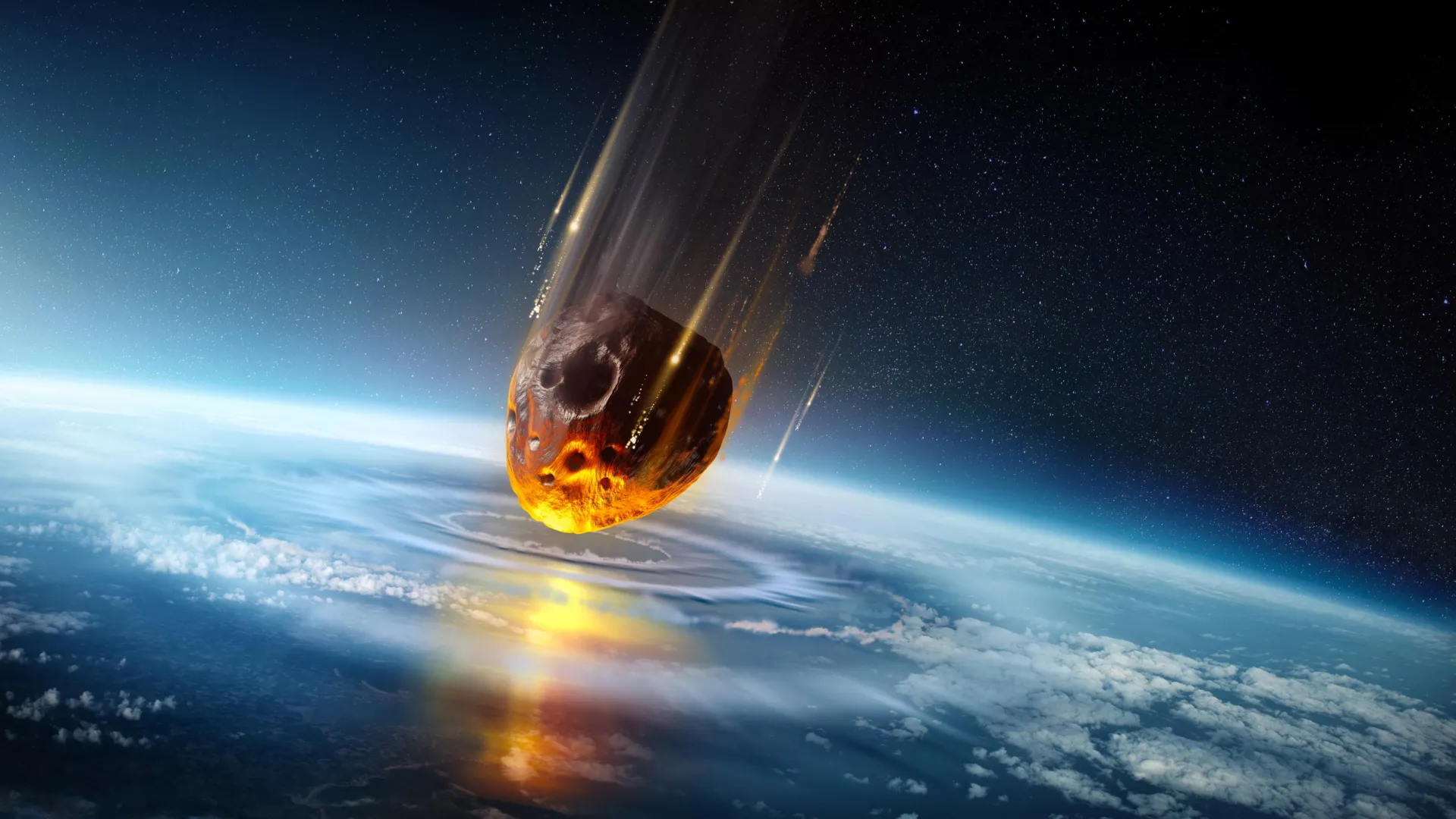
The asteroid that ended the age of the dinosaurs 66 million years ago belonged to a rare and primitive class of space rock that almost never reaches Earth, scientists have concluded—finally putting a specific name to one of the most consequential impacts in the planet's history.
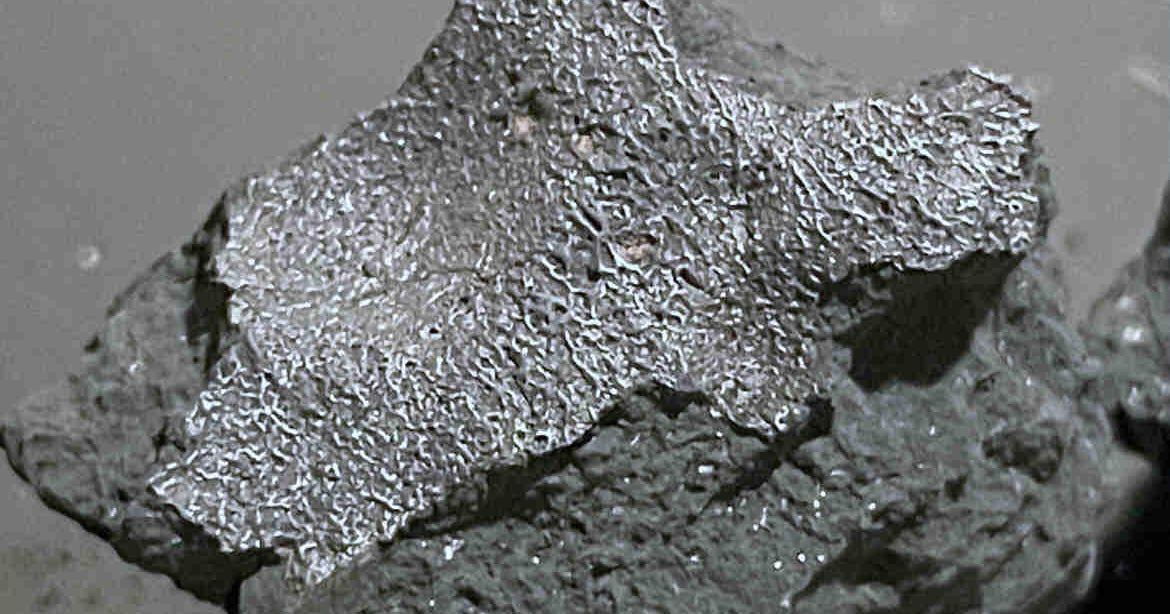
In a study published in the journal Science Advances, researchers from the University of British Columbia and institutions in Paris, Brussels and Vienna analyzed nickel isotopes preserved in the geological layer left behind by the Cretaceous-Paleogene impact. The chemical fingerprint pointed to a CO chondrite—a carbonaceous chondrite of the Ornans class—rather than the more common types of meteorite that pepper the planet today.
CO chondrites are considered some of the most pristine leftovers from the birth of the solar system, containing far lower amounts of volatile elements such as carbon, zinc, water and especially sulfur than other meteorite classes. They make up only a tiny fraction of the carbonaceous chondrites recovered on Earth, which is part of why identifying the culprit has taken so long.
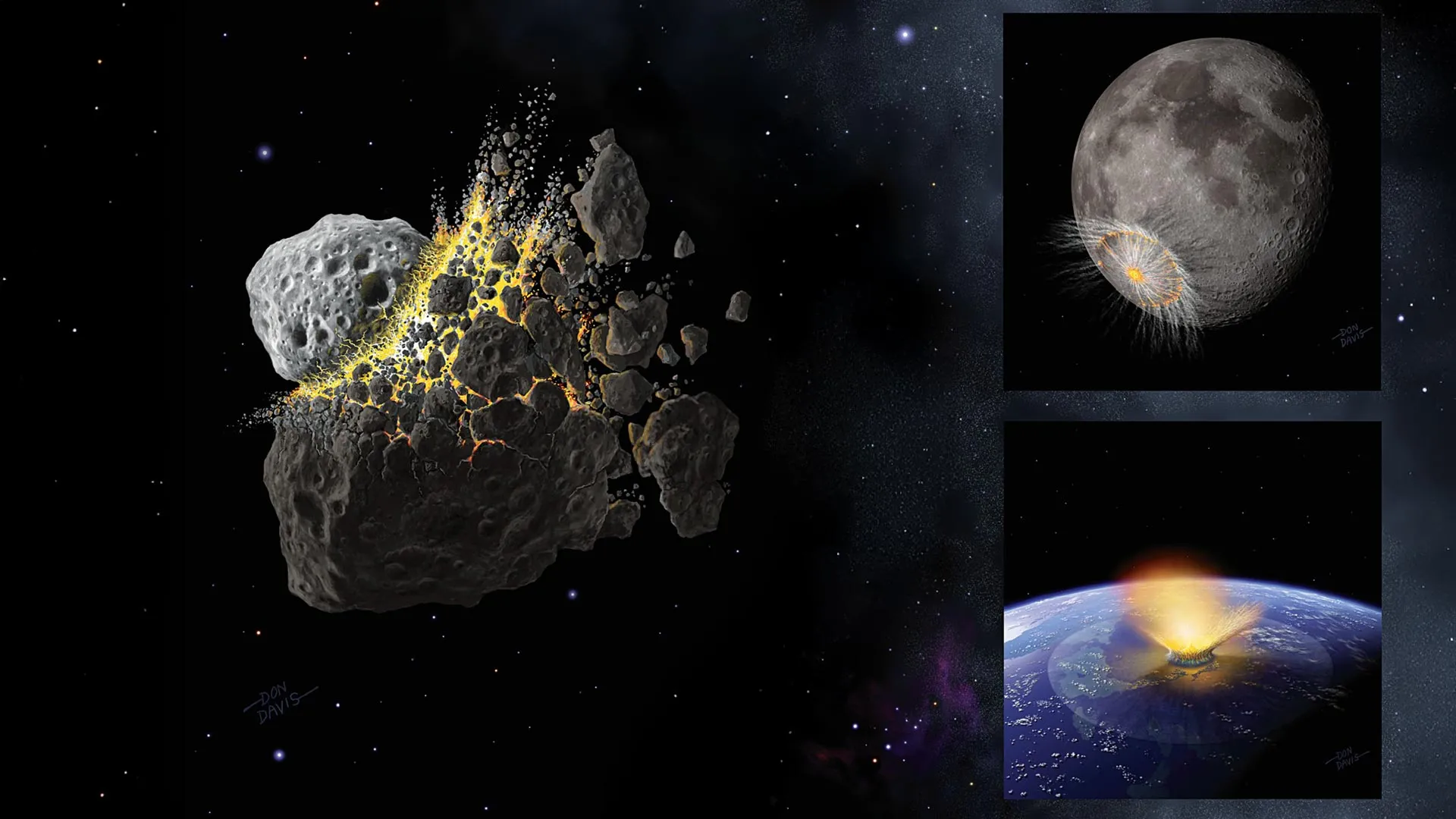
The impactor itself was a monster. Scientists estimate it measured between 10 and 15 kilometers across—roughly six to nine miles—and slammed into what is now the Yucatan Peninsula at around 64,000 kilometers per hour, blasting out the 180-kilometer-wide Chicxulub crater. The collision triggered wildfires, tsunamis and a years-long global winter that ultimately wiped out about 75 percent of all species, including every non-avian dinosaur.
Pinning down the exact type of the impactor does more than settle a scientific curiosity. It helps researchers reconstruct where in the solar system the object originated and how such bodies travel through space—knowledge that feeds directly into modern efforts to catalog and, if necessary, deflect asteroids that could one day threaten Earth. In identifying the "oddball" rock that reshaped life on the planet, scientists have also sharpened the tools they use to watch the skies for the next one.
The nickel-isotope technique at the heart of the study is a relatively new tool that lets scientists match debris left at an impact site to specific families of meteorites, much as a forensic investigator matches a fragment to its source. Earlier work had suggested the Chicxulub object came from the outer solar system, beyond the orbit of Jupiter, and the new identification of a carbonaceous CO chondrite is consistent with that distant, primitive origin. Researchers say that understanding both the composition and the trajectory of the ancient killer is more than an academic exercise: with hundreds of near-Earth objects still being discovered each year, every clue about how a catastrophic impactor forms and moves improves humanity's odds of spotting—and someday steering away—a future threat before it arrives.