New Helium Isotope Dating Shows Marine Plankton Began Evolving Into New Species Just 2,000 Years After the Asteroid That Killed the Dinosaurs
A UT Austin study using helium-3 to refine ancient sediment timelines reveals that biological recovery from the Chicxulub impact was orders of magnitude faster than previously estimated.
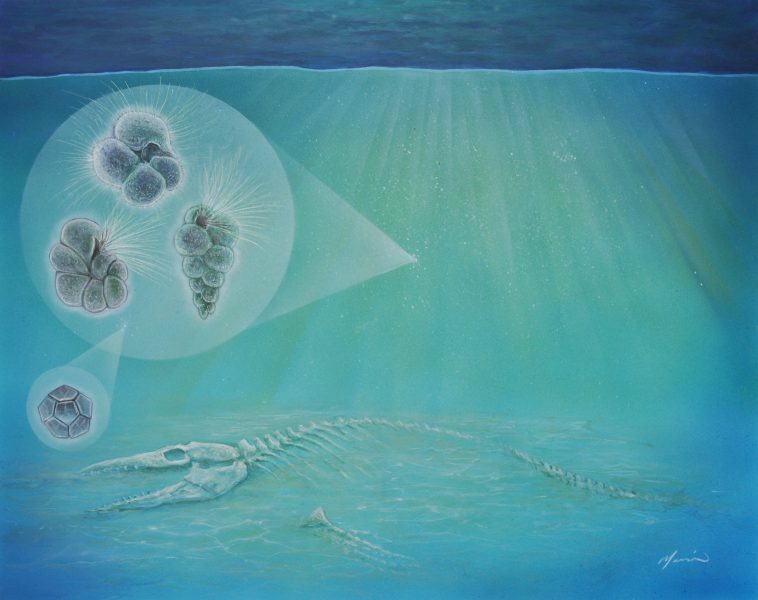
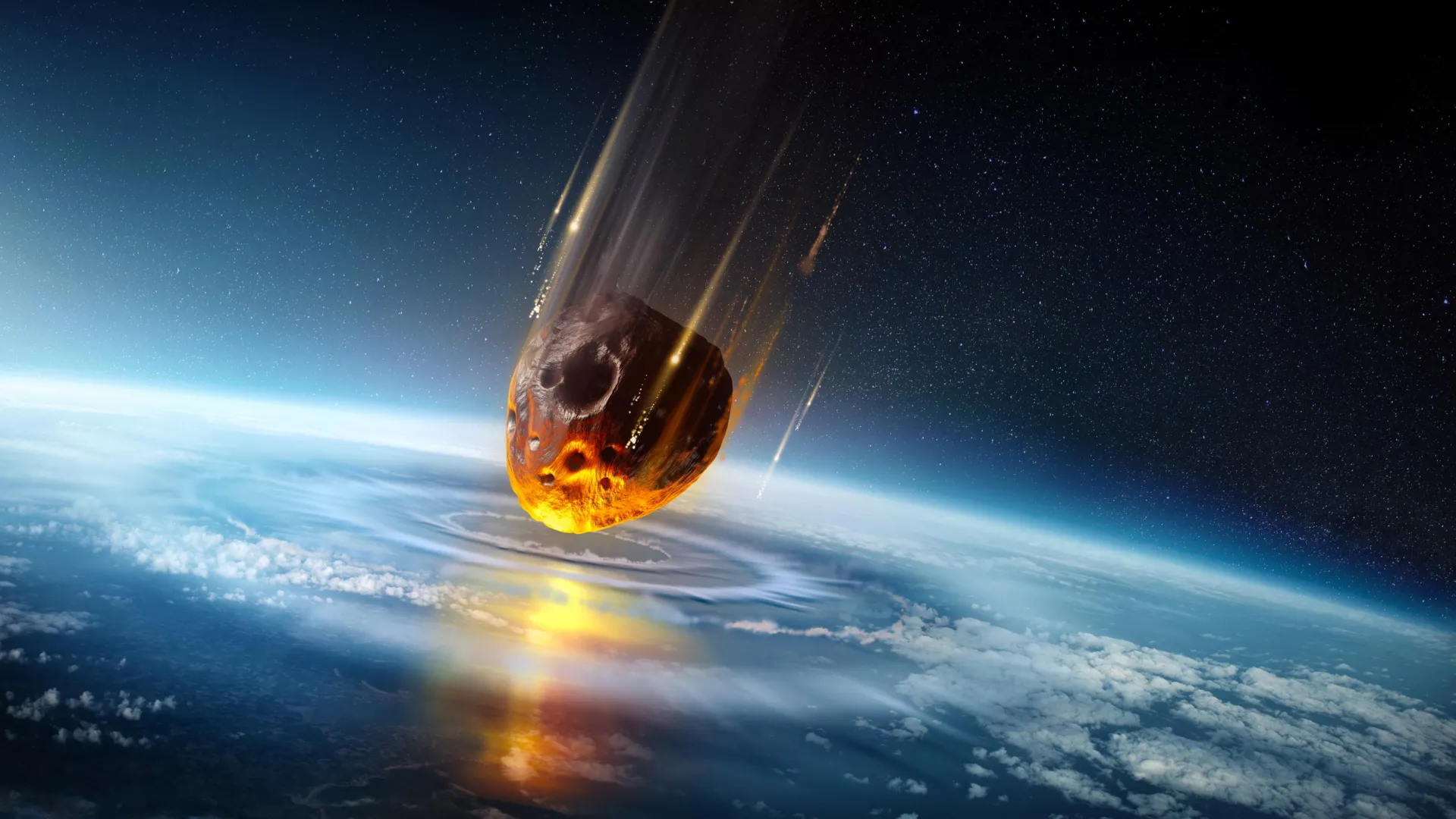
Life rebounded from the catastrophic Chicxulub asteroid impact of 66 million years ago far faster than scientists previously believed, with new research from the University of Texas at Austin showing that microscopic marine plankton evolved into entirely new species within as little as 2,000 years — an almost incomprehensible pace by evolutionary standards that researchers are calling 'lightning-fast.'
The study, published in the journal Geology, used a novel isotope-based dating technique to establish far more precise timelines for the aftermath of the impact, which wiped out the non-avian dinosaurs and roughly three-quarters of all species on Earth. The key species the researchers tracked, Parvularugoglobigerina eugubina, is a type of foraminifera — a class of single-celled marine organism — that emerged as one of the very first signs of biological recovery after the mass extinction event. The team found that this species and other early foraminifera appeared between 3,500 and 11,000 years after impact, depending on the location. In total, between 10 and 20 new foraminifera species diversified within approximately 6,000 years.
To get these more precise estimates, the team — led by researchers Chris Lowery and colleagues at the UT Austin Jackson School of Geosciences — turned to helium-3, a rare isotope that accumulates in deep ocean sediments at a predictable, constant rate as it falls from space. Previous calculations of post-impact recovery timescales had assumed that sediment accumulated at a steady pace before and after the extinction. But the mass die-off of marine plankton, combined with sharply increased land erosion following the disaster, dramatically changed how fast sediment piled up. Those flawed assumptions had led earlier researchers to dramatically overestimate how long recovery took.
'It's ridiculously fast,' Lowery said in a statement. 'Normally the formation of new species takes place over millions of years. This is several orders of magnitude faster.' The team used helium-3 data gathered from six K/Pg boundary sites across Europe, North Africa, and the Gulf of Mexico, cross-checking their estimates across locations to confirm the findings held up consistently across the global ocean. The results suggest that in the immediate aftermath of the impact — when sunlight was blocked by debris and global temperatures plunged — certain surviving microorganisms moved into newly empty ecological niches with extraordinary speed.
The findings have implications beyond simply understanding one of the worst mass extinctions in Earth's history. Scientists studying the resilience of life to extreme events, including the pace at which ecosystems might recover from potential future catastrophes — natural or human-caused — say research like this reshapes assumptions about evolution's outer speed limits. The Chicxulub impact event has long served as a template for thinking about extinction and recovery, and every refinement to our understanding of its timeline adds nuance to the picture. 'This research helps us understand just how quickly new species can evolve after extreme events,' Lowery said.