Saturn's Twisted Magnetic Field Finally Explained by Rapid Spin and Moon Enceladus
Six years of Cassini data reveals why the gas giant's magnetic shield is skewed compared to Earth's symmetrical field.
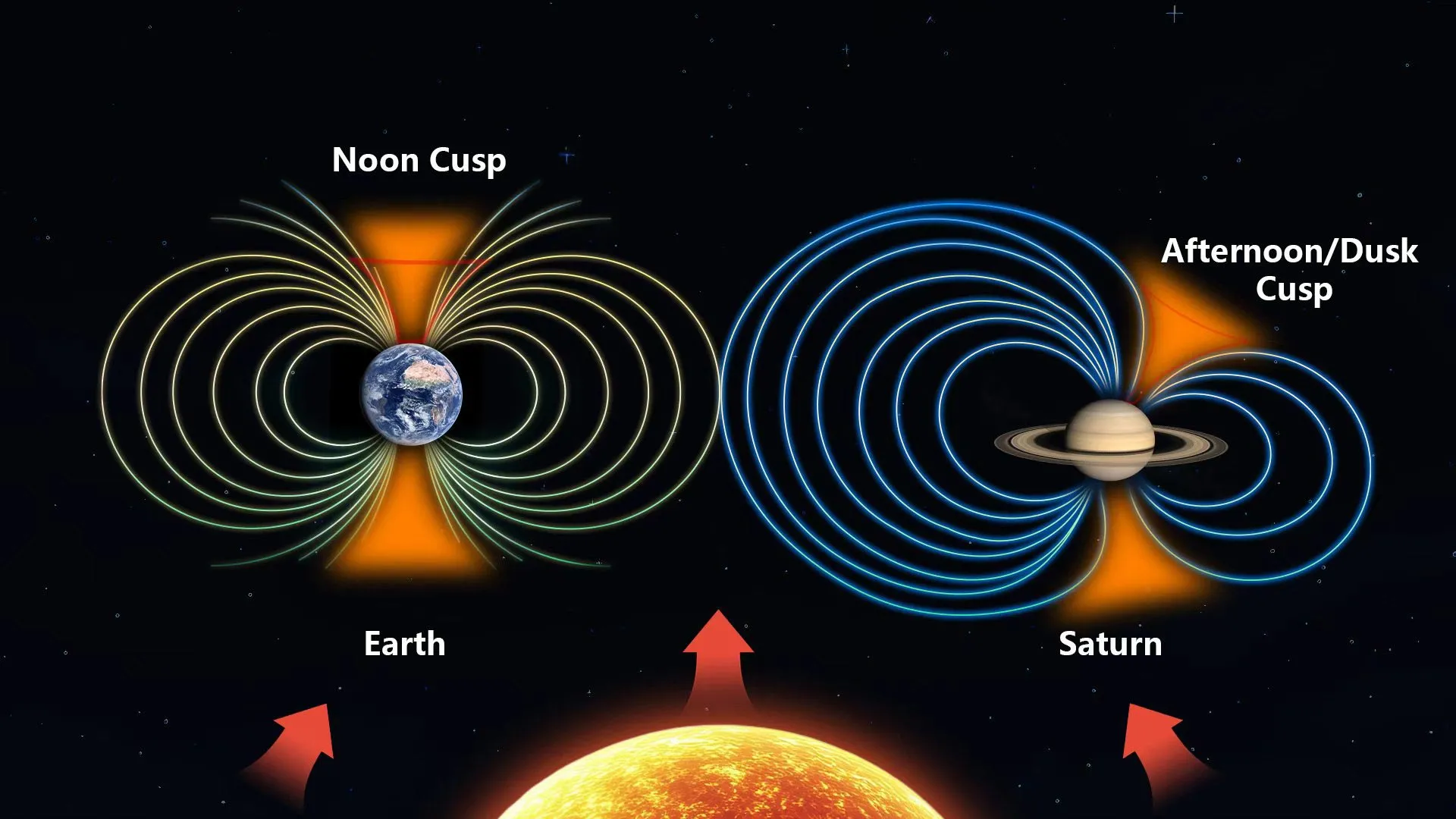
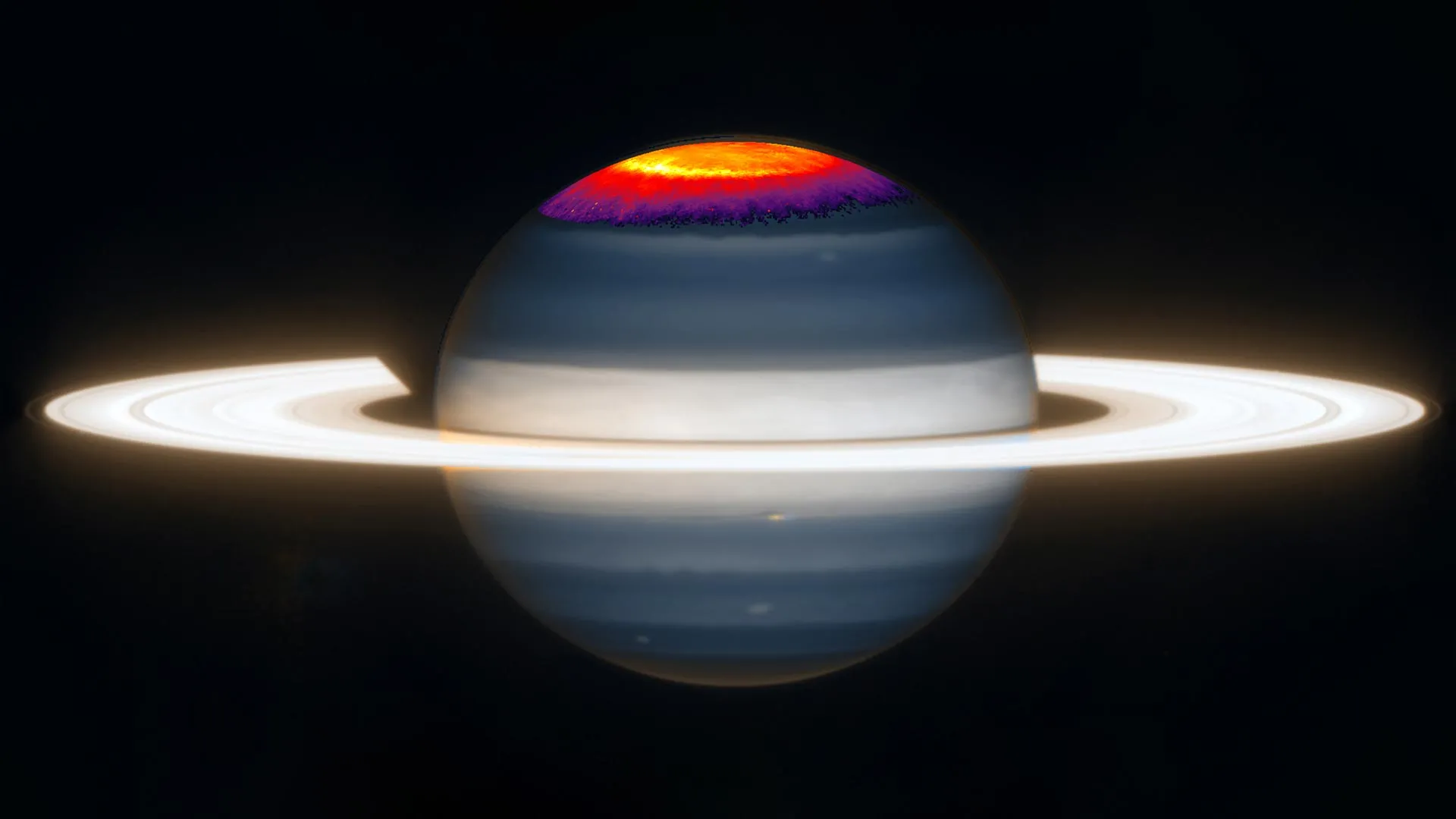
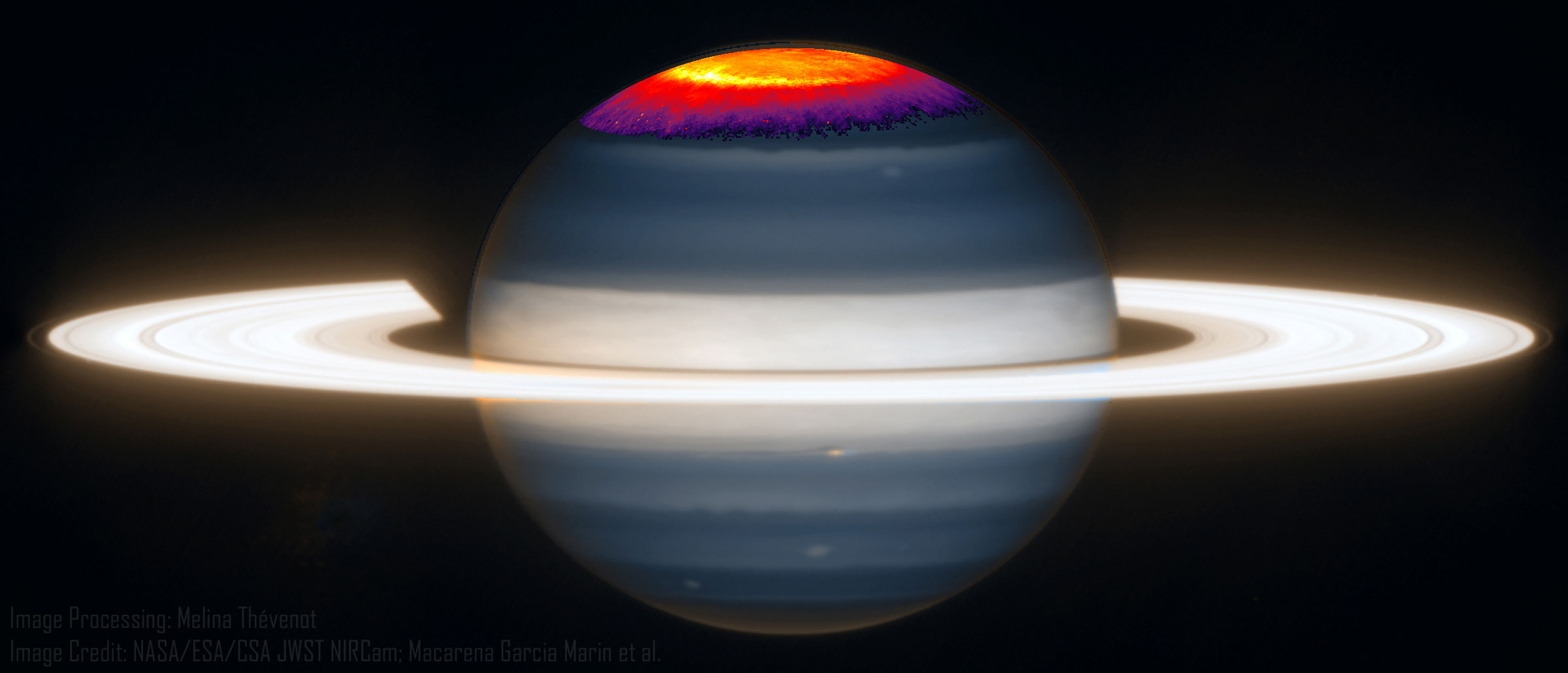
Saturn's magnetic field forms an uneven, asymmetrical bubble unlike Earth's balanced protective shield, and scientists now understand why this distortion occurs. New research based on six years of observations from NASA's Cassini spacecraft reveals that Saturn's exceptionally rapid rotation, combined with dense plasma from its moons, consistently shifts the planet's magnetic cusp—the region where solar particles can penetrate the atmosphere. The discovery provides crucial insights into how massive, fast-spinning planets with active moons develop fundamentally different magnetic environments than Earth.
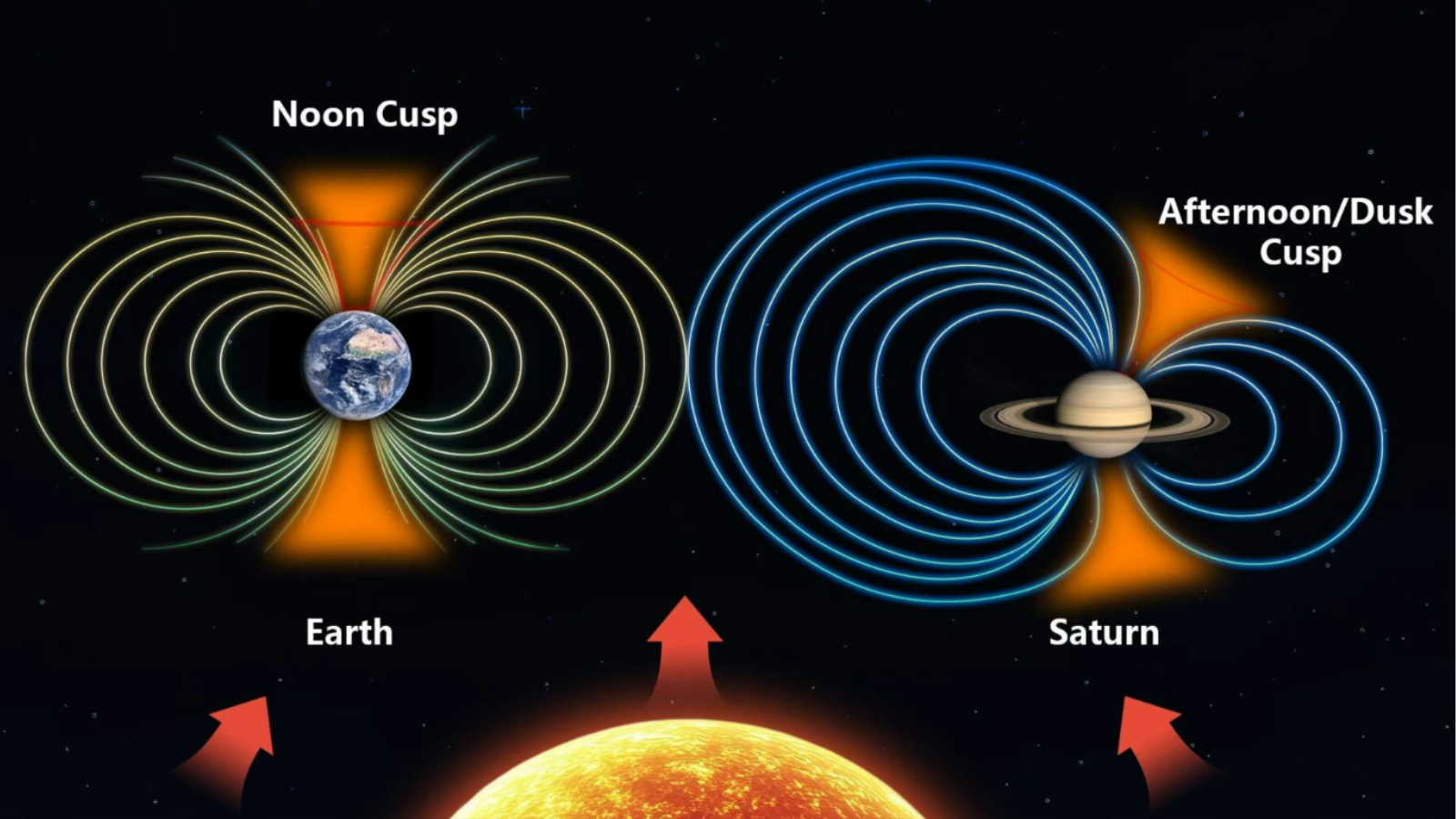
The research team from University College London and international collaborators focused on identifying the precise location of Saturn's magnetic cusp by analyzing Cassini data. Unlike Earth's cusp, which sits directly between the planet and the Sun like a 12 o'clock position on a clock face, Saturn's cusp consistently appears offset to the right, typically positioned between 1:00 and 3:00. This displacement represents a significant deviation from the symmetrical magnetic field structure that scientists observe around Earth and other planets with simpler magnetic environments.
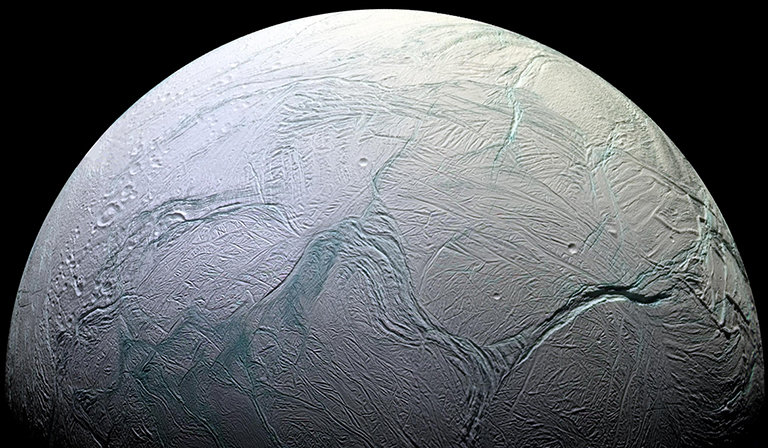
Two key factors drive this unusual configuration: Saturn's extraordinarily fast rotation period of just 10.7 hours and the dense "soup" of ionized gas that surrounds the planet. Much of this plasma originates from Saturn's moons, particularly Enceladus, which continuously ejects icy material from its subsurface ocean. The rapid spin combined with this heavy plasma environment appears to drag the magnetic field lines sideways, creating the observed asymmetry that distinguishes Saturn from other planetary magnetic systems.
The findings have particular significance for upcoming missions to Saturn and its potentially habitable moon Enceladus. Professor Andrew Coates from UCL's Mullard Space Science Laboratory emphasized that understanding Saturn's magnetic cusp location is crucial for mapping the entire magnetic bubble that protects the Saturn system. "Knowing where the solar wind can slip directly into the magnetosphere helps us better understand and map the whole magnetic environment," Coates explained, noting the importance for planned European Space Agency missions in the 2040s.
This research provides critical evidence for a long-held theory about rapidly spinning gas giants with active moon systems. The study suggests that Saturn's magnetosphere, along with similar planets like Jupiter, operates under fundamentally different principles than Earth's magnetic field. Rather than being shaped primarily by solar wind interactions, these massive planets' magnetic environments are dominated by their rapid rotation and the continuous injection of material from their moons, creating unique magnetic signatures that reflect the complex dynamics of these planetary systems.