Cold Atoms in a Laser Trap Mimic Matter and Antimatter Springing From Empty Space
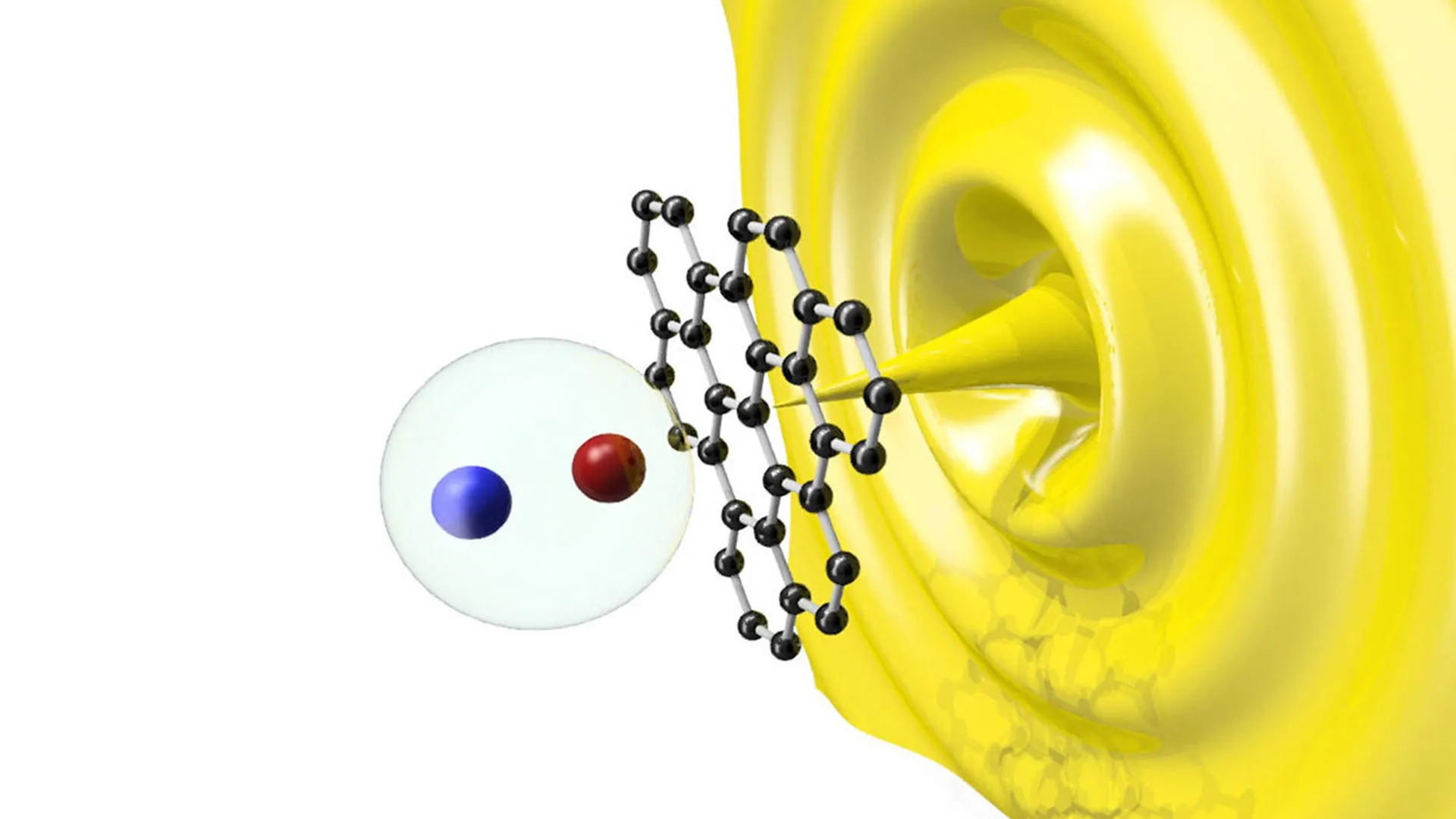
A Chinese team used rubidium atoms in an optical lattice to simulate the Schwinger effect, a decades-old prediction that no laboratory has directly observed.
Topic
15 stories from Planck Standard. Latest: November 1, 2026.

A Chinese team used rubidium atoms in an optical lattice to simulate the Schwinger effect, a decades-old prediction that no laboratory has directly observed.


A Southampton and IIT Kanpur team argues a long-ignored 'decoupled' heavy neutrino could have briefly dominated the early universe and shaped the matter-antimatter imbalance.

The 'one-positron quantum cyclotron,' cooled to 0.3 kelvin, sets up the most precise test yet of whether electrons and their antimatter twins truly mirror each other.

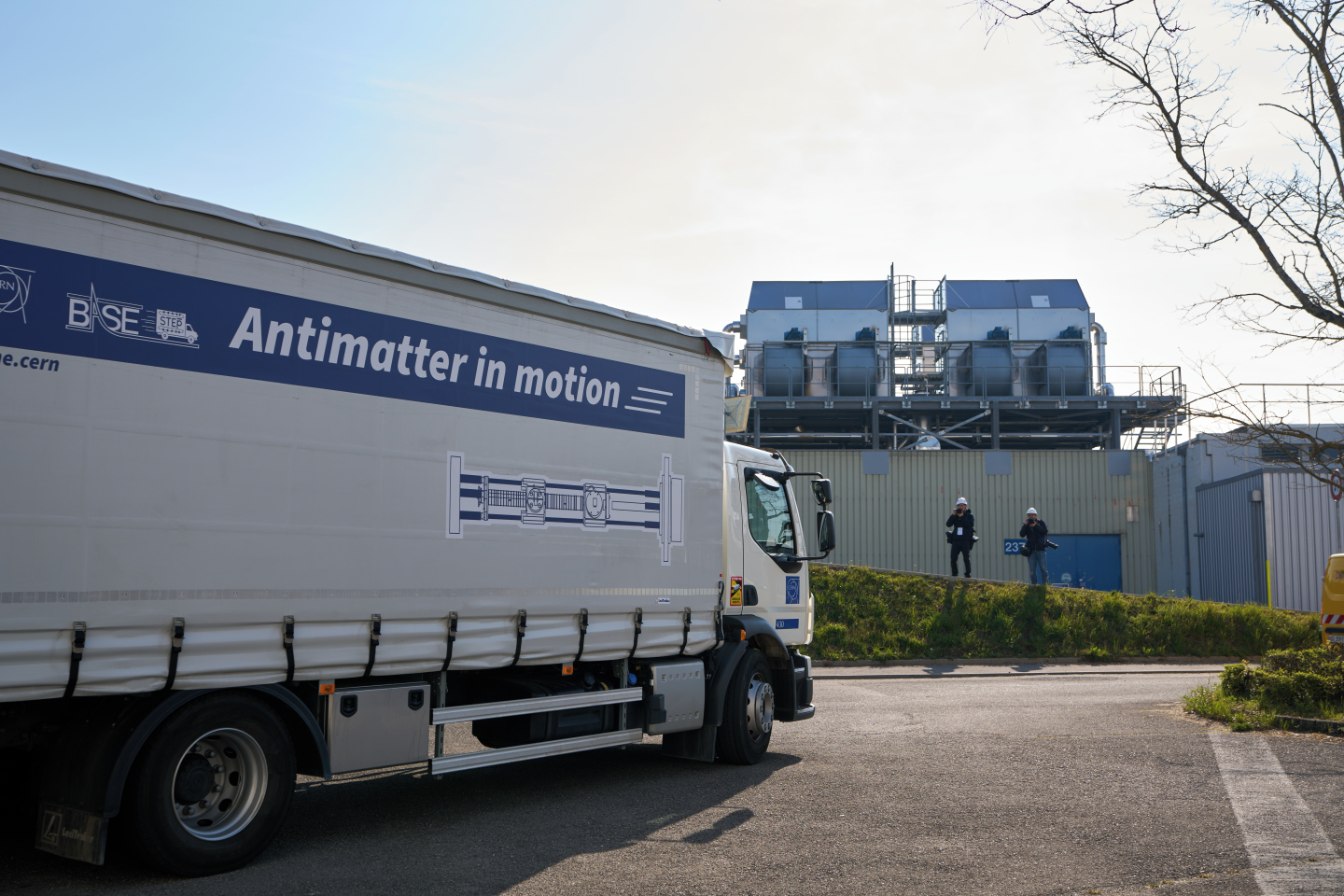
The Nature paper published Wednesday describes the March road test and the next goal: a 10-hour trip from Geneva to Düsseldorf, where a magnetically quiet lab could compare protons and antiprotons 100 times more precisely than CERN can.

BESIII used quantum entanglement between 3 million particle-antiparticle pairs to reach the 10⁻¹⁹ e·cm level for the first time. A nonzero result would have pointed straight past the Standard Model.

Scientists demonstrate wave-particle duality in positronium, opening new frontiers for antimatter research and potential gravity tests never before possible.

Scientists observe wave-like interference in positronium for the first time, opening new frontiers in antimatter research and gravity studies.

Researchers achieve breakthrough by demonstrating wave-particle duality in positronium, exotic matter made of electron-positron pairs.

Scientists observe wave-particle duality in exotic positronium for the first time, opening new paths for antimatter research and fundamental physics tests.

Scientists observe wave-particle duality in positronium for the first time, opening new frontier for antimatter research and gravity tests.

Researchers achieve first-ever wave interference in positronium, opening new possibilities for antimatter experiments and gravity tests.

Researchers observed wave-like interference in positronium for the first time, strengthening quantum mechanics while opening new paths for antimatter gravity experiments.

Researchers capture wave-particle duality in positronium, strengthening quantum mechanics while opening new antimatter research possibilities.

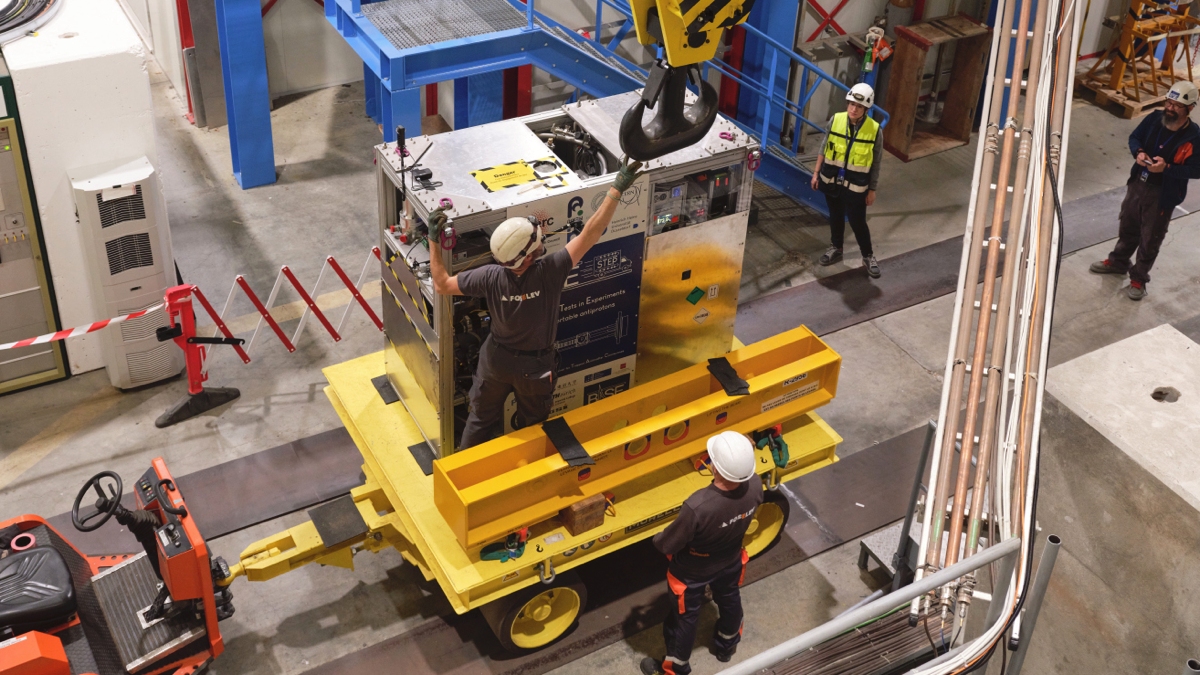
A CERN team trapped 92 antiprotons in a magnetic trap and drove them around the CERN campus in a truck for 30 minutes — a feat once thought impossible — marking a turning point in the quest to understand why matter dominates our universe.

Scientists at the BASE experiment loaded antiprotons into a portable cryogenic trap and drove them across the CERN campus on March 24, completing a milestone that opens the door to conducting antimatter experiments far from any particle accelerator.