
Physics
LIGO Data Hint That Many Black Holes Were Born When Stars Died Without a Bang
A Caltech-led study of 257 black hole mergers finds a spike at 10 solar masses and a gap at 12 to 16, matching what 'failed supernova' theories predict.
Topic
13 stories from Planck Standard. Latest: November 12, 2026.
A Caltech-led study of 257 black hole mergers finds a spike at 10 solar masses and a gap at 12 to 16, matching what 'failed supernova' theories predict.
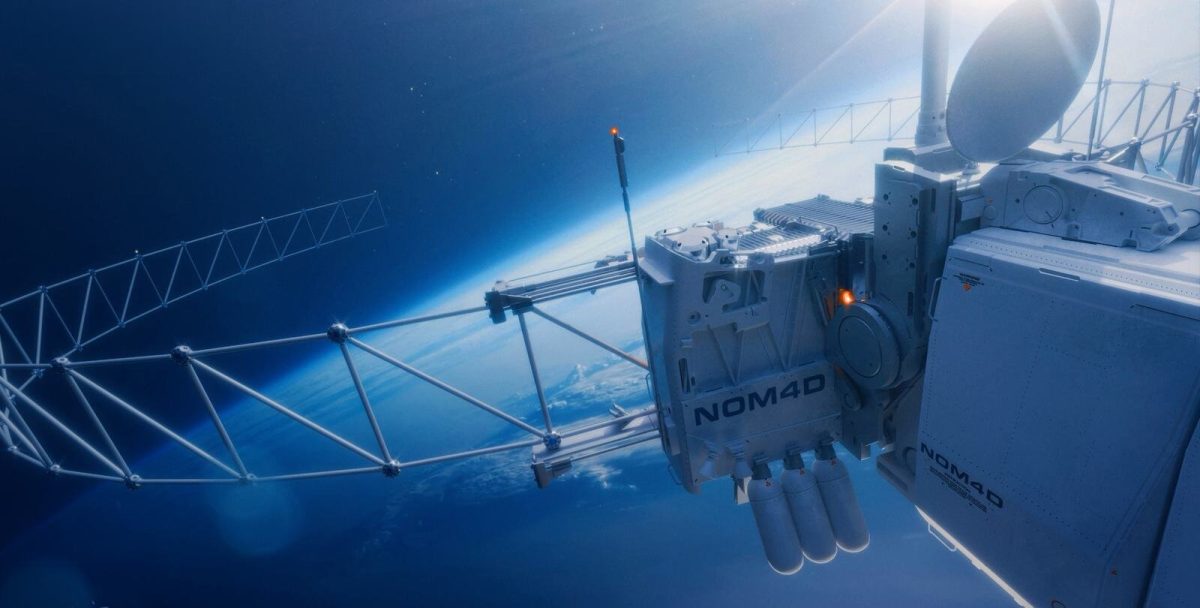
The ASTRA system, funded by DARPA, has spent six months in orbit building a 1.4-meter antenna reflector from tubes and joints without astronauts.
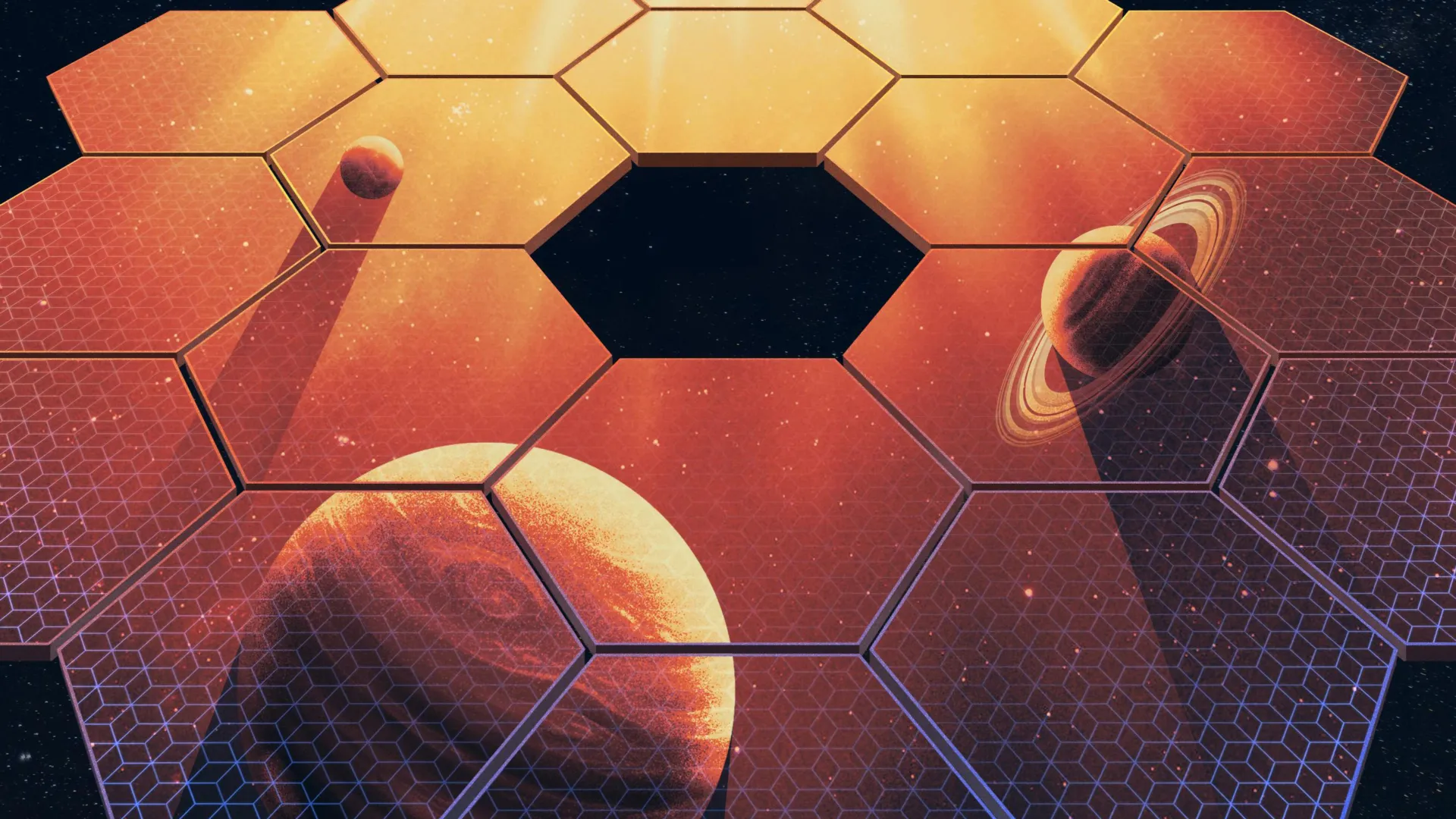
A Caltech and Northwestern team built a physics-based model of Webb's camera that boosts planet-detection sensitivity two to 15 times and uncovered a world sitting unnoticed in archived data.
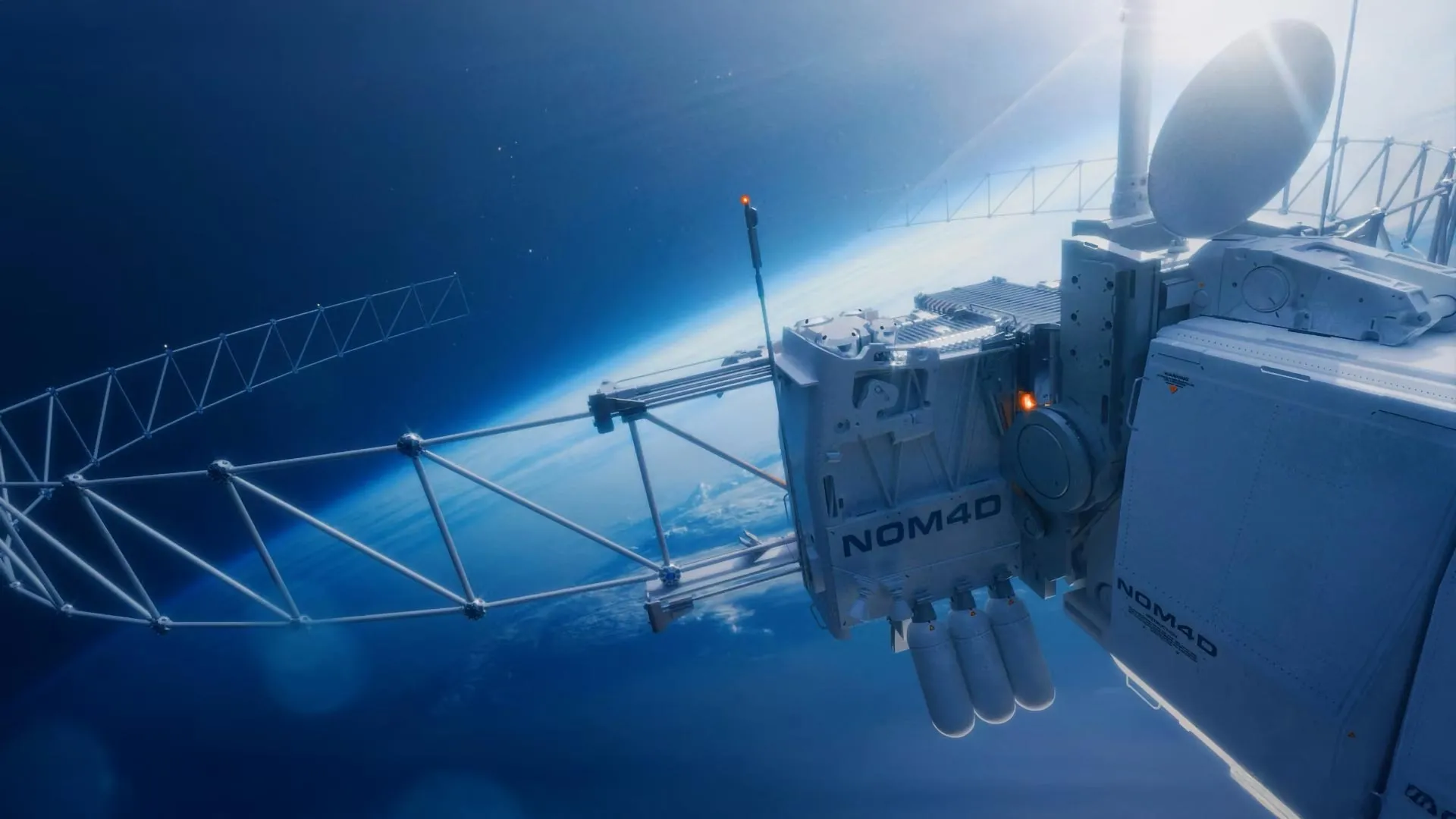
The ASTRA experiment, riding on a small satellite, has added a third truss bay to a planned 1.4-meter reflector antenna in a step toward kilometer-scale structures in space.

New simulations show the Sun shedding its outer layers in bursts could destabilize Jupiter, Saturn, Uranus and Neptune far sooner than the quintillion years once assumed.

Mid-circuit measurements cut the depth needed to prepare colliding particles, and a heavy particle appeared in the simulated energy density in a Nature Physics paper.
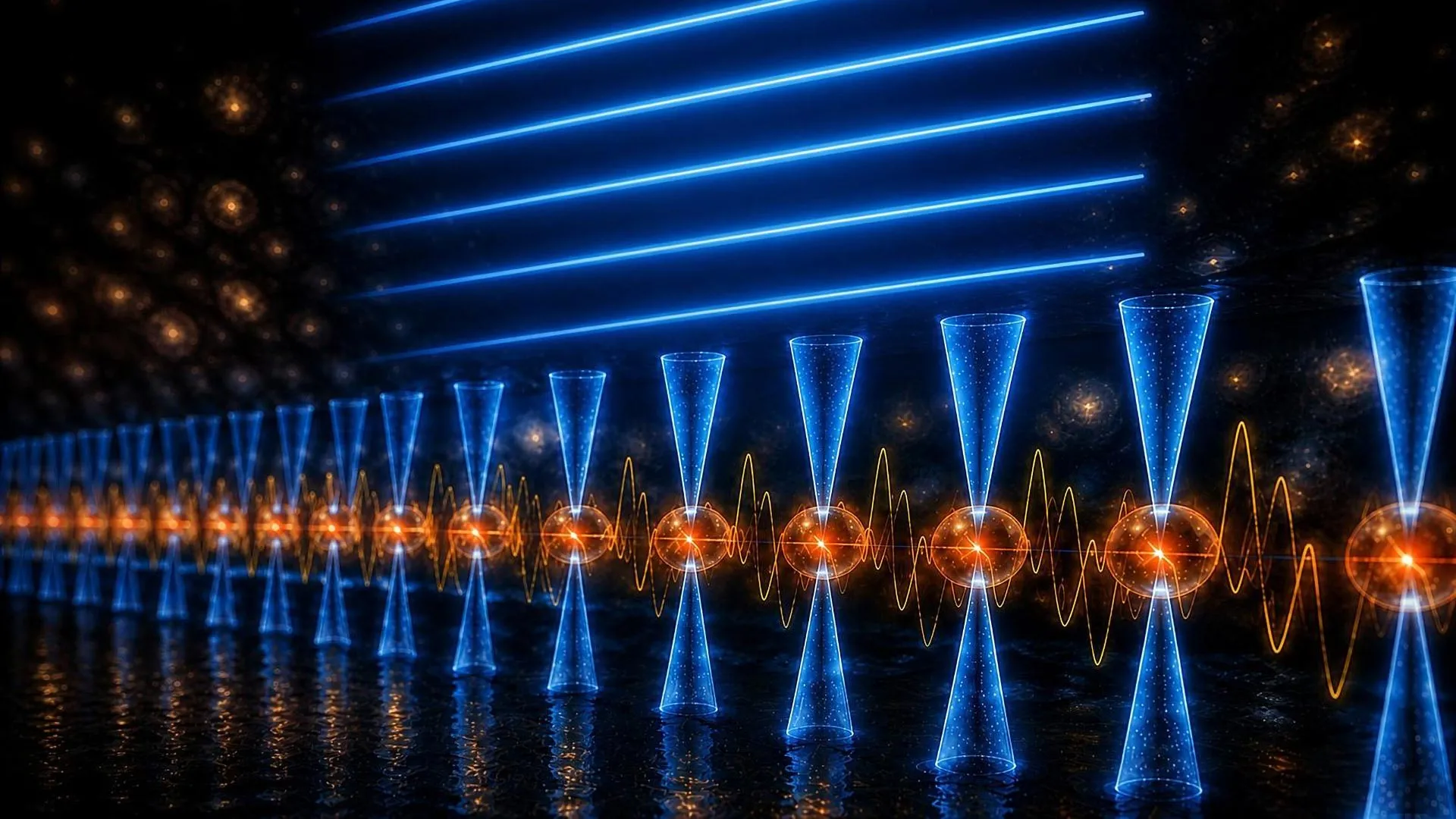
Using laser-trapped strontium atoms as a quantum simulator, the team directly measured energy levels in two theories describing matter at a tipping point.

VT J1906+0849 is the brightest transient in the entire VLA Sky Survey. Its brightness temperature is up to 10 billion kelvin, gas near it moves at thousands of kilometers per second, and it flared again in late 2025. Nothing in the catalog of known galactic sources fits.

The trick was routing one half of an entangled pair through the lenses three times instead of once. Lihong Wang's group had been stuck at 1.8× since 2023.

A Caltech astrophysicist calculates that lopsided eruptions from bloated, dying sun-like stars act like thousands of tiny rocket thrusts, nudging the stars to speeds of about a kilometer per second.
Physicists discover that starting with basic particle collision principles, the mathematics spontaneously produces string theory signatures without assuming strings exist.
Researchers using bootstrap approach discover string theory signatures without assuming strings existed from the start.

A new error-correction architecture developed with startup Oratomic could accelerate fault-tolerant quantum computing by a decade.