NASA's Europa Clipper Will Skim Past Earth Dec. 3 on Its Way to Jupiter
The spacecraft will use our planet's gravity to gain speed and will switch on all nine science instruments in a rehearsal for its hunt for a habitable ocean on the moon Europa.

NASA's Europa Clipper is about to pay Earth a visit. On Thursday, Dec. 3, the spacecraft will sweep within about 1,950 to 2,133 miles (3,140 to 3,450 kilometers) of the planet, borrowing some of its orbital momentum for the long final leg to Jupiter.
Closest approach is expected west of Africa at 3:14 p.m. EST. Skywatchers near the flight path, notably in southern Europe and Africa, may be able to spot the probe with relatively large hobby telescopes, according to NASA's Jet Propulsion Laboratory.
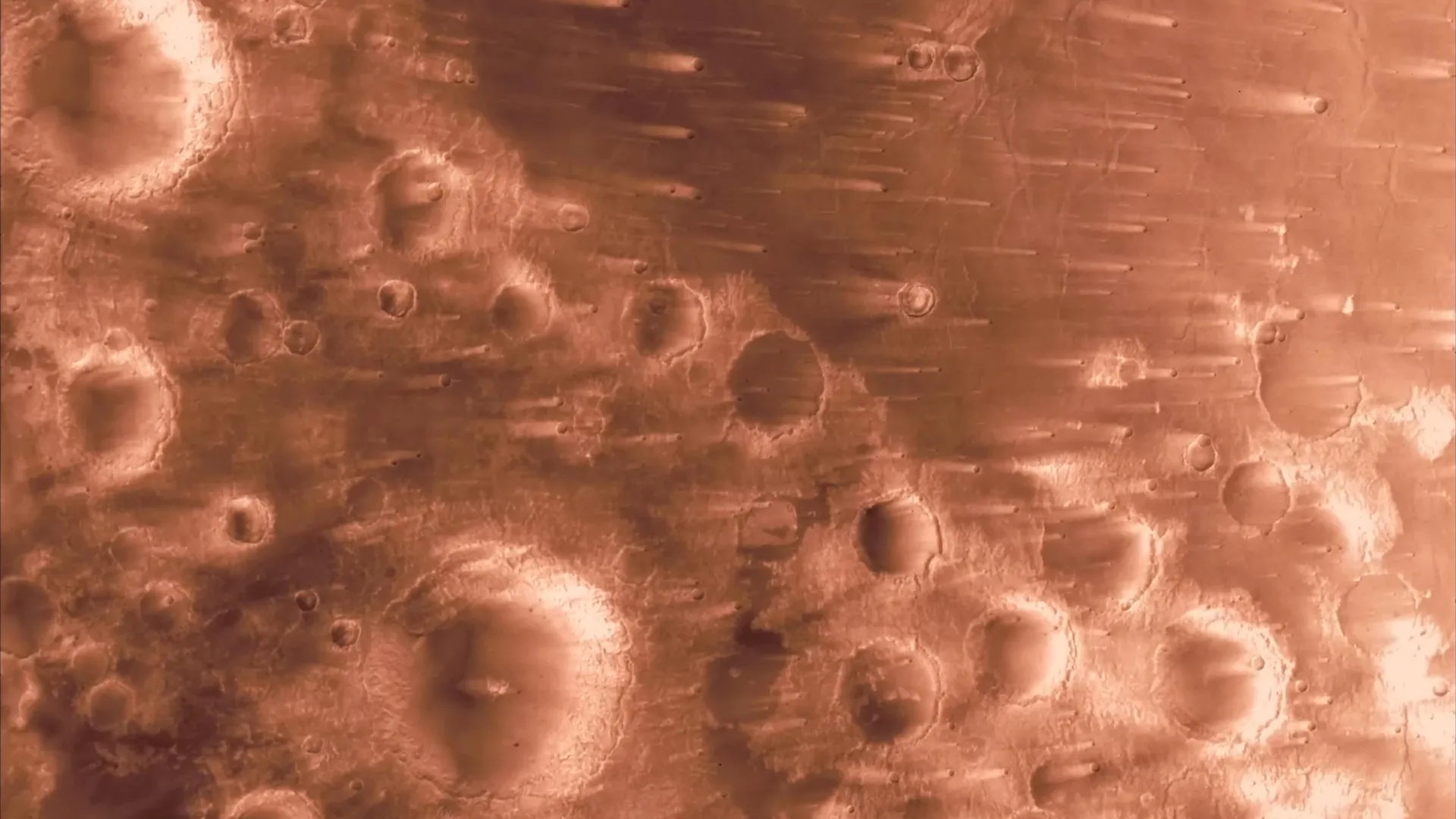
The maneuver, known as a gravity assist, changes a spacecraft's speed and direction without burning much fuel. Europa Clipper, which weighs about 12,800 pounds (6,000 kilograms) and is the largest spacecraft NASA has launched into deep space, performed a similar pass in March 2025, flying 550 miles above Mars to slow down and reshape its orbit around the sun. This time the goal is to speed up. "We're coming down into the gravity well of Earth, following its curve, and shooting out again," said project scientist Robert Pappalardo. The spacecraft will leave with a slightly changed path and moving faster than before.
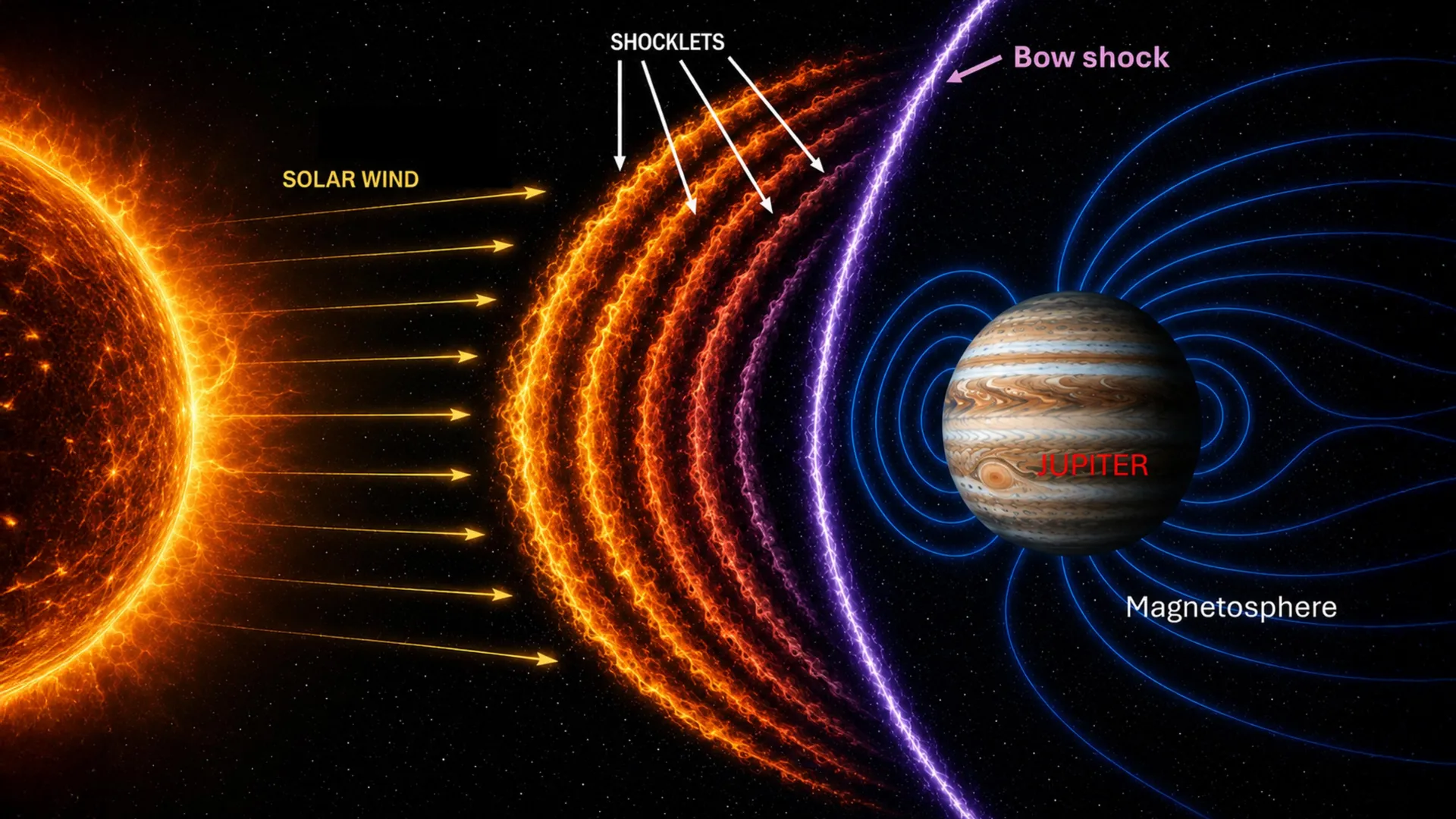
The flyby is also a full-scale rehearsal. All nine science instruments will be switched on and collecting data, and teams will compare the results with what is already well known about Earth to fine-tune them. That is especially important for the magnetometer, which will eventually measure how Jupiter's magnetic field interacts with Europa and help confirm whether a vast ocean lies beneath the moon's icy shell. "The flyby will enable us to calibrate the instrument absolutely," Pappalardo said.
A thermal camera called E-THEMIS will scan Earth every eight hours during the approach. At Europa, it will search for warm regions that could show where water sits closest to the surface or may even have erupted onto it. An ultraviolet spectrograph, designed to study the moon's thin atmosphere and surface, will work alongside an instrument on NASA's Lunar Reconnaissance Orbiter, which will turn toward Earth to examine the geocorona, the faint outermost layer of the atmosphere, and how atoms escape from it.
"Europa has its own type of atmospheric corona composed of escaping hydrogen and other atoms," said Kurt Retherford of the Southwest Research Institute, who leads work on several of those ultraviolet instruments. He called the multi-spacecraft observations of Earth a good test run for doing the same at Jupiter.
The team is practicing its operations as much as its measurements. "The things we practice now will set us up for success at Europa," said project staff scientist Erin Leonard. "This is Earth, and everyone understands what that data means. Imagine what it's going to be able to show you about Europa."
Europa Clipper is due to begin orbiting Jupiter in April 2030, using the gravity of another large moon, Ganymede, to slow down enough to be captured. Across repeated flybys of Europa, it will measure the thickness of the ice, analyze the moon's composition and map its geology to help determine whether the hidden ocean has the ingredients needed for life.