UN Warns Hunger Will Deepen in 16 Global Hotspots Over Next Six Months
Sudan, South Sudan, Somalia, northern Nigeria and Yemen face the gravest risk, U.N. food agencies say, as war, soaring fuel costs, El Niño drought and aid cuts converge.
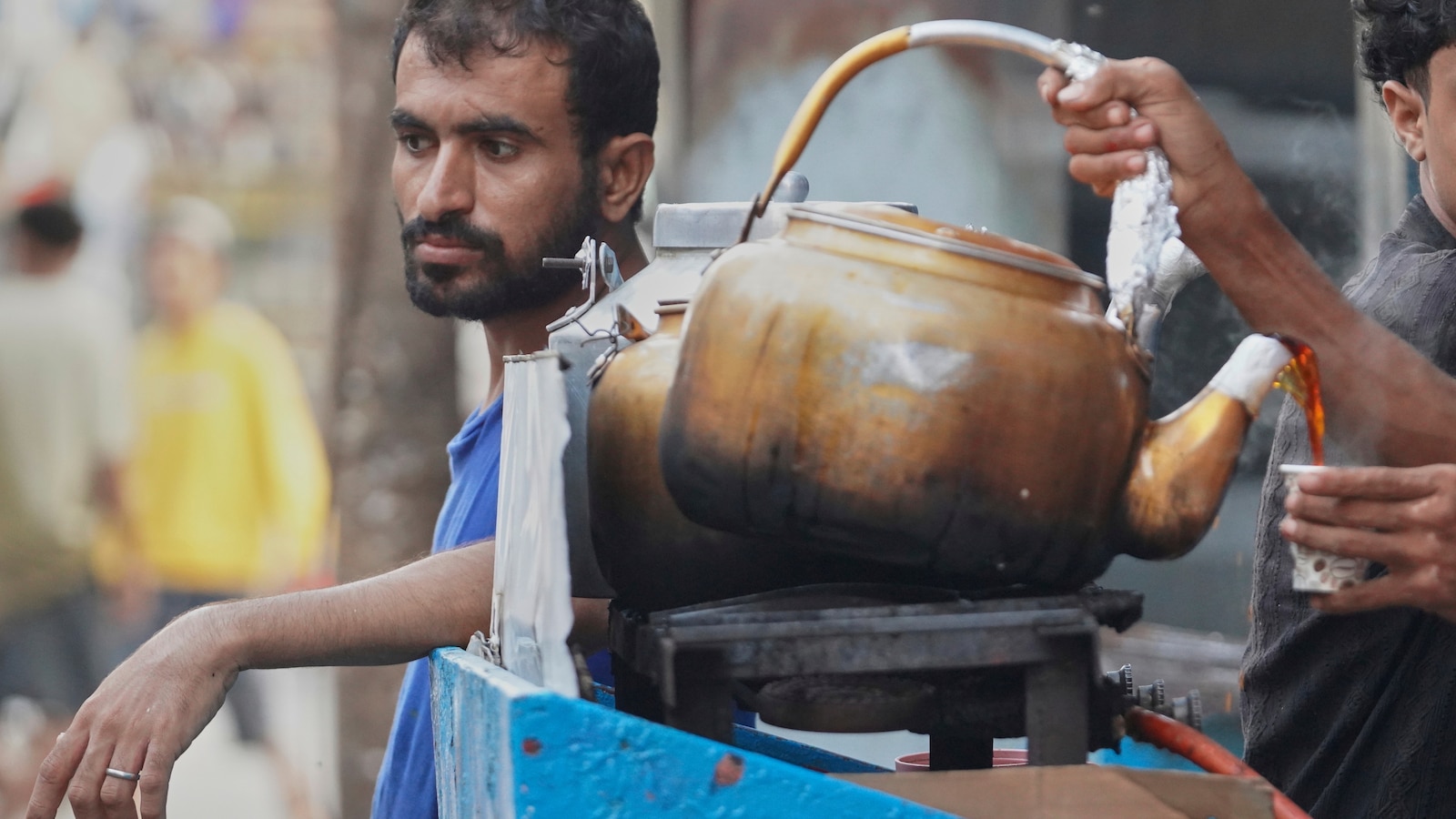
Hunger is expected to worsen significantly in 16 countries and territories over the next six months, the United Nations' food agencies warned Friday, blaming armed conflict, extreme weather, soaring costs and steep cuts in humanitarian aid.
The latest Hunger Hotspots report from the Food and Agriculture Organization and the World Food Program places Sudan, South Sudan, Somalia, northern Nigeria and Yemen at the highest level of concern. All five have appeared on the list repeatedly since 2022. Armed conflict and violence are driving hunger in 12 of the 16 hotspots, the agencies said.
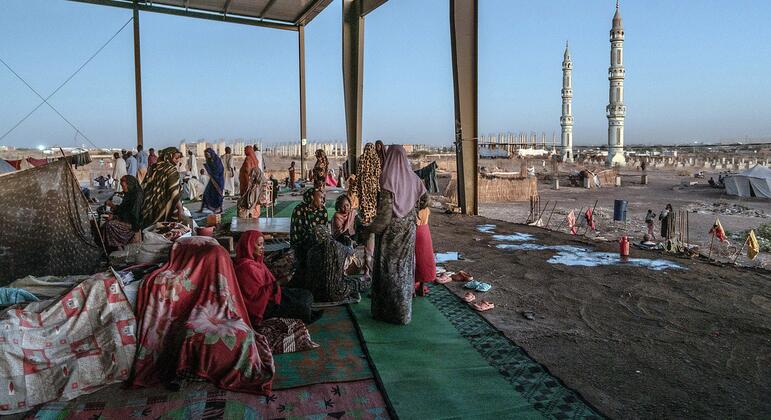
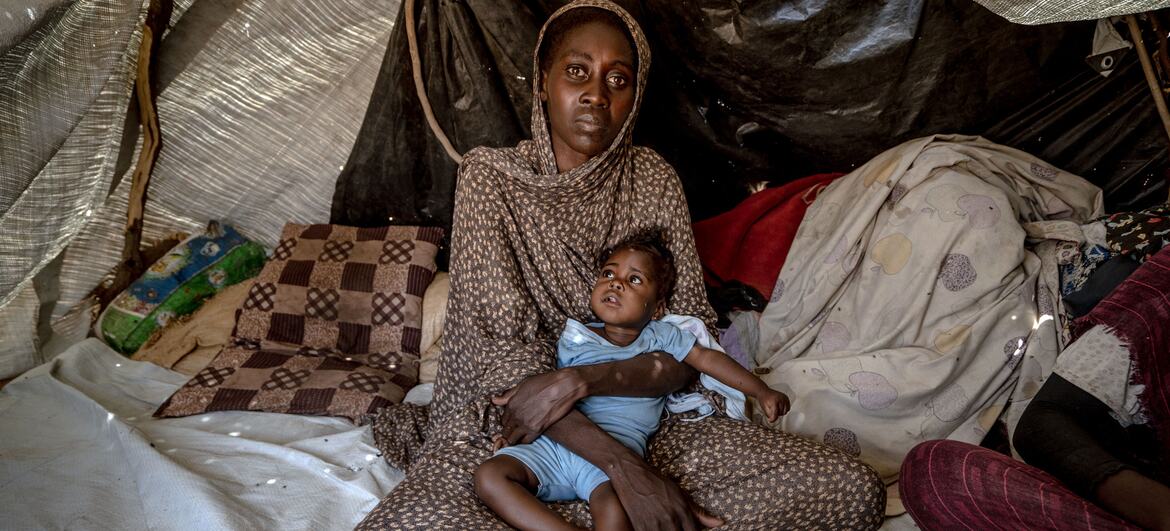
In Sudan, a risk of famine is expected to persist through January in 13 areas of North Darfur and South Kordofan. Nearly 19.5 million people, or 41% of the population, faced crisis-level hunger or worse in the latest nationwide analysis. Sorghum prices more than doubled in a year, pushed up by the fighting and by fuel costs tied to the war in the Middle East, and diesel prices also more than doubled.
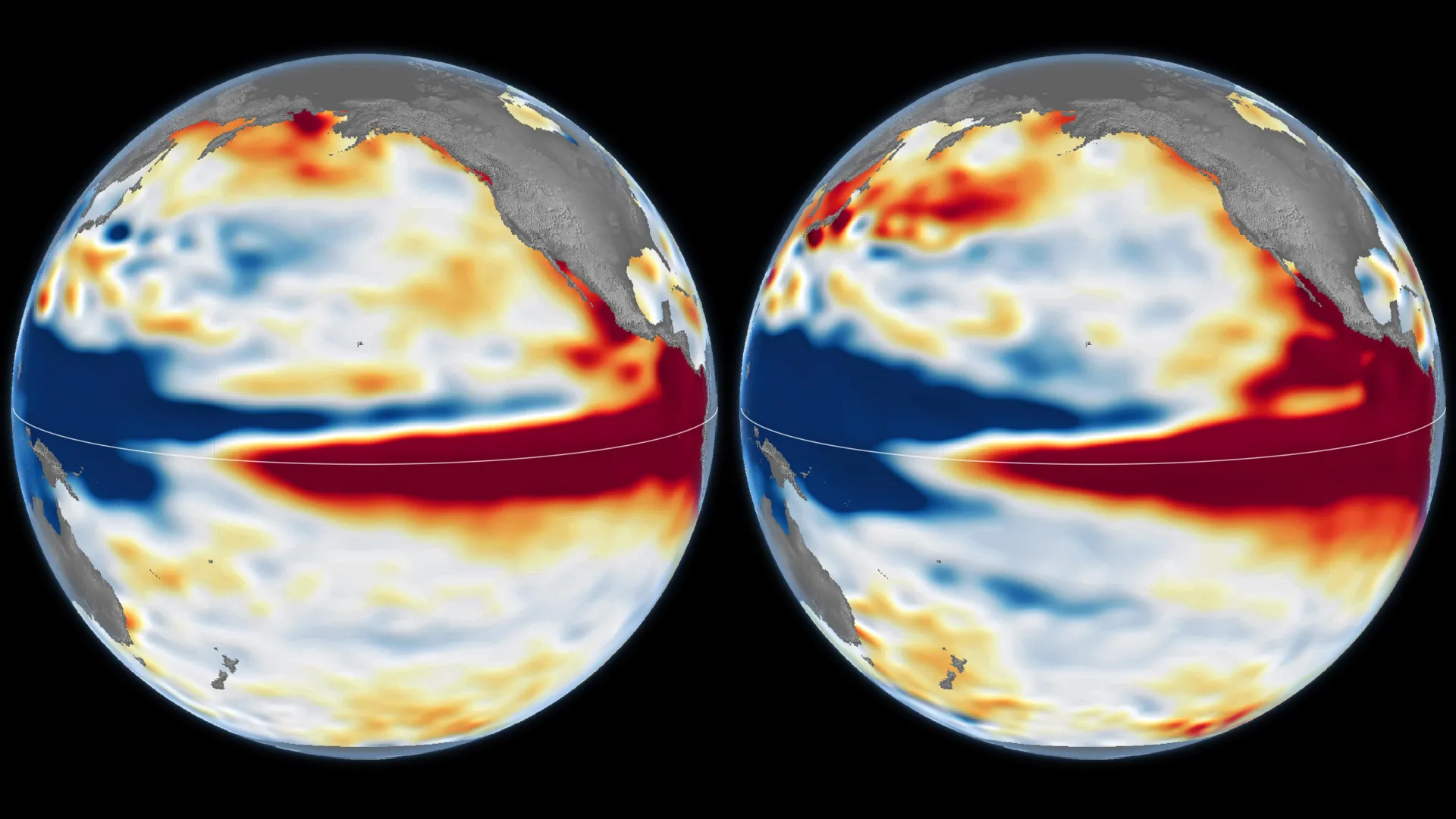
Weather is compounding the damage. Drought linked to El Niño, a natural warming of Pacific Ocean water that disrupts weather around the world, has affected up to 55% of cropland in Sudan's Sennar state and 70% in Gedaref, two of its main farming regions. Beth Bechdol, the FAO's deputy director-general, told The Associated Press the drought poses a major threat on top of the war.
In Yemen, hunger is likely to worsen as fighting that resumed in July spreads across several fronts. More than 300,000 people have been displaced since the escalation began, and 1.8 million people in government-held areas now face emergency levels of hunger, up from 1.6 million in the previous analysis. The report warned that attacks on Red Sea shipping threaten the imports of food and fuel the country depends on.
The Palestinian territories were moved down one level following the October 2025 ceasefire in Gaza, but the agencies cautioned that the gains are fragile. Some 67% of Gaza's population still faces crisis-level hunger or worse, and conditions in the occupied West Bank are expected to deteriorate.
Money is running short just as needs grow. Humanitarian assistance to the five most endangered countries fell from $5.1 billion to $2 billion between 2022 and 2025, and food and nutrition aid to Yemen dropped 79% over that period. Shipping is disrupted in the Strait of Hormuz, the Red Sea and the Black Sea, and Gulf fertilizer shipments remain largely halted.
Bechdol said the timing of funding matters as much as the amount, because help for farmers has to arrive during planting and harvest. With El Niño forecasts in hand, she said, agencies should be positioning seeds and protecting livestock before disaster strikes. "When that window is lost, you don't get it back," she said. "We're funding losses and we're funding damage."