Africa Overtakes Asia as the World's Hunger Epicenter for the First Time, U.N. Says
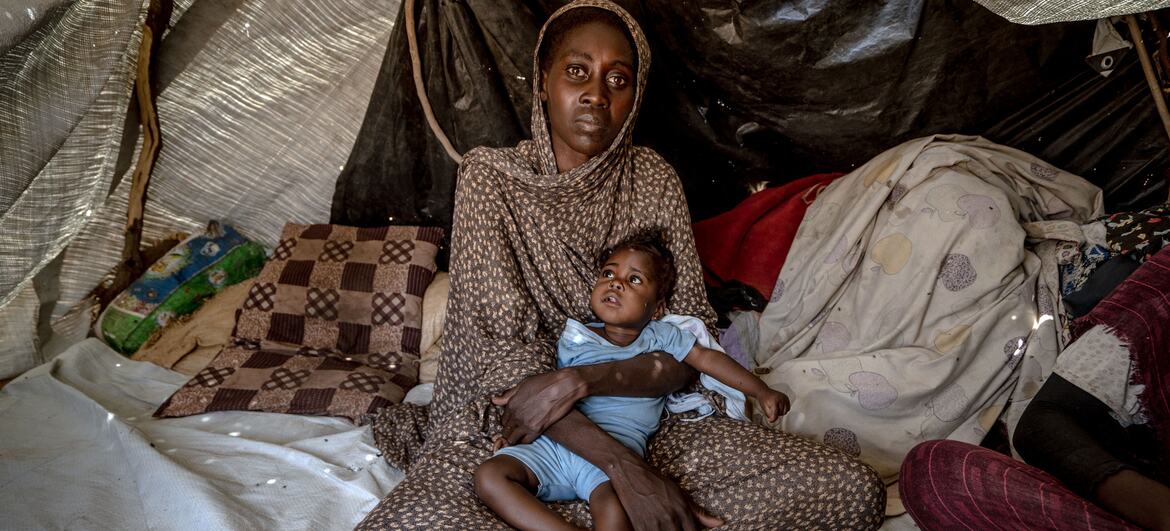
A new United Nations report finds 309 million people in Africa went hungry last year even as global hunger eased for a third straight year, blaming conflict and climate shocks.
Africa has overtaken Asia as the continent with the largest number of people going hungry, according to a United Nations report released Tuesday — a grim milestone reached for the first time even as hunger eased across much of the rest of the world.
The State of Food Security and Nutrition in the World 2026 report, produced jointly by five U.N. agencies, found that 309 million people in Africa suffered from hunger in 2025, roughly 20 percent of the continent's population. By comparison, 292 million people in Asia went hungry — about 6 percent of that far more populous continent. Globally, the number of undernourished people fell for a third consecutive year, making Africa's rise all the more stark.
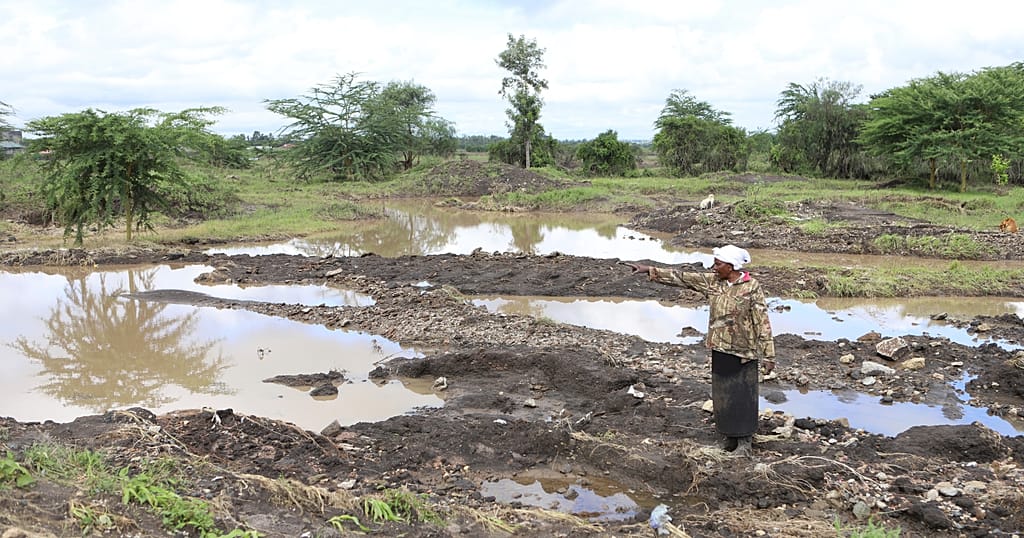
The report attributed the deterioration to a punishing combination of armed conflict and climate-related shocks. Wars in Sudan and the Democratic Republic of Congo have driven millions from their farmland and cut off incomes, while droughts, floods and erratic rainfall have battered harvests across the Sahel and the Horn of Africa. The share of Africans who cannot afford a healthy diet has climbed since 2021, the agencies found, even as it has fallen in other regions.
The trajectory is projected to worsen. Nearly 60 percent of the world's chronically undernourished people could live in Africa by 2030, the report warned, a reversal of decades of progress that had once positioned Asia as the focal point of global anti-hunger efforts. Officials cautioned that the figures reflect not a failure of food production alone but of access, affordability and stability — problems that humanitarian aid cannot resolve on its own.
U.N. officials framed the findings as an urgent call to invest in conflict resolution and climate resilience rather than emergency relief alone. "Hunger is increasingly a symptom of instability," one agency representative said, noting that the countries with the fastest-rising rates are almost uniformly those enduring war or repeated environmental disaster. The report urged wealthy nations to protect development financing even amid competing global crises.
The timing is politically fraught. Aid budgets in the United States and Europe have come under pressure as governments redirect resources toward defense and toward the widening conflict in the Middle East, which has driven up food and fuel costs worldwide. Humanitarian groups warned that any pullback in funding could accelerate the very trend the report documents — leaving a continent of more than a billion people bearing an ever-larger share of the planet's hunger.