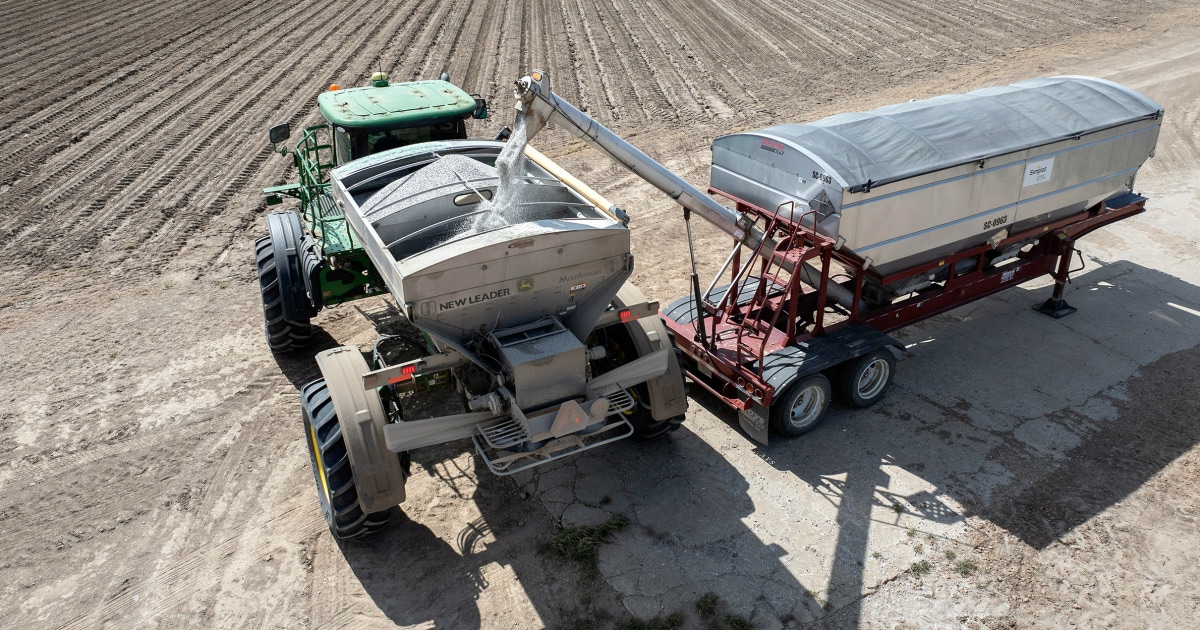
Iran War's Hidden Front: Fertilizer Blockade Threatens Global Crop Failures as Planting Season Opens
Strait of Hormuz shipping has collapsed 95%, cutting off a third of global urea trade during the spring planting window, with the UN warning of 'crop failures next season' across East Africa and South Asia.
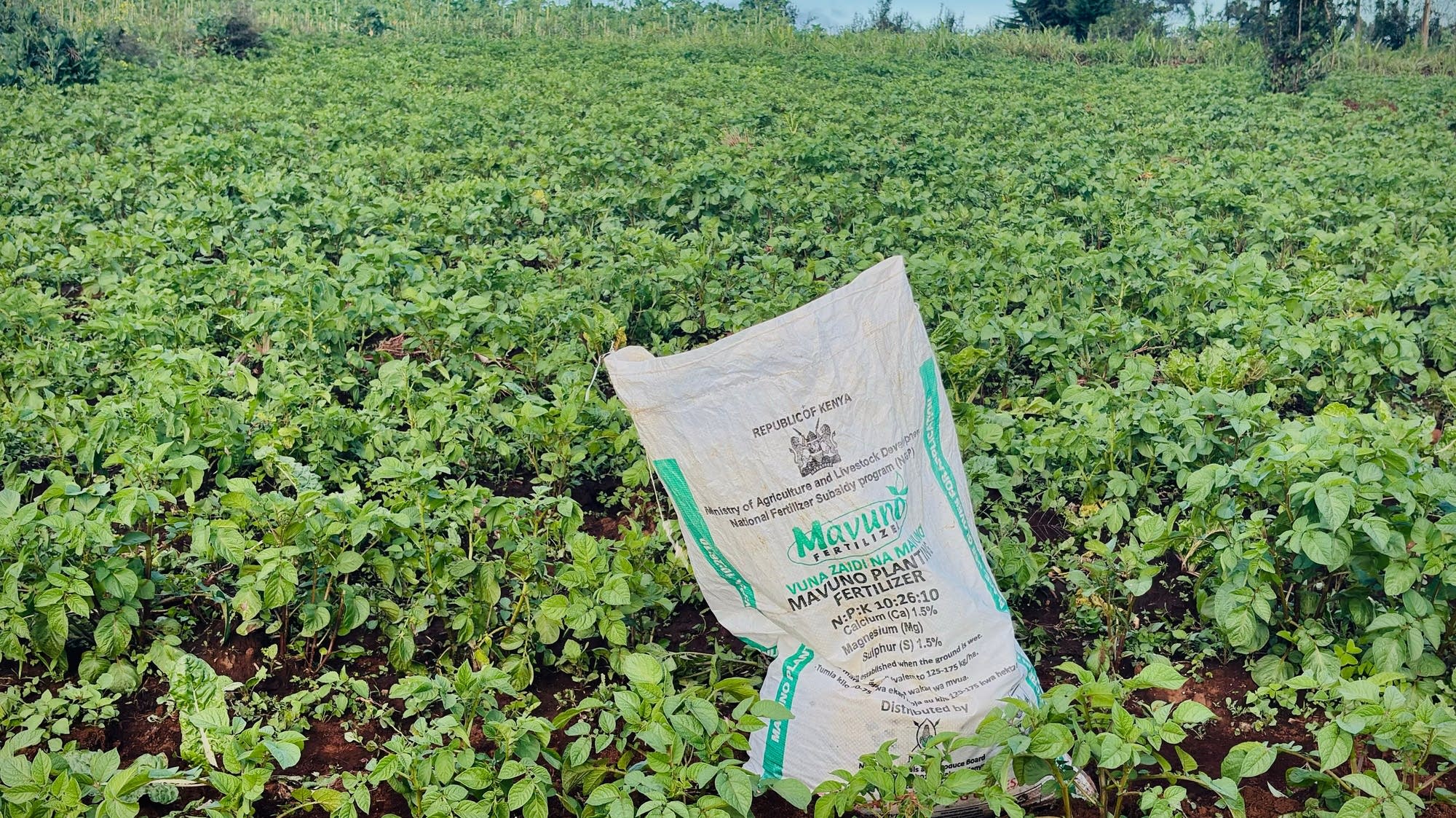
The Iran war's invisible front is playing out not in Tehran or the Strait of Hormuz but in the fields of East Africa, South Asia, and the American Midwest — where the world's spring planting season has begun without the fertilizer farmers need. Experts and international organizations warn that the conflict's disruption to the global fertilizer trade could trigger food price spikes and crop failures across the developing world, with effects that may not be felt fully until next year's harvests but whose damage is being locked in right now.
The Strait of Hormuz, the narrow waterway through which nearly 20 percent of the world's oil passes, has also long served as the artery of global fertilizer trade. Approximately one-third of all seaborne urea — the world's most widely traded nitrogen fertilizer — moves through or from the Hormuz-constrained countries that ring the Persian Gulf. Since the U.S.-Israel war with Iran began on February 28, commercial shipping through the strait has collapsed. Traffic that ran at roughly 130 vessels per day before the war has fallen to single digits in recent weeks, a decline exceeding 95 percent. The fertilizer cargoes that once moved through the strait on tankers — urea from Iran and Qatar, phosphate from Saudi Arabia, sulfur from oil and gas processing facilities across the Gulf — are stuck.
The price signals have been immediate and stark. Analysts at CNBC tracking the fertilizer market report that FOB granular urea in Egypt — a benchmark price for nitrogen fertilizers — has jumped from $400 to $490 per metric ton before the war to approximately $700 per metric ton today, a surge of 43 to 75 percent in under a month. Saudi Arabia produces roughly one-fifth of global phosphate fertilizer, and the region exports more than 40 percent of the world's sulfur, a critical input for superphosphate production. Raj Patel, a food systems researcher at the University of Texas, framed the timing with blunt urgency: "The planting season is now. The fertilizer isn't there."
The countries most exposed are those that depend most heavily on Middle Eastern imports and have the fewest financial buffers to absorb price shocks. Ethiopia sources more than 90 percent of its nitrogen fertilizer from Gulf states, with cargoes typically transiting through the Djiboutian port before distribution inland. East Africa more broadly is in the early stages of its long rains planting season — the most important agricultural period of the year for food security across Kenya, Somalia, Uganda, and Tanzania. In South Asia, Bangladesh, India, Pakistan, and Sri Lanka are similarly import-dependent; India's government is currently subsidizing fertilizer purchases to the tune of $12.7 billion annually to prevent price pass-through to farmers, but even that subsidy may prove insufficient to compensate for severe supply shortfalls.
International institutions are sounding alarms at a volume not heard since the Russia-Ukraine war disrupted grain and fertilizer supplies in 2022. Carl Skau, deputy executive director of the United Nations World Food Program, issued a statement warning that "in the worst case, this means lower yields and crop failures next season." Research conducted in Zambia suggests that even short delays in fertilizer application can reduce maize yields by approximately 4 percent annually — a figure that compounds across millions of acres when supply chains break down during planting windows. The United States, while less import-dependent than developing nations, is not immune: American farmers who had planned fertilizer purchases for spring corn and soybean planting are reporting price increases and supply delays that add uncertainty to an already challenging agricultural season. Policymakers and food security experts say the window to act is closing, as fertilizer applied after optimal planting dates delivers diminishing returns regardless of price.