Cameroon's 93-Year-Old President Vanishes for Two Months, Igniting a Succession Crisis
Paul Biya, the world's oldest head of state, has not appeared in public since May, and his ruling party is scrambling to insist that 'the office is not vacant.'
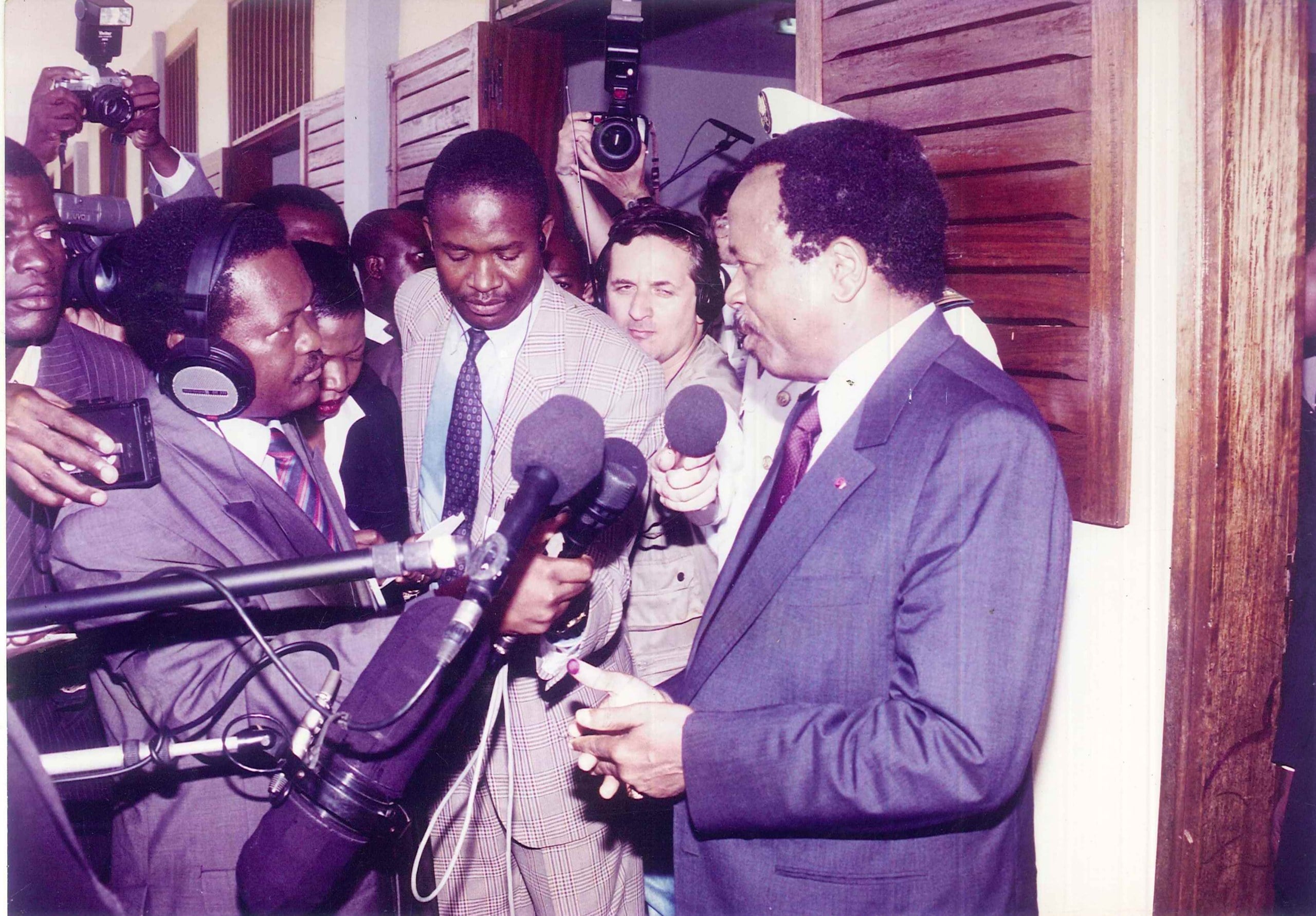
Cameroon's president, Paul Biya, has not been seen in public for more than two months, and the prolonged absence of the 93-year-old — the world's oldest sitting head of state — has plunged the Central African nation into a quiet succession crisis.
Biya, who has ruled Cameroon since 1982, left the country in early June for what officials described as a short private stay in Europe and has not returned. By this week he had been abroad for roughly 45 days, prompting the ruling Cameroon People's Democratic Movement (RDPC) to convene a rare meeting of its senior leadership as criticism of the silence mounted.
The government has moved aggressively to control the narrative. Jeune Afrique reported in mid-June that Biya was receiving care at a private clinic in Geneva following a health incident during Cameroon's National Day events on May 20, but Communication Minister René Emmanuel Sadi dismissed the hospitalization reports as "malicious and unfounded," insisting the president does not require the level of care suggested. Authorities have gone further still, moving to restrict media reporting on the president's health altogether.
Party officials have mounted an increasingly defensive public relations campaign. In a July 15 editorial, RDPC figure Christophe Mien Zok declared, "The office is not vacant. The Lion has not left" — a reference to Biya's longtime nickname. Official presidential social media accounts have continued to post messages in his name throughout his absence, though no verifiable images or public appearances have accompanied them.
The opposition is not buying it. One lawmaker has petitioned the Constitutional Council to formally declare the presidency vacant, which would trigger a constitutional chain reaction: under Cameroon's rules, the president of the Senate would serve as interim head of state, and a new presidential election would have to be organized within 120 days. Such a scenario would upend a political order Biya has dominated for more than four decades.
The uncertainty is especially fraught given Cameroon's recent history of contested elections and the long-simmering separatist conflict in its English-speaking regions. With no clear successor groomed and the machinery of the state built around a single aging leader, Biya's disappearance from view has laid bare a question the country has avoided for a generation: what happens when the Lion is finally gone. For now, the government's answer is simply that he is not — even as the man himself remains unseen. Regional observers warn that any disorderly transition in Cameroon, a linchpin of stability in an already volatile stretch of Central Africa, could ripple well beyond its borders and complicate security cooperation with Western partners.