Ethiopia Votes With Abiy Ahmed's Party Poised for Landslide as Tigray Sits Out
Voters chose among 547 parliamentary seats in a contest critics call a foregone conclusion, with ongoing conflict barring the entire Tigray region from the ballot.

Ethiopians voted Monday in the country's seventh general election, choosing representatives for 547 seats in parliament in a contest widely seen as a foregone conclusion. Prime Minister Abiy Ahmed and his ruling Prosperity Party are expected to win decisively, with a party needing at least 274 seats to form a government and govern for the next five years.
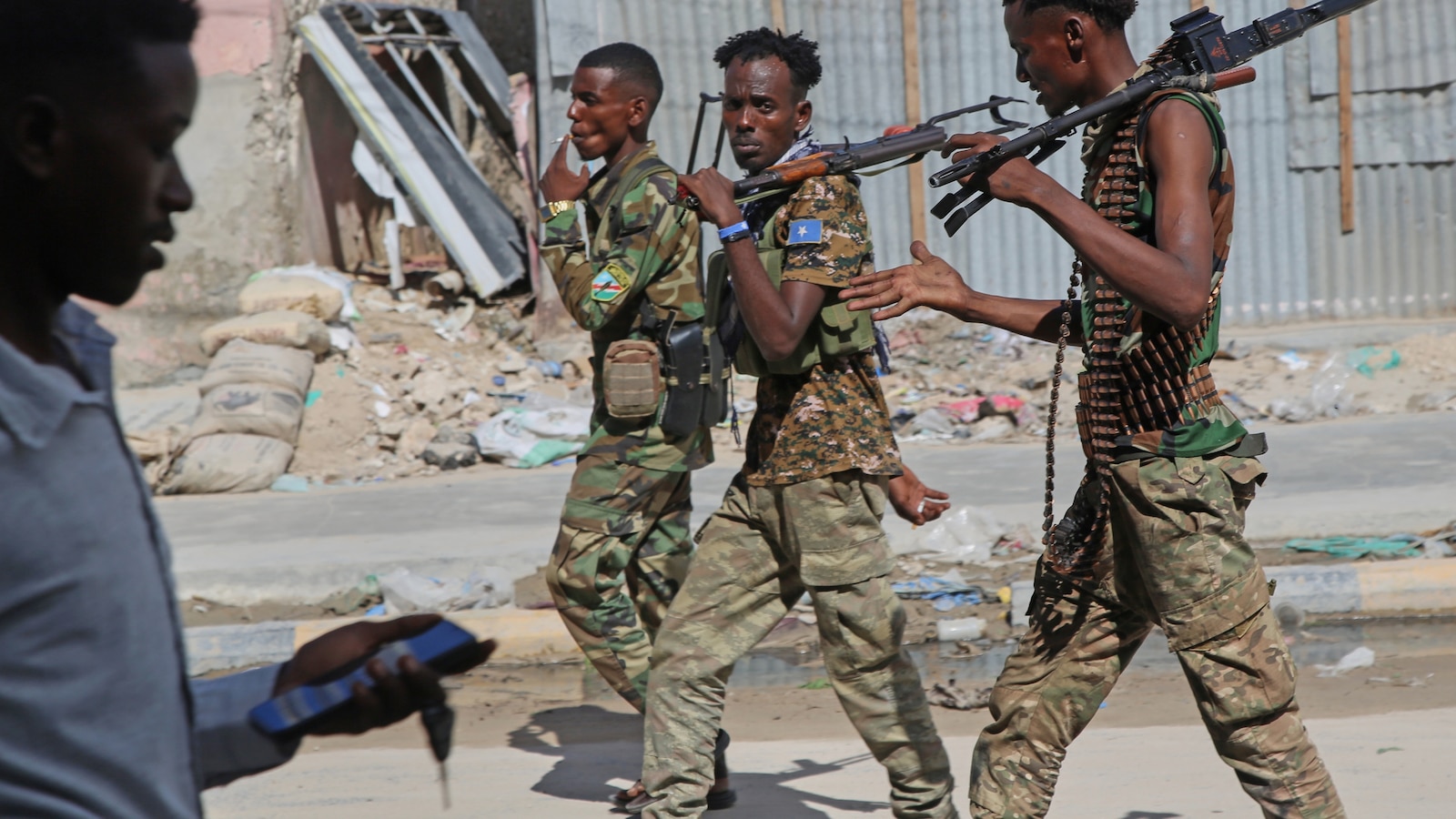
The vote unfolded under a long shadow of conflict and contested legitimacy. The entire Tigray region — still recovering from the devastating two-year war that ended in 2022 — was unable to take part, leaving millions of citizens effectively shut out of the national ballot. Pockets of unrest and insecurity elsewhere in the country also disrupted participation.
Opposition parties accused the federal government of tilting the playing field long before voting began, alleging that authorities had arrested their leaders and erected legal obstacles to ordinary political activity. The government denies the charges. Before the election, analysts and rights groups also raised concerns about the suppression of dissent and about reported ambitions by Abiy to amend the constitution and shift Ethiopia toward a presidential system that could extend his hold on power.
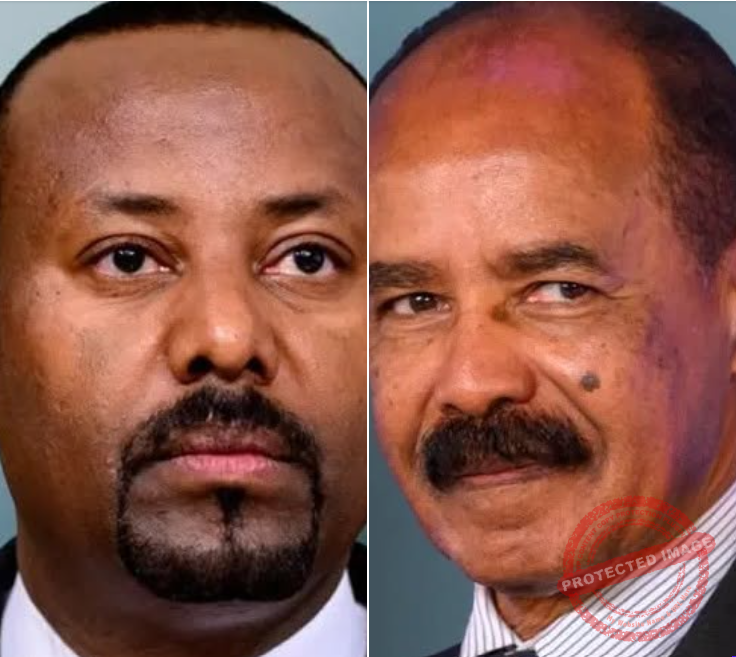
Abiy, who won the Nobel Peace Prize in 2019 for his rapprochement with neighboring Eritrea, has since presided over a brutal civil war in Tigray and persistent violence in the Amhara and Oromia regions, complicating the image of a reformer that first vaulted him to international prominence. His Prosperity Party, formed from the merger of parties in the former ruling coalition, has dominated the political landscape since.
The Tigray war, which erupted in late 2020 and was formally halted by a peace agreement signed in Pretoria in November 2022, ranks among the deadliest conflicts of the century, and the region's exclusion from this vote underscores how incomplete that peace remains. Relations with neighboring Eritrea, once celebrated as the centerpiece of Abiy's Nobel-winning diplomacy, have soured again, and fresh violence has flared in the populous Amhara and Oromia regions, raising questions about how much of the country the election truly represents.
Ethiopia's National Electoral Board oversaw the balloting, with official results expected by June 11. Even before the count, parliament's eventual confirmation of Abiy for a fresh five-year term appeared all but assured, leaving the more consequential questions — over Tigray's political future, the fate of the opposition and the shape of Ethiopia's constitution — to be settled well after the ballots are tallied.