Raúl Castro, 95, Stood Up at a Military Ceremony. State TV Ran Ten Minutes of It
It was the former Cuban president's first appearance since reports of a grave illness and hospitalization that his government never confirmed. His last public outing was Aug. 13.
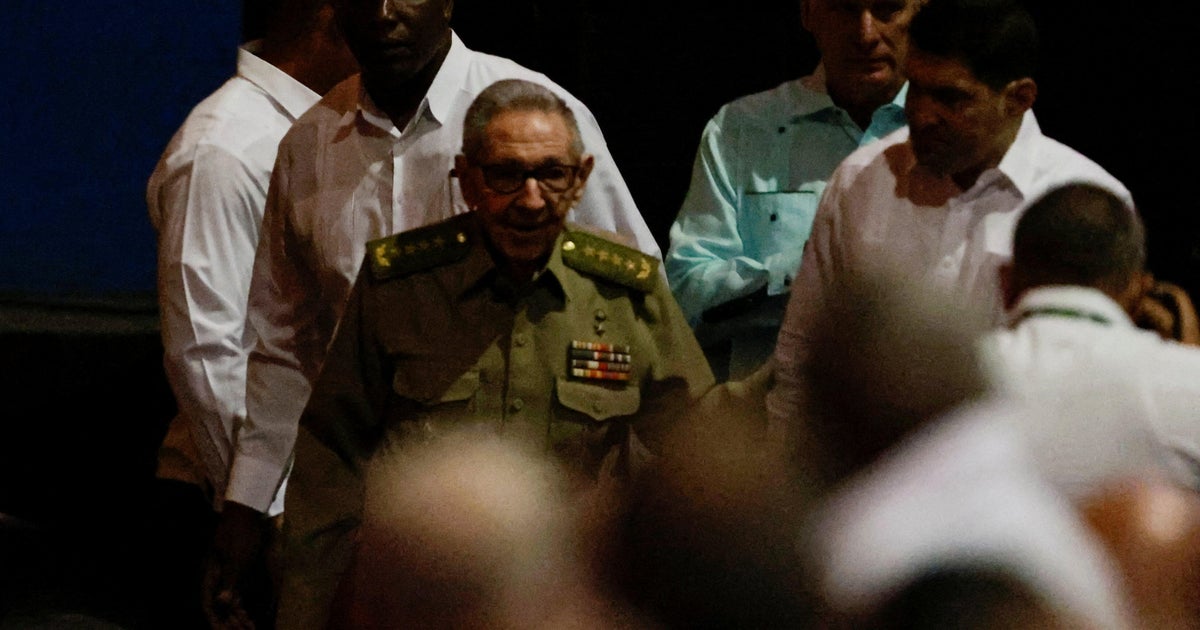
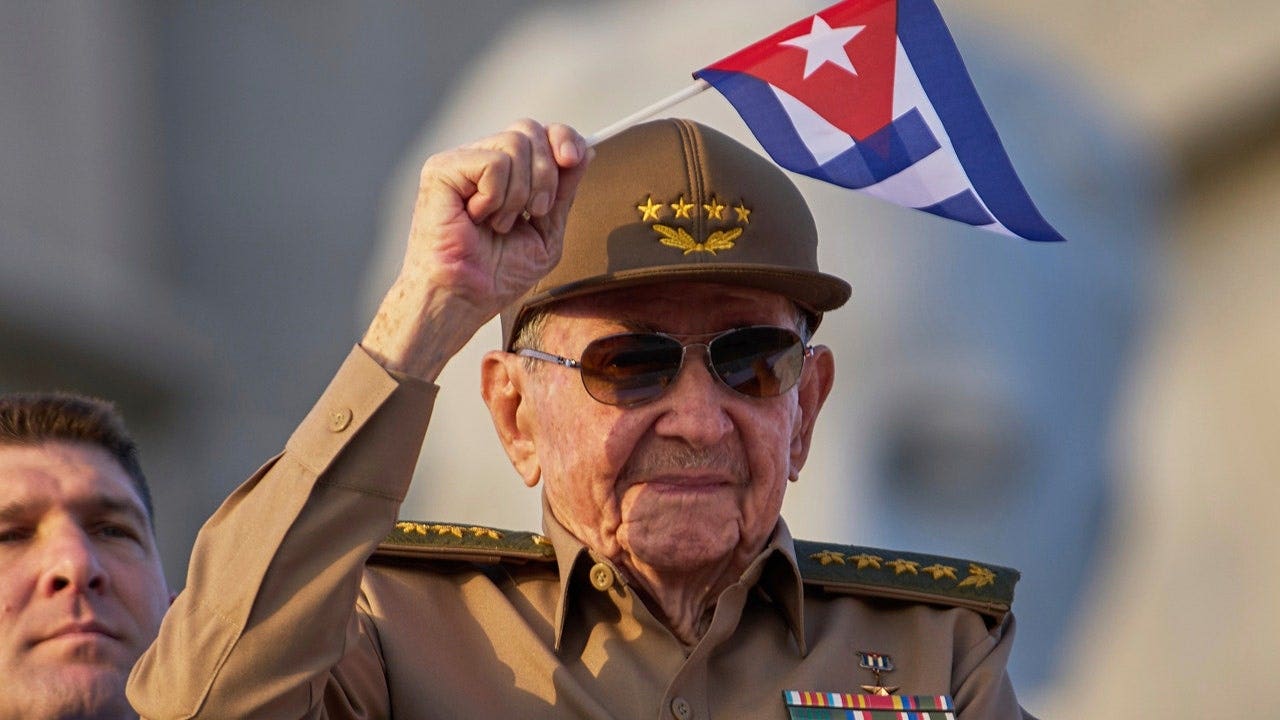
Cuban state television broadcast more than ten minutes of footage on Saturday night of Raúl Castro at a military ceremony in Havana, in his olive-green uniform, standing to accept a commemorative certificate and greeting the officers around him. In a country where the health of the Castro family has been a state secret for six decades, ten minutes of tape is the announcement.
Castro, 95, had not been seen in public since Aug. 13. Reports circulated last week that he had been hospitalized with a serious illness. The Cuban government never confirmed them and never denied them, which is the standard practice and which is why the rumors kept running. What sharpened them was his absence from the July rally marking the anniversary of the attack on the Moncada barracks, the Cuban revolution's founding commemoration. He had not missed it in decades.
The ceremony Saturday marked the 65th anniversary of the Personal Security Directorate, the branch of the armed forces that protects the island's leadership. Castro appeared alongside his bodyguard and grandson, Raúl Guillermo Rodríguez Castro, a fixture at his side for years. President Miguel Díaz-Canel posted photographs from the event on X on Sunday morning. "It is an honor to participate alongside Army General (Raúl Castro) in the ceremony marking the 65th anniversary of the Personal Security Directorate," he wrote.
Castro stepped down as president in 2018 and gave up the leadership of the Communist Party in 2021, handing both to Díaz-Canel. He has held no formal office since. He remains, in practice, the last surviving figure with unquestioned authority over the armed forces and the party apparatus, and the question of what happens in Havana when he is gone has hung over Cuban politics and over Washington's policy planning for years.
It hangs over an island in the worst condition of the post-Soviet period. Blackouts have run past 30 hours at a stretch this year, the national grid has collapsed repeatedly, food and medicine are short, and hundreds of thousands of Cubans have left. The United States imposed an oil and financial blockade in January that has made every one of those problems worse.
Castro himself is now a criminal defendant in the American system. The Justice Department charged him in June in connection with the 1996 shootdown of two civilian aircraft flown by the Miami exile group Brothers to the Rescue, in which four men were killed. He is 95 years old, he has not left Cuba in years, and there is no mechanism by which he would ever appear in a U.S. courtroom. The indictment is a statement of intent about what Washington expects to happen next in Havana.