Cuba Confirms U.S. Diplomats Flew to Havana for Talks — First American Visit to the Island Since 2016
Cuba's top demand is ending the Trump administration's oil blockade, which has plunged the island into rolling blackouts. A Castro grandson was in the Cuban delegation.

Cuba confirmed Monday that Trump administration officials held diplomatic meetings in Havana on April 10 — the first time American diplomats had flown to the island nation for formal talks since 2016, when Barack Obama's administration was working to normalize relations after decades of hostility. The Cuban government's foreign ministry described the exchange as "respectful and professional," and said both sides had agreed to continue discussions, though no timeline was set and no agreements were announced. The confirmation represents the most significant direct engagement between Washington and Havana since Trump returned to the White House in January 2025.
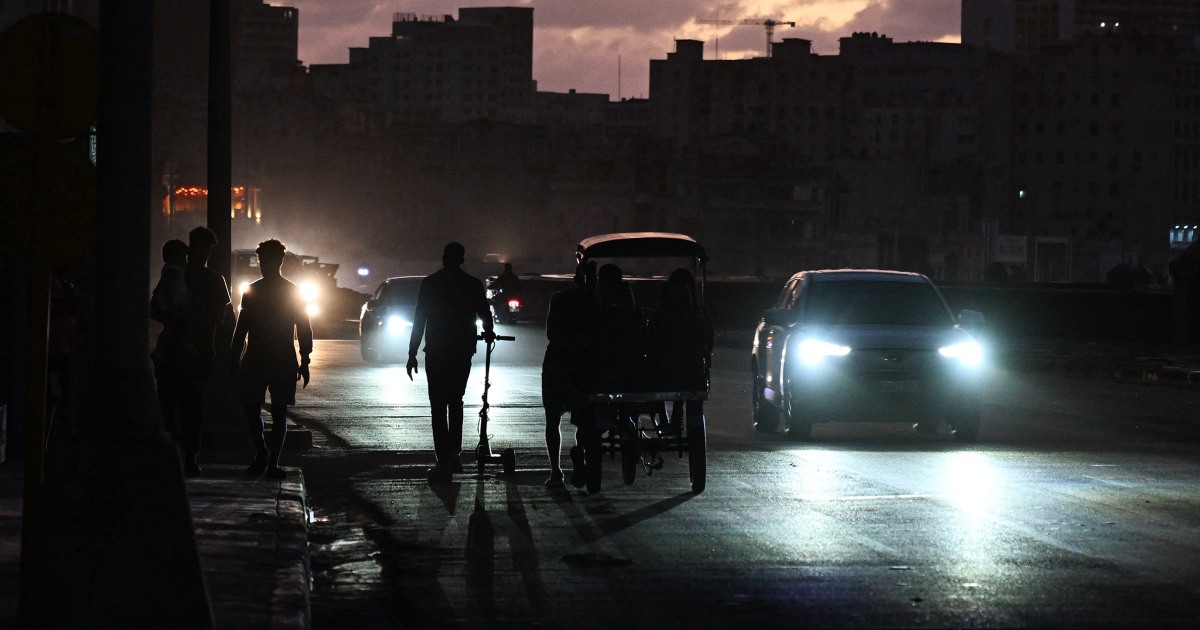
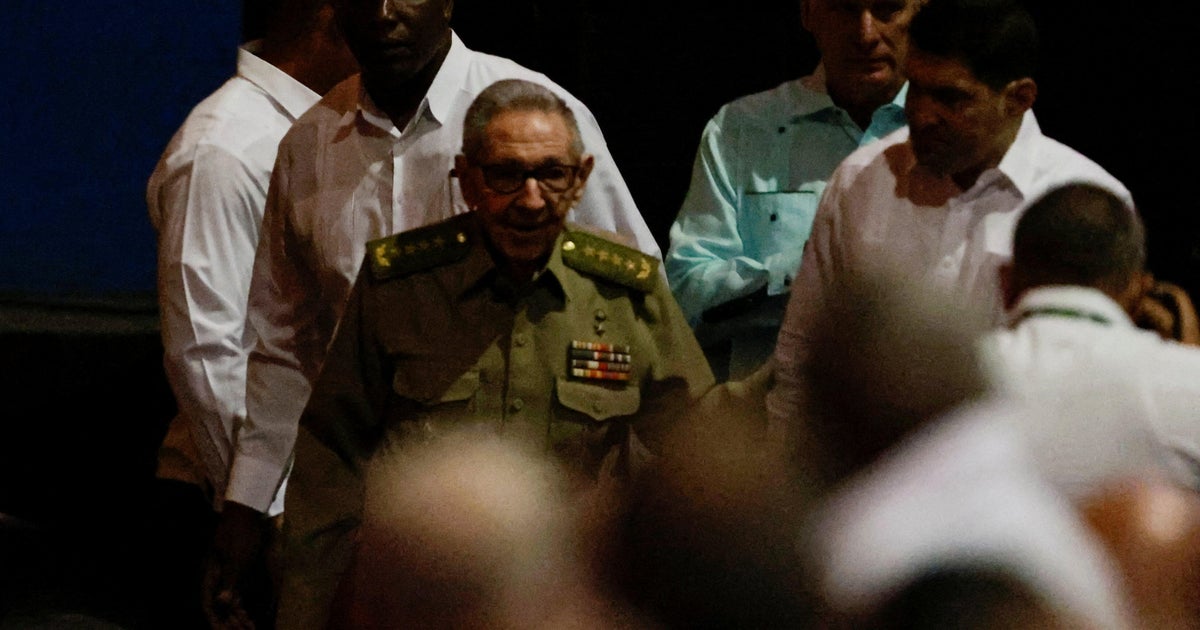
According to Cuba's foreign ministry, the U.S. delegation included assistant secretaries of state, while Cuba's side was led by deputy-level foreign ministry representatives, including Raul Guillermo Rodriguez Castro — the grandson of former President Raul Castro. The participation of a Castro family member signaled the Cuban government's seriousness about the talks, while the assistant-secretary level of the American delegation suggested that Washington was willing to engage substantively without yet elevating the discussions to the Cabinet level. Cuba's top negotiating priority, the government said, was ending what it called the U.S. oil and energy blockade — a set of policies enacted by the Trump administration in early 2026 that has dramatically worsened fuel shortages on the island and contributed to rolling blackouts affecting millions of Cubans.
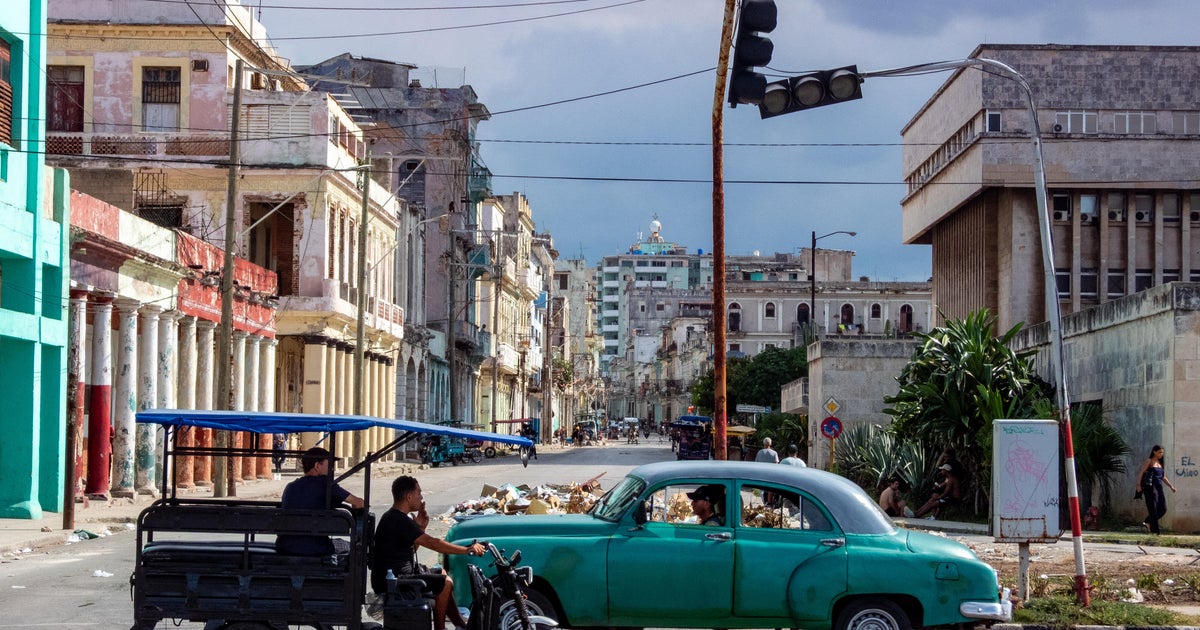
"This is blackmail," Cuban official Alejandro Garcia del Toro said of the oil blockade, which includes threats of tariffs against any nation that supplies oil to Cuba. Venezuela and Russia, Cuba's primary oil suppliers, have both curtailed shipments under the threat of secondary sanctions. The blockade has intensified a humanitarian crisis that was already severe: Cuba has been dealing with chronic shortages of food, medicine, and fuel since at least 2019, and the island's economic collapse has driven record levels of emigration to the United States and other countries. The Trump administration's position has been that the blockade is a legitimate tool of pressure and will remain in place until Cuba makes meaningful reforms.
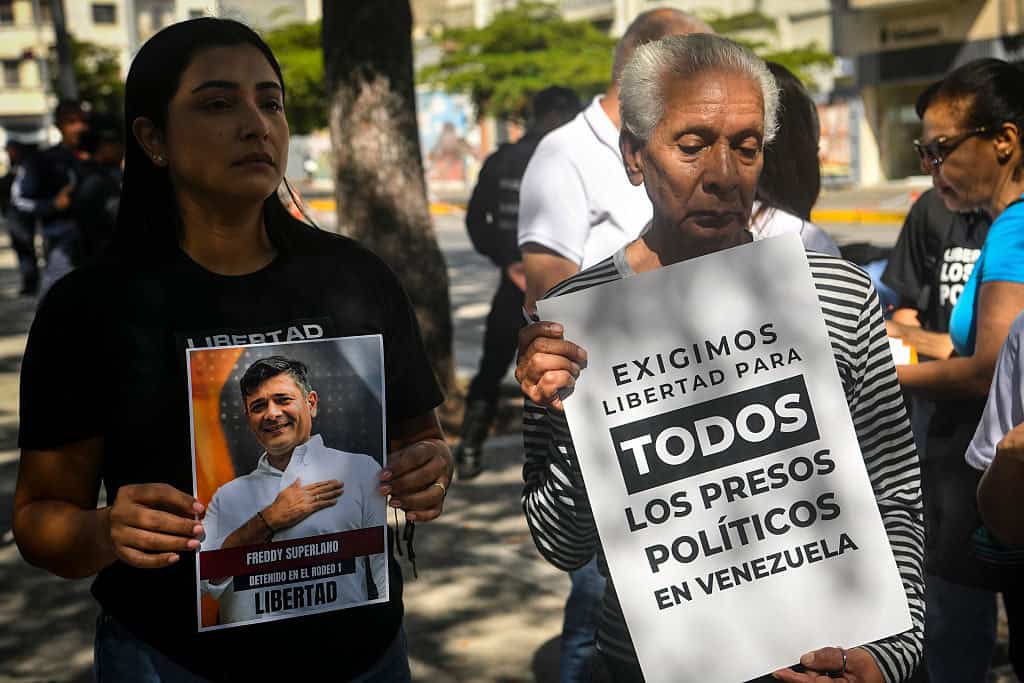
The U.S. side brought a list of demands to the Havana talks that went well beyond the oil blockade. According to sources familiar with the discussions, American negotiators pressed Cuba to release political prisoners — the Cuban government holds hundreds of people arrested following the July 2021 protests — and to allow the Starlink satellite internet service to operate on the island. The U.S. also raised longstanding demands for Cuba to compensate American companies and individuals for assets seized after the 1959 revolution, and to reduce the influence of foreign powers with interests hostile to the United States, a reference widely understood to mean Russia and China. Cuba's government rejected most of these demands outright but agreed they could be discussed in future rounds.
The talks took place against a backdrop of significant political sensitivity on both sides. In the United States, Cuban-American voters in South Florida — a key swing constituency — have historically opposed any engagement with Havana that falls short of regime change, and the Trump administration will face scrutiny from within its own base if talks are seen as legitimizing the Castro government. In Cuba, hardliners within the Communist Party oppose any negotiations that might accelerate economic liberalization or reduce state control. The Biden administration had previously attempted to ease some restrictions on Cuba but pulled back amid criticism. The Trump outreach, which comes from an administration that has otherwise taken a hawkish posture toward U.S. adversaries, has surprised analysts who expected a more confrontational approach.