Sudan's Civil War Enters Its Fourth Year: 59,000 Dead, 34 Million in Need, and a World That Chose to Look Away
Three years after fighting erupted between Sudan's military and the Rapid Support Forces on April 15, 2023, the UN calls it not a forgotten crisis but an 'abandoned' one, as famine spreads, genocide findings mount, and international aid falls critically short.
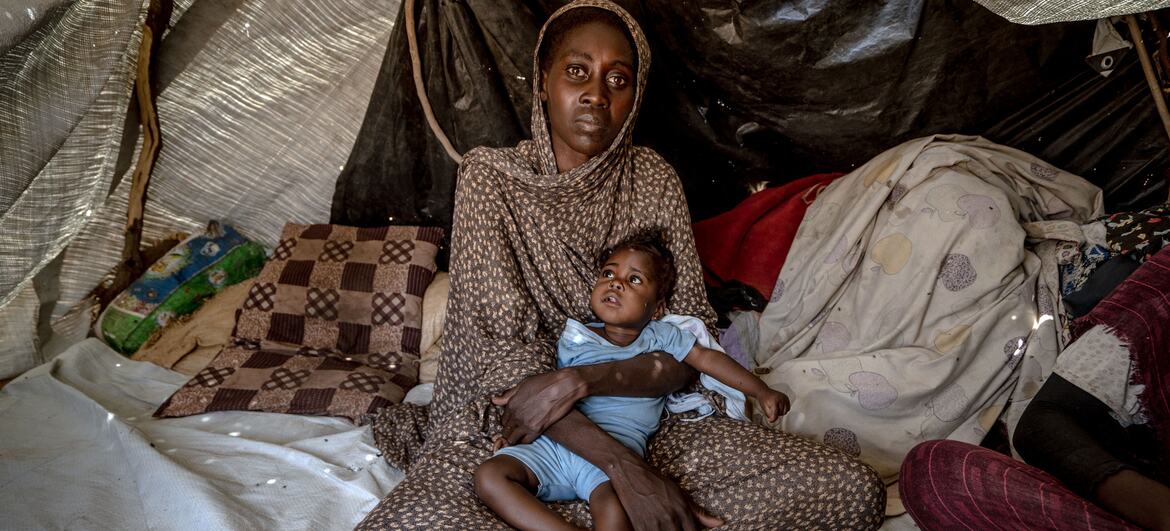
Three years after fighting erupted between Sudan's military and the paramilitary Rapid Support Forces on April 15, 2023, the war that has claimed at least 59,000 lives and displaced more than 13 million people shows no signs of ending. As the conflict enters its fourth year, United Nations officials are calling it not a forgotten crisis, but an abandoned one — a deliberate choice by the international community to look away from one of the worst humanitarian disasters unfolding anywhere in the world today.
"Please don't call this the forgotten crisis," Sudan's top United Nations official told reporters on Tuesday. "I'm referring to this as an abandoned crisis." UN Emergency Relief Coordinator Tom Fletcher used equally stark language: "This grim and chastening anniversary marks another year when the world has failed to meet the test of Sudan." The nearly $3 billion international humanitarian appeal for Sudan remains critically underfunded, with only a fraction of needed resources committed by donor nations.
The human toll is staggering. Some 34 million people — nearly 65 percent of Sudan's entire population — are in urgent need of humanitarian assistance. Famine has been confirmed in parts of Darfur and the Kordofan regions, with the World Food Programme projecting that 800,000 people will face severe acute malnutrition this year. WFP Director Ross Smith offered no diplomatic framing: "We are two years into a famine in parts of the country, and this is simply unacceptable." At least 4,300 children have been killed or maimed in the conflict, with drones now responsible for an estimated 80 percent of child casualties as both sides have weaponized commercial drone technology.
The violence has been marked by documented atrocities, particularly in the Darfur region. A United Nations investigation found "hallmarks of genocide" in the Rapid Support Forces' massacre of civilians during the takeover of El Fasher last October — a city that had been a critical humanitarian hub. The RSF has been accused of systematically targeting civilian populations, with mass executions and sexual violence reported by multiple international monitoring organizations. Between 70 and 80 percent of health infrastructure in conflict-affected areas is now non-operational, leaving millions without access to basic medical care.
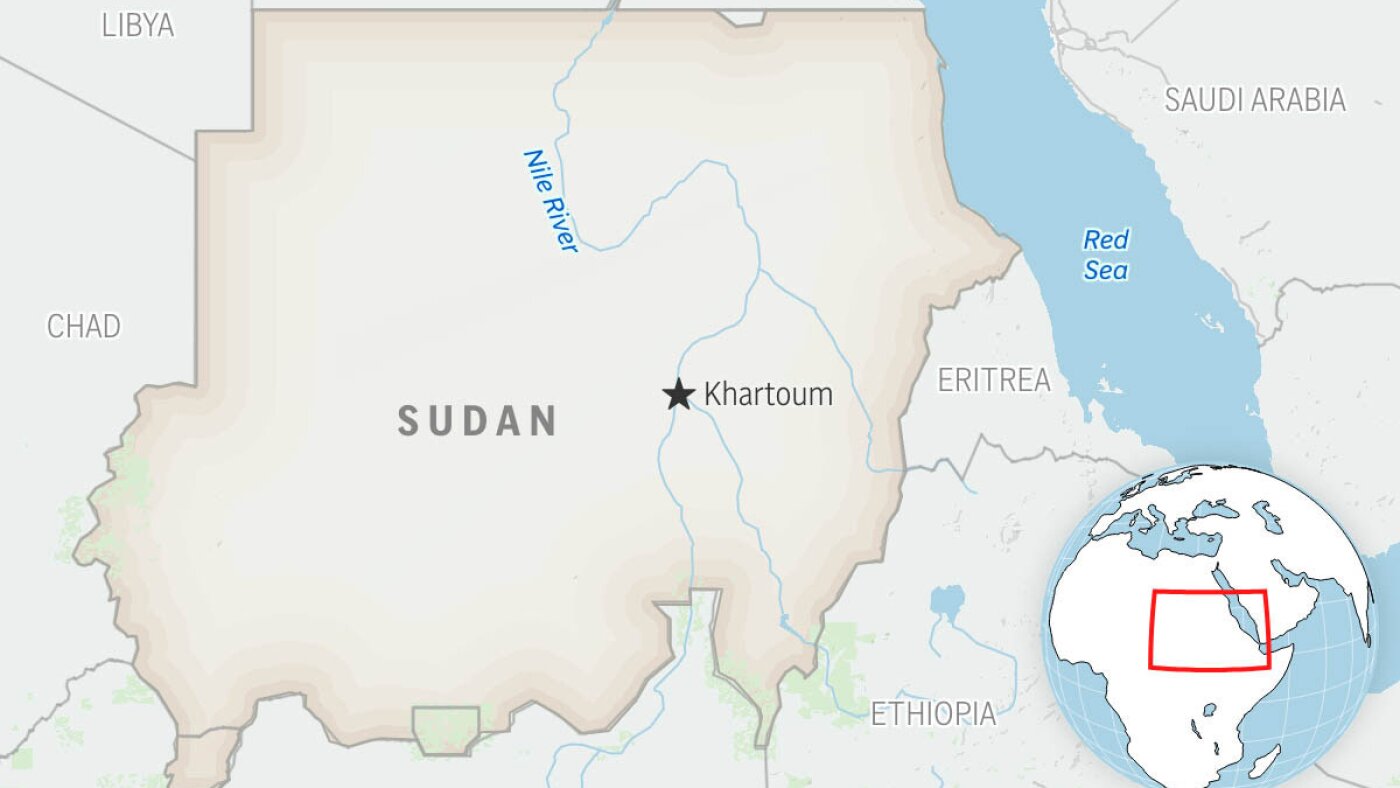
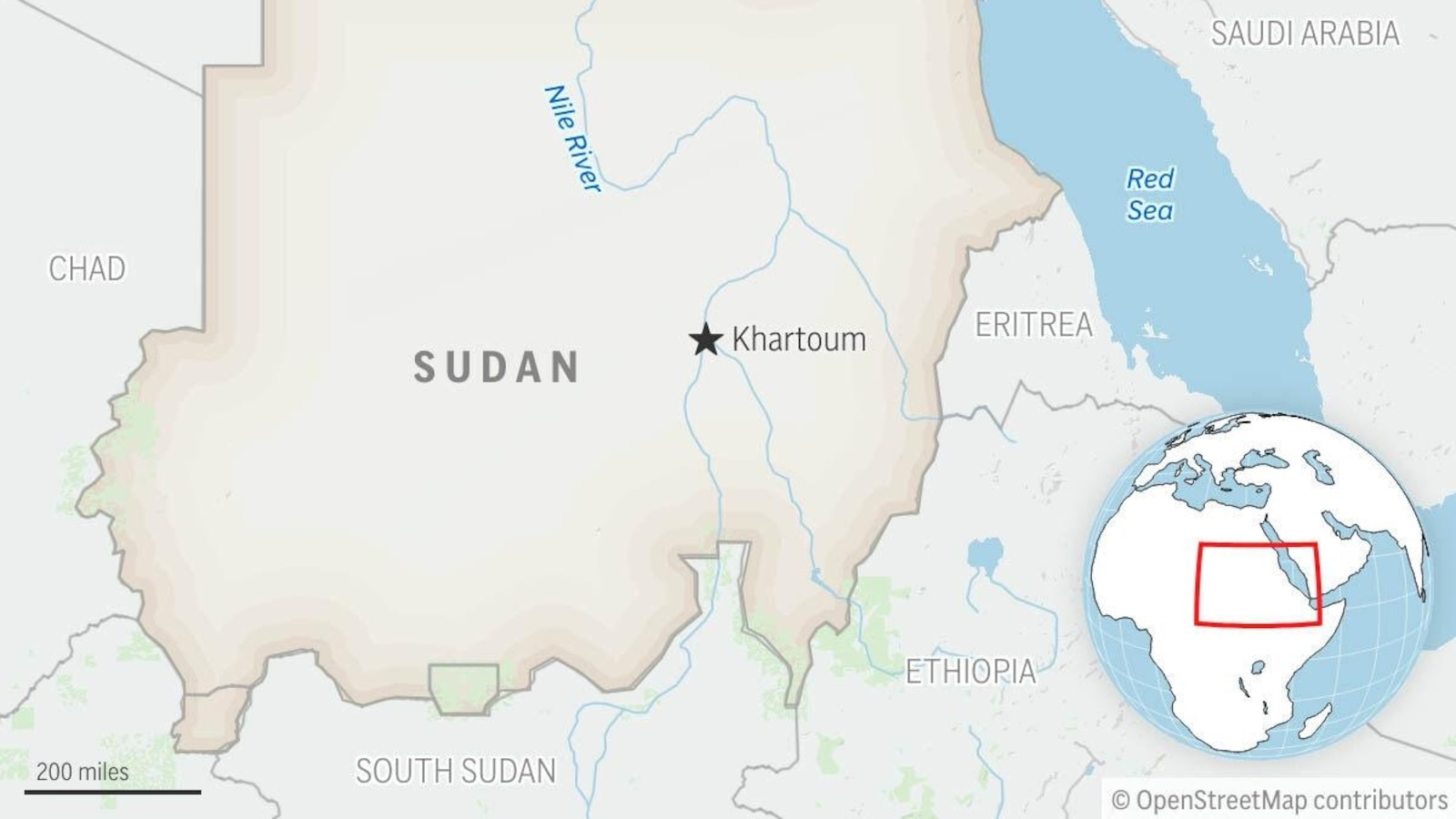
The international response has been largely paralyzed by geopolitics, with major powers focused on the conflict in the Middle East. An estimated 4.4 million Sudanese have fled to neighboring countries, with Chad, Egypt, and South Sudan hosting the largest refugee populations. Chad alone has absorbed more than 600,000 refugees while itself facing food insecurity. Aid organizations warn that without a dramatic increase in international funding and political pressure on both belligerents, the situation in Sudan will deteriorate further before the end of the conflict's fourth year — with humanitarian workers projecting further famine spread, continued child casualties, and an accelerating collapse of whatever health and civil infrastructure remains.