Hidden Planet Twice Earth's Mass Could Explain Strange Orbits Past Neptune
Simulations spanning 4.5 billion years favor an unseen world far beyond Pluto, though the researchers have not detected it and say the orbital matches alone cannot prove it exists.

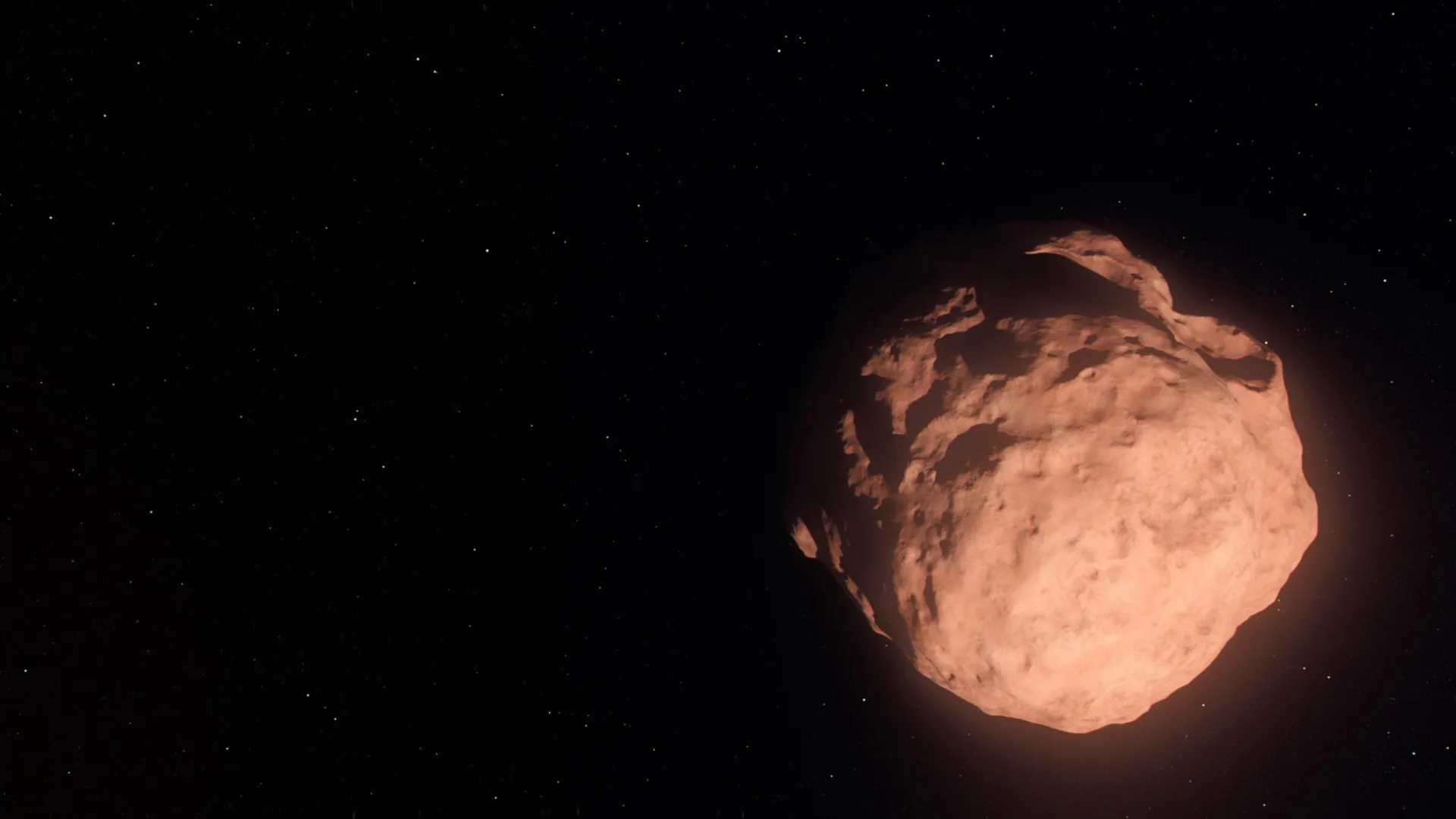
A planet about twice as massive as Earth, lurking far beyond Neptune, could account for some of the oddest orbits in the outer solar system, according to a new simulation study. No one has seen it.
The work, led by Patryk Sofia Lykawka of Kindai University in Japan, has been accepted for publication in the Monthly Notices of the Royal Astronomical Society. It addresses two puzzling groups of icy bodies in and beyond the Kuiper belt: objects traveling on steeply tilted paths, and others that stay far from the giant planets even at their closest approach to the sun.
Sedna is the best-known example. It never comes closer to the sun than about 76 times the distance between Earth and the sun, more than twice as far out as Neptune. Neptune's outward migration early in the solar system's history scattered many small bodies and trapped others in repeating orbital patterns, but it struggles to explain how an object like Sedna ended up so detached.
To test the alternatives, the researchers simulated 4.5 billion years of evolution for the four giant planets and a disk of smaller objects. Some runs had no extra planets, some added temporary worlds ranging from roughly the mass of Mars to that of Earth, and others included a permanent distant companion. The temporary planets crossed the giant planets' orbits and were usually ejected or destroyed within a few tens of millions of years, and those systems largely failed to reproduce the distant populations.
The permanent companion, which the team calls Planet X2, did much better. The strongest results favored a world of two Earth masses on an elongated, modestly tilted orbit that never comes closer to the sun than about 200 times Earth's distance. Its gravity pulled the closest points of some small bodies' orbits well beyond Neptune, tipped others onto steep inclinations and still left many distant objects on fairly flat paths.
The preferred models produced orbits resembling those of all 11 extreme distant objects examined, including Sedna, while preserving the main structures closer to Neptune. Among the ideas tested, the authors wrote, Planet X2 "best reproduces the observed orbital properties of the trans-Neptunian region."
There are important caveats. When the team checked what the Dark Energy Survey should have found if the simulated populations were real, every model predicted too few detections of objects on larger orbits. Models with and without the extra planet also matched some of the same observations, so those agreements cannot establish that it exists.
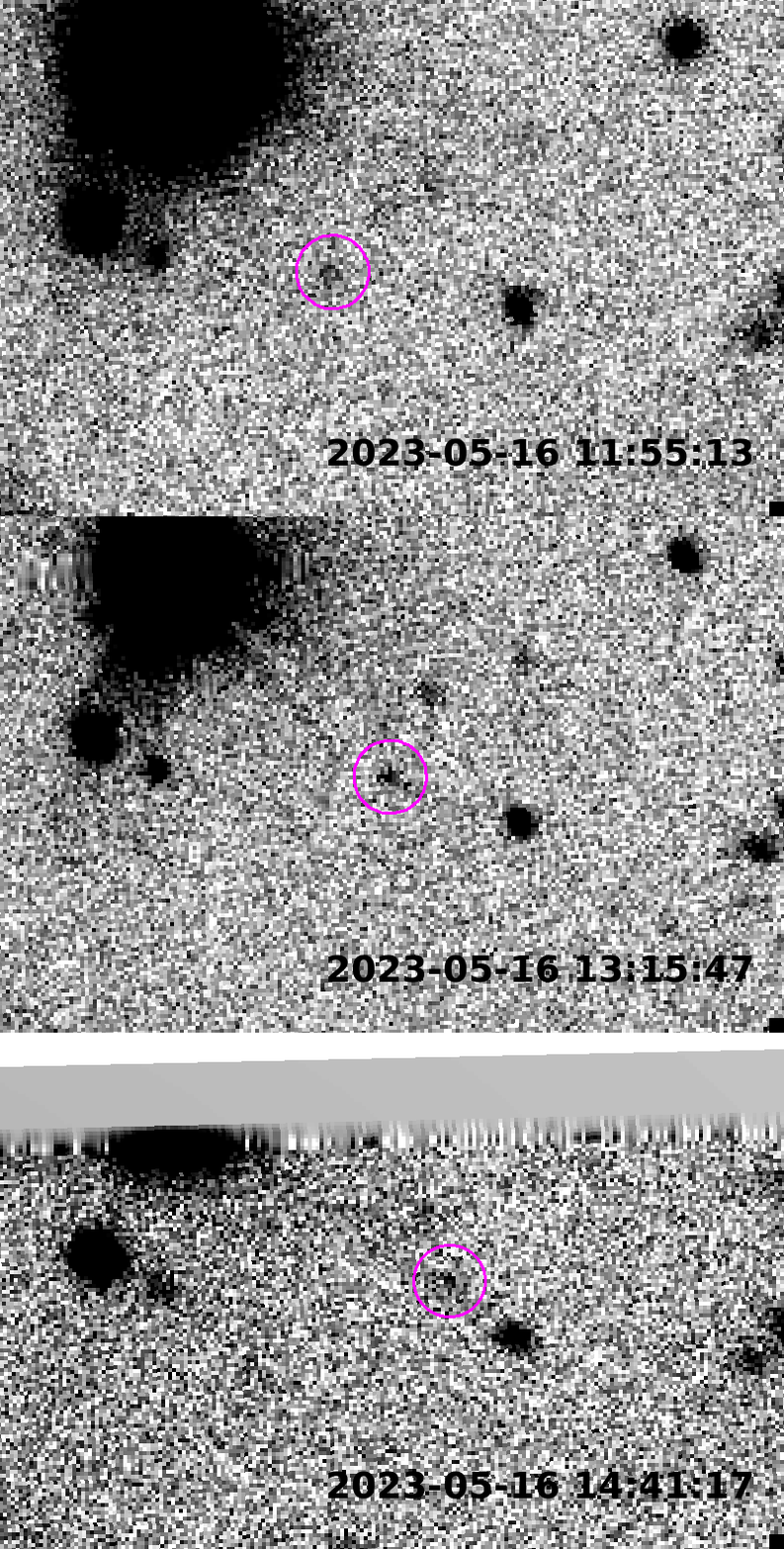
Distance could explain why it has escaped notice, since an object that far out receives little sunlight and reflects only a faint glimmer back. The new model does not say where to point a telescope, but the Vera C. Rubin Observatory's decade-long sky survey could search for the planet and find more distant objects whose orbits would put the idea to the test.