U.S. Jet Disables Ship Leaving Iran as Trump Says War Ends When He Wants
Central Command says a military aircraft struck the stern of the Palau-flagged Pacific Archer after it ignored warnings and tried to run the American blockade. The civilian crew was unharmed.
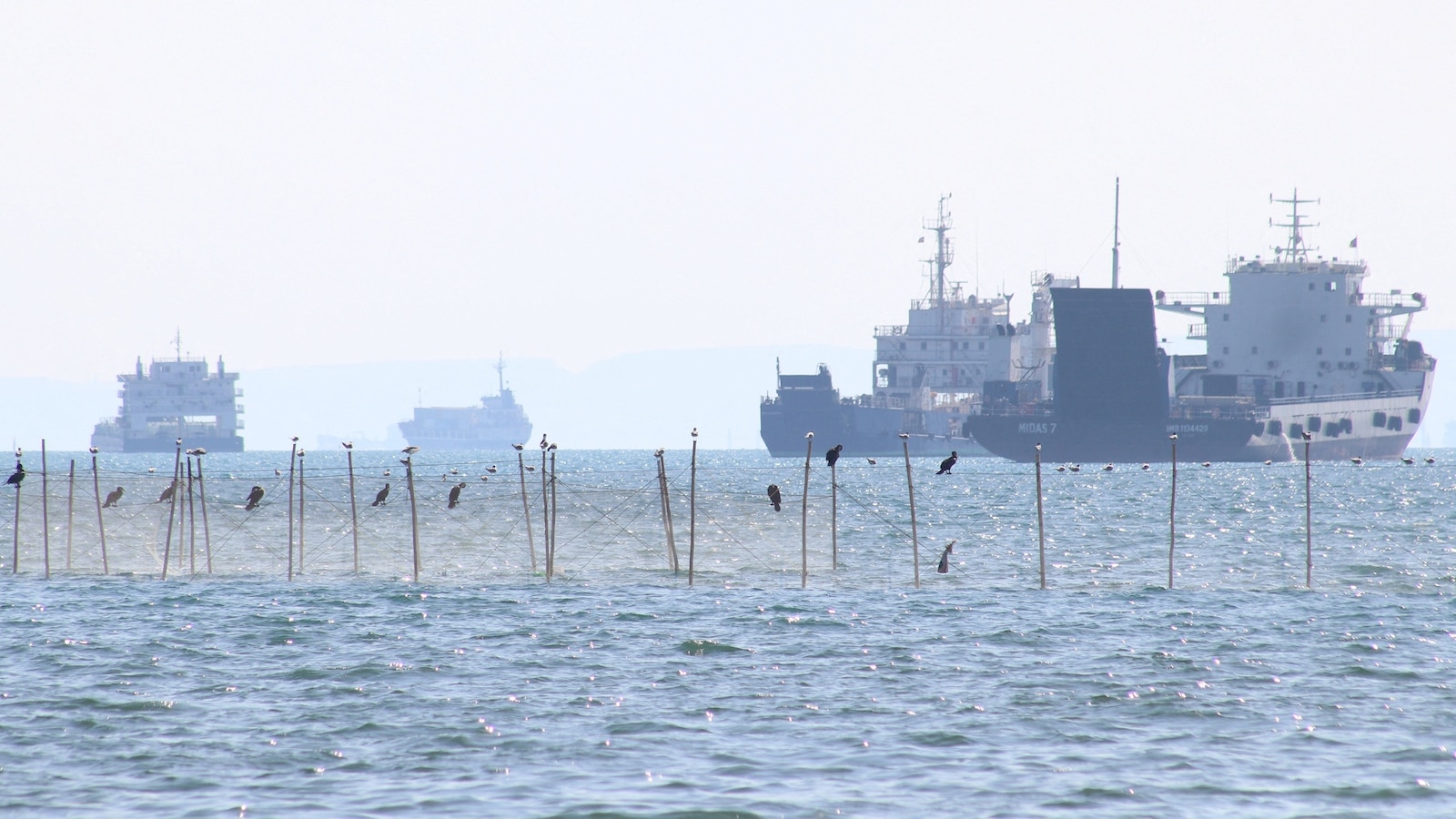
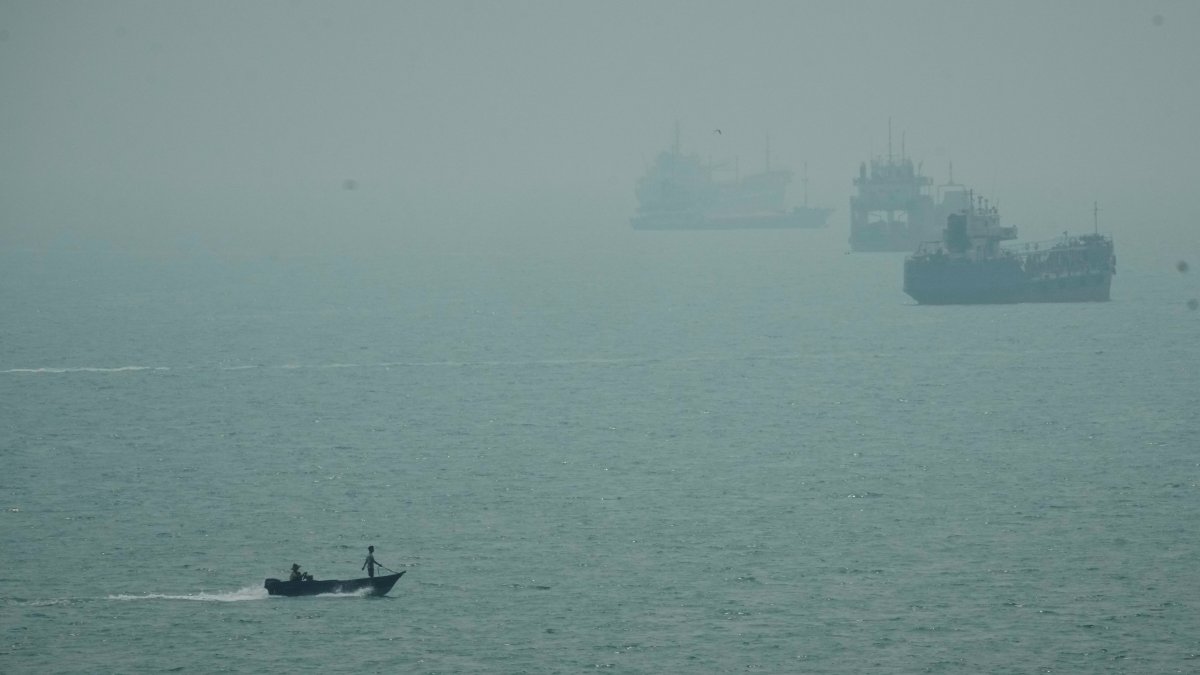
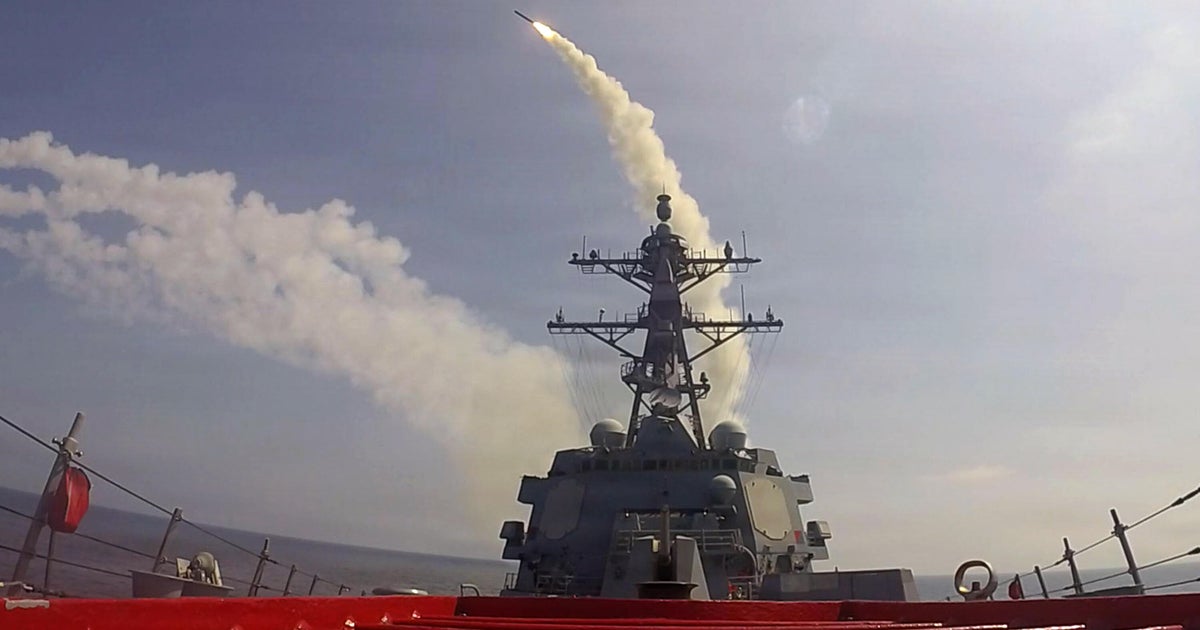
The U.S. military disabled a commercial cargo ship in the Gulf of Oman that it says was trying to run the American blockade of Iranian ports, U.S. Central Command said Friday.
A military aircraft fired precision munitions at the stern of the M/V Pacific Archer, a Palau-flagged bulk carrier, on Thursday, according to Central Command. The strike knocked out the vessel's propulsion. The command said the civilian crew was not hurt.
The ship had left the Iranian port of Bandar Abbas before attempting to pass through the blockade, and U.S. forces issued repeated warnings before opening fire, the military said. Ship-tracking websites listed the vessel's destination as Singapore.
The Pacific Archer is at least the 15th vessel the military has publicly said it disabled since the blockade began in the spring, and the sixth since it resumed in July. The blockade started in April, was lifted over the summer during peace talks with Tehran and was then restored. Since July, U.S. forces say they have redirected 158 merchant ships that complied with their instructions.
The practice has drawn international criticism. In June, a U.S. strike on the Palau-flagged tanker Settebello killed three Indian sailors, officials in India said at the time, and the head of the United Nations' International Maritime Organization condemned the attack. Central Command has consistently said its forces give multiple warnings before firing on merchant ships.
The enforcement action came as President Donald Trump marked Thanksgiving at Mar-a-Lago with a call to deployed troops and took questions about the war. Asked about its end, Trump suggested the timing was up to him, saying it would be over "sort of whenever I want it to be." He also said the United States was giving Iran every chance to make a deal.
Talks between Washington and Tehran remain stalled despite a memorandum of understanding signed in June that was meant to end the conflict, which began in February with joint American and Israeli strikes on Iran. The two sides have continued to exchange fire, though not at the intensity of the war's early weeks.
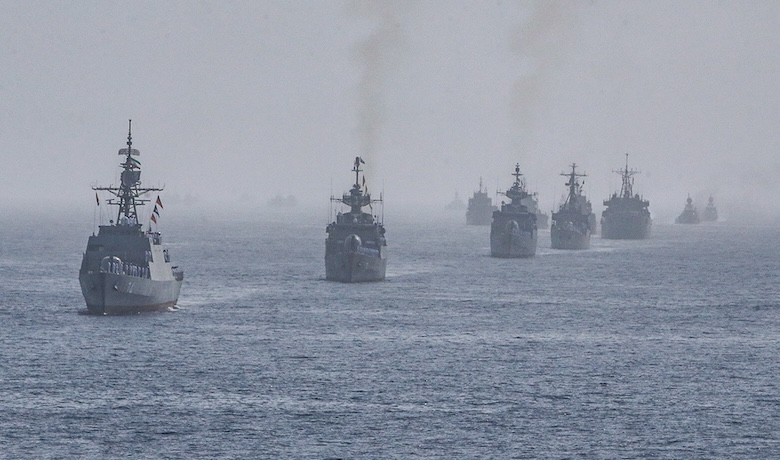
Iran continues to claim control of the Strait of Hormuz. On Friday, its Revolutionary Guard said another tanker had caught fire after hitting a mine while using what it called an unauthorized route, a claim that independent maritime agencies had not immediately confirmed. The intelligence firm Kpler reported that transits through the strait have fallen this month, to 147 journeys in the week ending Nov. 23 from 217 at the start of November.
Tensions also rose across the Gulf. Kuwait summoned Iran's ambassador Friday and delivered a formal protest over a drone attack that killed two Italian nationals a day earlier. Iran's armed forces have denied carrying out any operation against Kuwait.