Iran Says Drones Hit a US Radar in Bahrain; the Pentagon Says No
The Revolutionary Guard claimed a second attack on Bahrain's Riffa Air Base, tankers are hitting mines in the Strait of Hormuz, and Trump says the US doesn't need a deal.
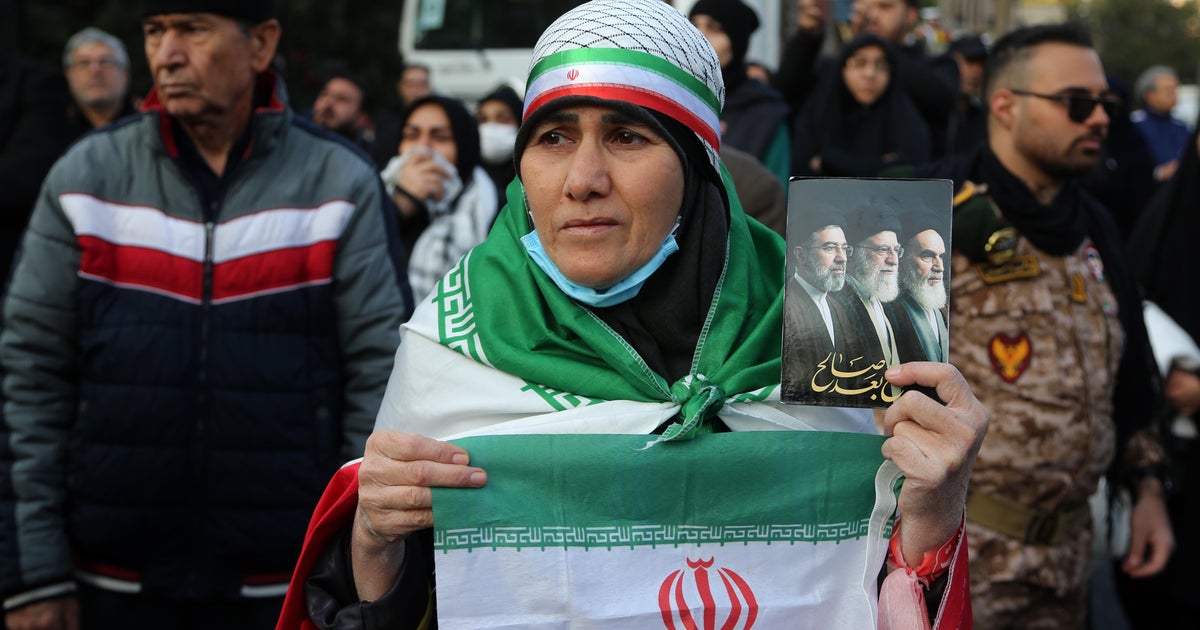
Iran's Revolutionary Guard said Sunday it launched six drones at a US air defense radar at Bahrain's Riffa Air Base, the second claimed strike on American assets in the Gulf kingdom in three days. Bahrain said its air defenses stopped several Iranian aerial attacks, and the US military had not commented on the Sunday claim by early afternoon.
Bahrain's Interior Ministry issued two alerts within about three hours, the first around 4:30 a.m. local time, warning of a "potential threat" and urging residents to seek shelter. On Friday, the Guard claimed it destroyed a US early-warning radar in Bahrain in retaliation for an air attack on a telecommunications tower in southern Iran. US Central Command denied that, saying it shot down two Guard drones with no injuries or damage. Reuters reported the Friday claim was the first Iranian assertion of an attack on US military assets in a Gulf country since early September.
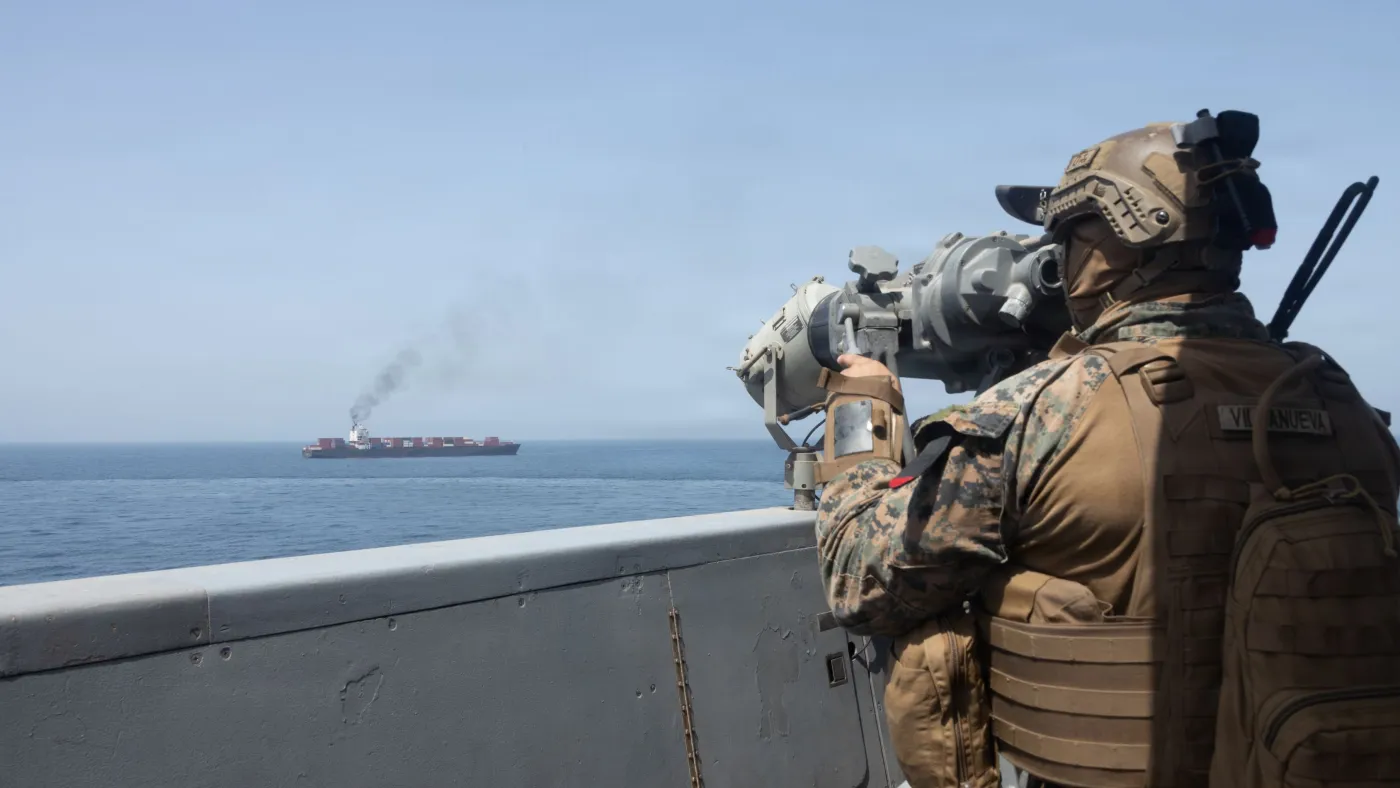
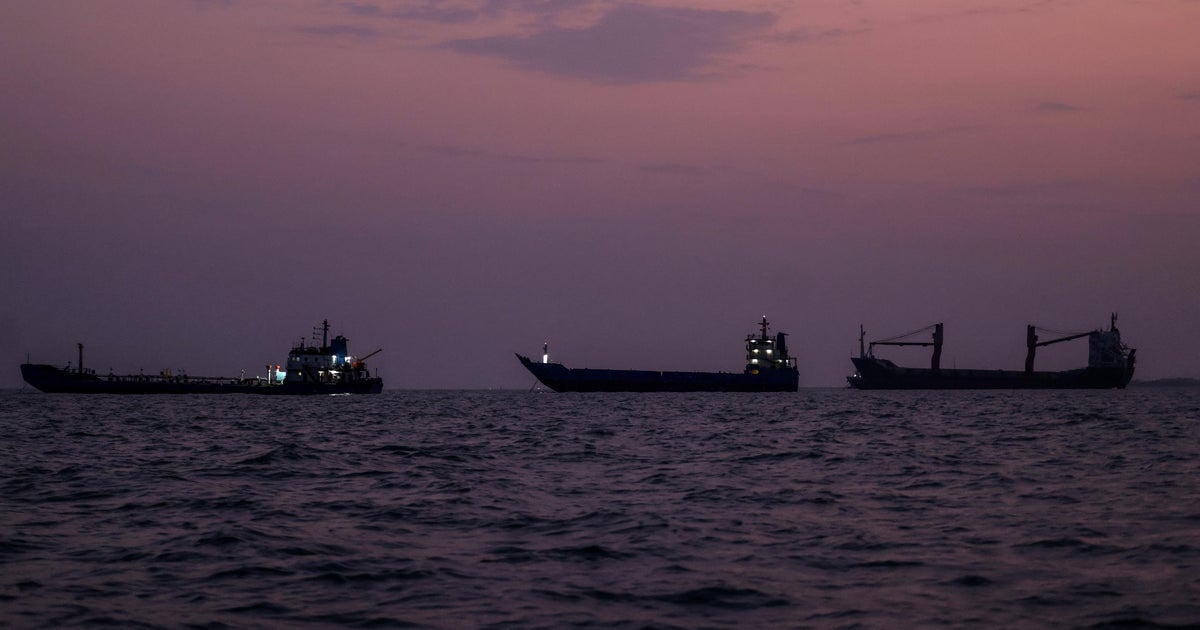
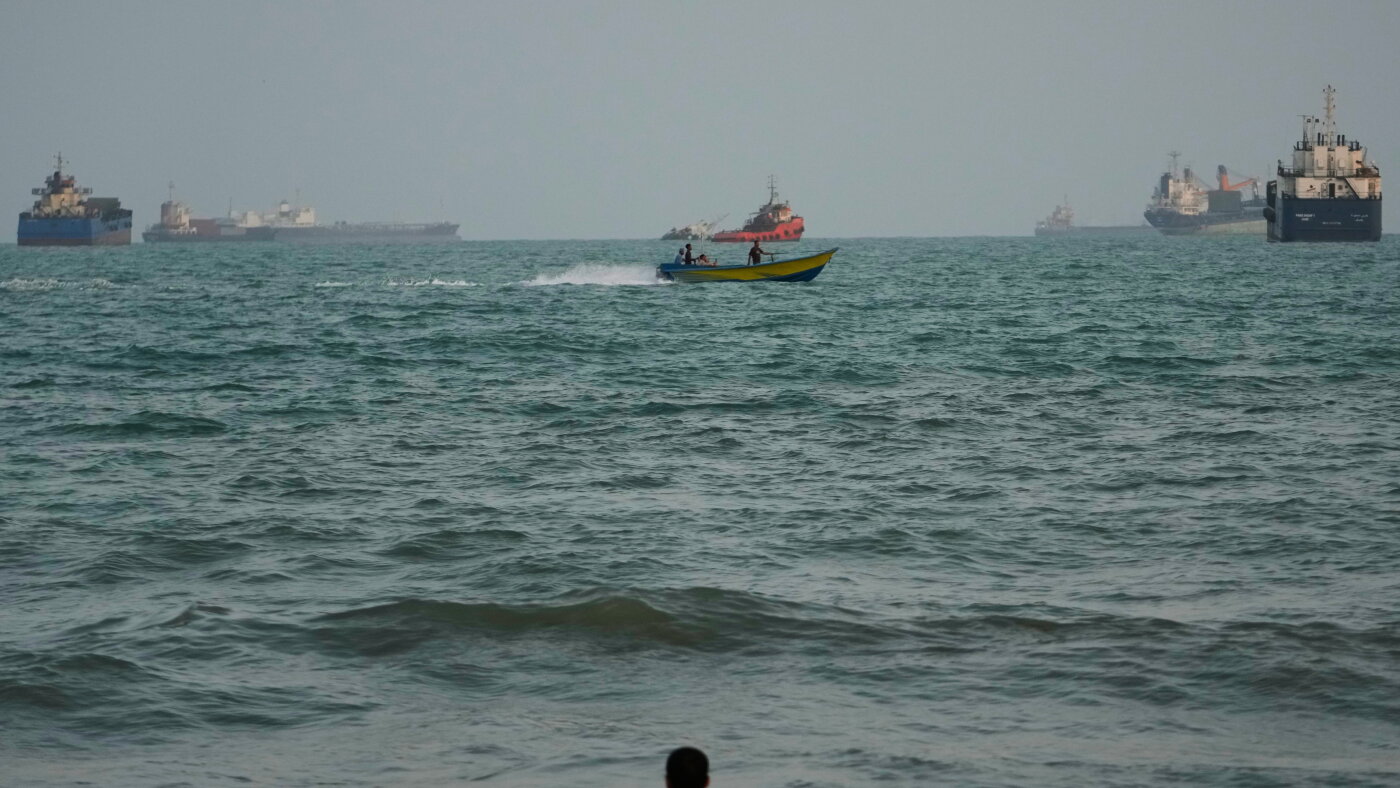
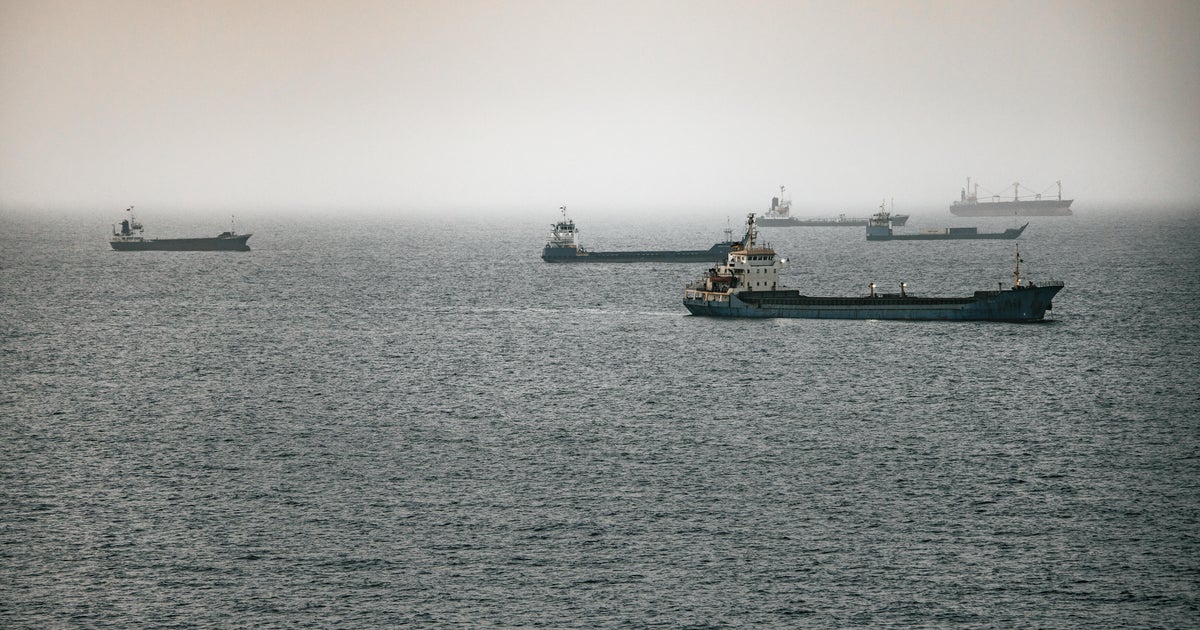
The Strait of Hormuz remains the other flashpoint. The Guard's navy said two oil tankers hit sea mines on Saturday while taking what it called an "unauthorized" route with their tracking systems switched off, and that two other tankers turned back after warnings. Iran says it has "full control" of the strait and that only Iran and Oman have the right to govern it. The United States rejects that. The US military says it has cleared the main shipping routes of mines, and Iran's claims could not be independently verified.
President Trump said the US does not need a deal with Iran and suggested the war is militarily effectively over. Treasury Secretary Scott Bessent, who moved to a military base after death threats, said the sanctions campaign is working. The war began February 28, and Trump has predicted its end many times since. Iran's chief negotiator, parliamentary speaker Mohammad Bagher Ghalibaf, said Tehran wants to move beyond a state of "no war, no peace." Iran has sent seven conditions through a Qatari mediator, including lifting the US naval blockade and sanctions, releasing frozen funds and formally ending the war. Foreign Minister Abbas Araghchi has said Hormuz could reopen within two days if the demands are met.
The nuclear question is unresolved. The International Atomic Energy Agency says it has no access to an underground enrichment facility at Isfahan and does not know whether it holds nuclear material. Iran has refused inspections, and Israeli Prime Minister Benjamin Netanyahu said Iran must be stopped from reviving its nuclear program "once and for all."
A separate dispute is brewing at home. Army Maj. Stephen Ramsbottom, a survivor of the March 1 Iranian drone attack that killed six US soldiers at Port Shuaiba in Kuwait, filed a whistleblower complaint with Congress. He alleges senior officials ignored warnings and planned poorly for anti-drone defenses.
Oil markets are watching. Brent crude was near $96 a barrel, and the International Energy Agency reported that global oil supply exceeded demand for the first time since the war began. A Pentagon inspector general report from September found Iranian attacks had damaged or destroyed buildings at US installations in eight countries, including Bahrain, during the war's first four months. Manama hosts the US Navy's Fifth Fleet.
Saeid Golkar of the University of Tennessee at Chattanooga told Al Jazeera that both sides may prefer to avoid a full-scale war, "but the danger lies in miscalculation." Iran has told the UN Security Council it will respond immediately to any renewed US or Israeli attack.