UN Investigators Counted Up to 2,000 Colombian Contractors Flying Drones for Sudan's RSF
A UN fact-finding mission reported Thursday that foreign recruiters, logistics firms and weapons suppliers running through Colombia and the UAE have transformed the Rapid Support Forces into a drone army. It found conduct in El-Fasher displaying what it called hallmarks of genocide.
The UN Independent International Fact-Finding Mission for the Sudan released a report on Thursday describing something more organized than the freelance arms smuggling that has fed Sudan's civil war for three years: a transnational supply chain of recruiters, private companies and logistics firms that has been feeding foreign personnel and advanced weapons into the paramilitary Rapid Support Forces. The mission documented the deployment of up to 2,000 former Colombian military contractors who were directly involved in operating combat drones, artillery and other advanced systems alongside RSF units in Darfur and Kordofan.
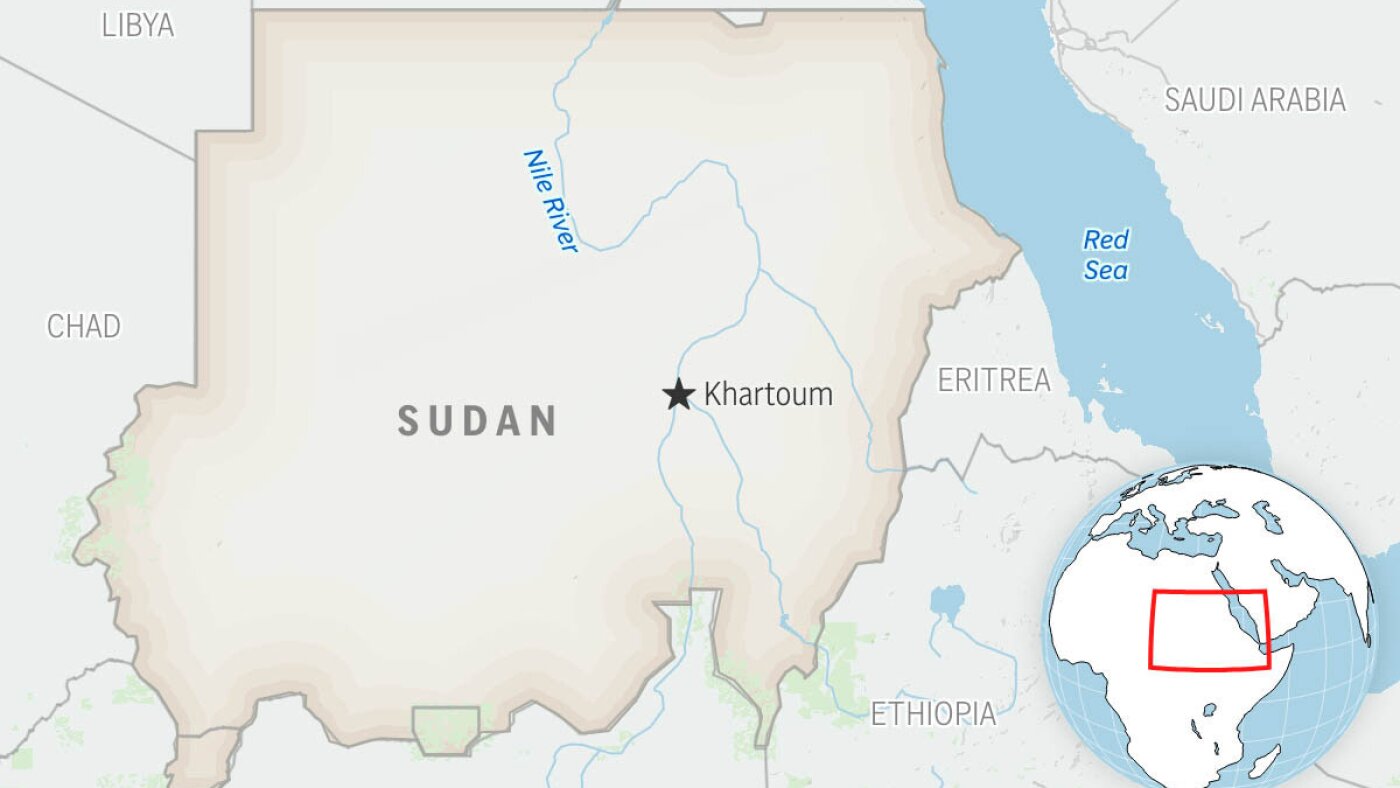
The routes are specific. The mission concluded there are reasonable grounds to believe that private entities, logistical facilitators and recruiters operating from countries including Colombia and the United Arab Emirates used transit points in Chad, in southeastern Libya, and in the Somali port city of Bosaso to move people, training, weapons and supplies to the RSF. It also found that the Sudanese Armed Forces, the RSF's opponent, used foreign-supplied drones in operations that harmed civilians and civilian objects. Foreign suppliers, the report says, have substantially expanded the drone reach of both sides, letting each strike far beyond its front lines.
"The consequences of this external support are being felt most acutely by civilians," said Mohamad Chande Othman, who chairs the mission. "This external support has not brought greater protection for civilians. Instead, civilians are paying the price through attacks on homes, hospitals, schools, markets and places of refuge." The mission attributed more than 1,000 civilian deaths to drone strikes between January and May of this year alone, and found reasonable grounds to believe those attacks constitute serious violations of human rights law and international humanitarian law that may amount to war crimes.
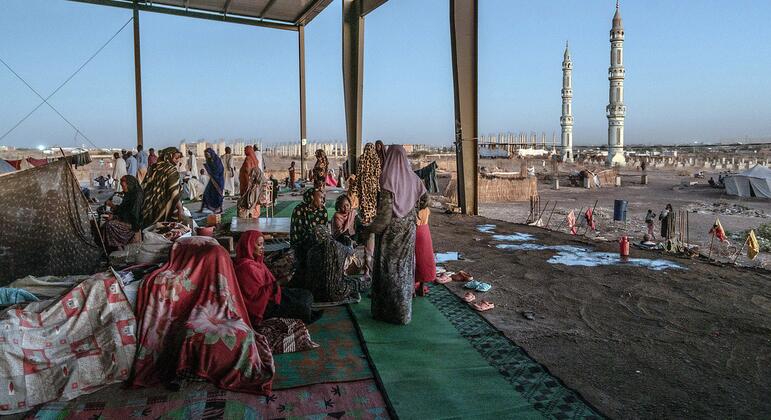
Mona Rishmawi, an expert member of the mission, tied the pipeline directly to the war's worst episodes. She said investigators identified "a transnational chain of networks spanning several countries" supplying the RSF with foreign personnel, training, weapons and logistics. "This support fed into RSF operations in Zamzam camp and later during the takeover of El-Fasher, where the Mission documented grave human rights and international humanitarian law violations and international crimes, including conduct displaying hallmarks of genocide," she said.
The mission's recommendations are aimed less at the fighters than at the countries the supply chain passes through. It called on states to enforce the existing arms embargo on Darfur, halt military transfers where there is a substantial risk they will contribute to serious violations, investigate the individuals and companies running the networks, and shut down mercenary recruitment operating from or through their territory. It also urged the Security Council to extend the arms embargo to cover all of Sudan rather than Darfur alone. Othman noted that the international community has received repeated warnings about the war's trajectory, and that the warnings have not yet been translated into action.