
Science
AI Could Speed the Hunt for New Physics Tenfold — but Scientists Found a Catch
Transfer learning slashes the cost of cosmological simulations, yet a Princeton team warns the same shortcut can trick AI into missing real discoveries.
Topic
11 stories from Planck Standard. Latest: July 4, 2026.
Transfer learning slashes the cost of cosmological simulations, yet a Princeton team warns the same shortcut can trick AI into missing real discoveries.

McGill physicists forced electrons through an atom-thin crystal near absolute zero and got precise bursts of quantum 'sound' — in a regime existing theory says should stay silent.
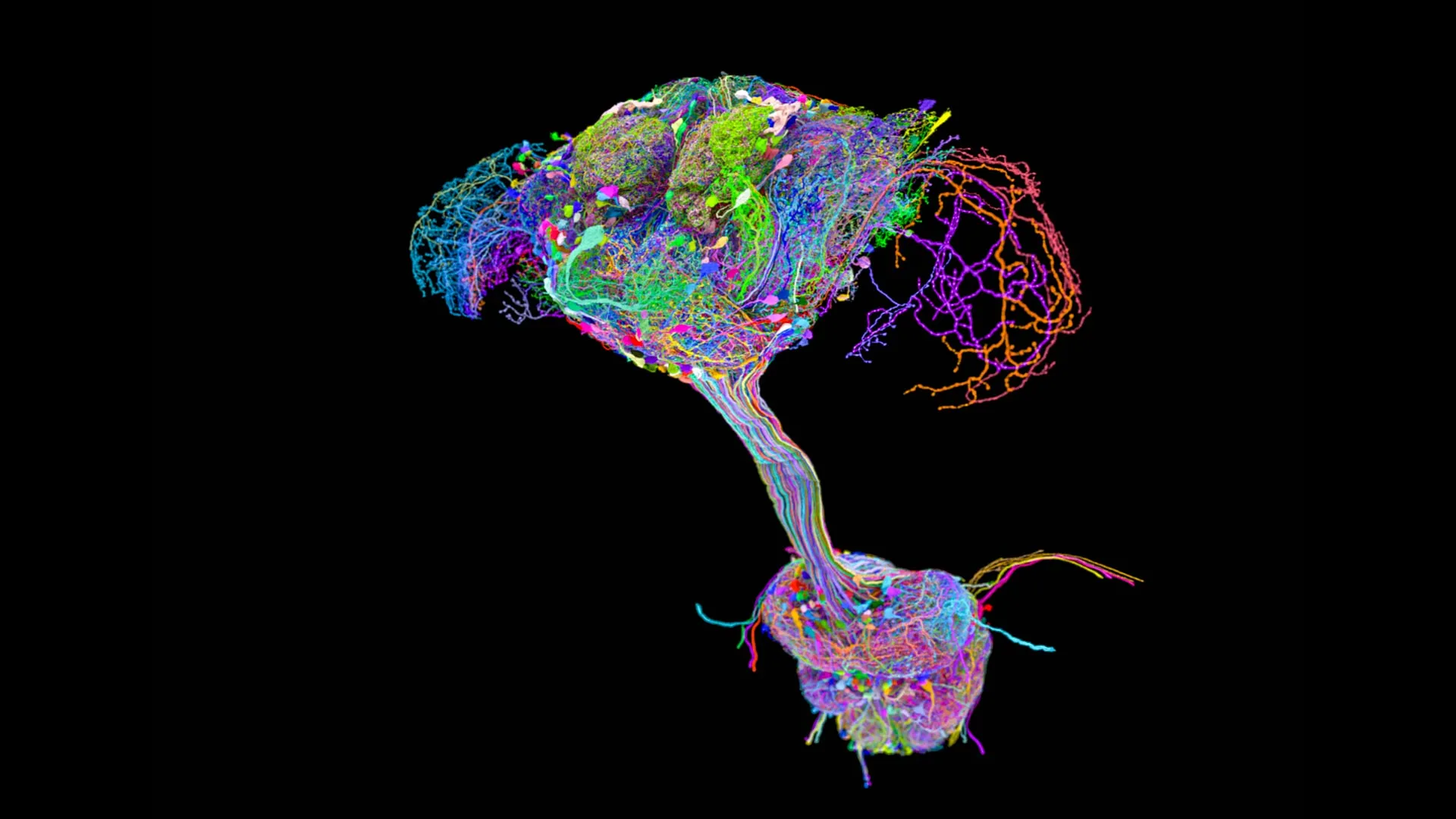
Groundbreaking connectome study shows complex behaviors emerge from distributed local circuits rather than central brain control, challenging assumptions about how nervous systems work.
Groundbreaking connectome of 160,000 neurons suggests complex behaviors emerge from distributed local circuits rather than centralized brain control, offering new clues about how nervous systems work.

Despite widespread artificial intelligence-driven cheating, peer reporting remains virtually nonexistent at prestigious institutions.

Researchers at PPPL discovered that plasma rotation — not just cross-field particle drifts — explains why tokamak exhaust hits one side far harder than the other, a finding critical for designing divertors that can survive in working power plants.
Researchers found that the spinning motion of plasma inside a tokamak — not just cross-field particle drift — drives the stubborn exhaust asymmetry that has defied simulation for decades, clearing a key path for commercial fusion.

Plasma spinning at 88.4 kilometers per second was the overlooked factor that explains why tokamak divertors wear unevenly — a fix that could affect the design of every future fusion reactor.

Breakthrough discovery reveals how plasma rotation creates uneven particle distribution in tokamaks, finally matching experimental data with computer models.

Researchers finally explain why tokamak exhaust systems show uneven particle distribution, breakthrough could improve future reactor design.
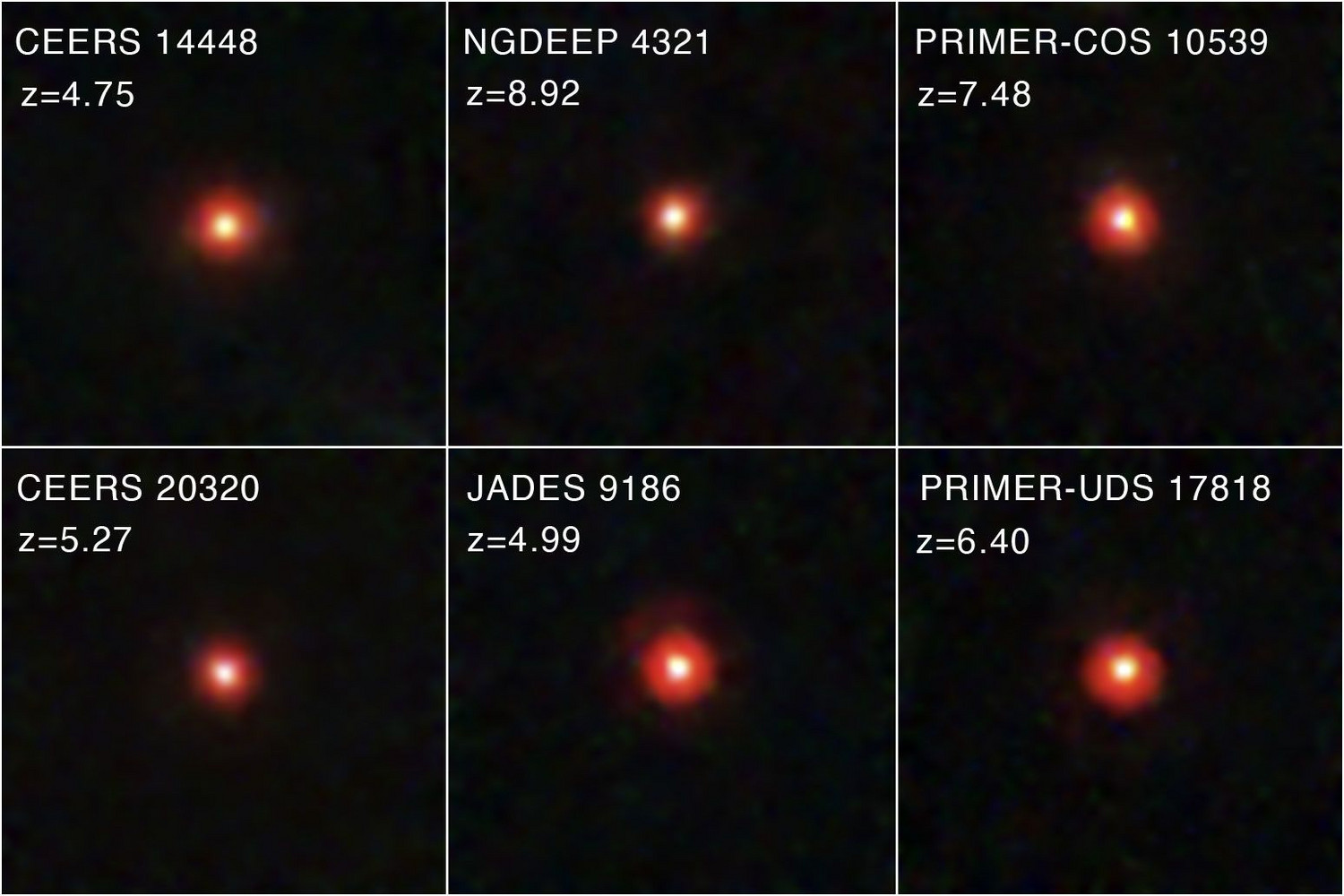
Appearing in nearly every deep-field image since Webb launched, hundreds of mysterious luminous objects in the early universe remain unexplained despite hundreds of scientific studies — and may force a rethink of how the first black holes formed.