AI Cheating Epidemic Hits Elite Universities as 30% of Princeton Students Admit to Academic Dishonesty
Despite widespread artificial intelligence-driven cheating, peer reporting remains virtually nonexistent at prestigious institutions.
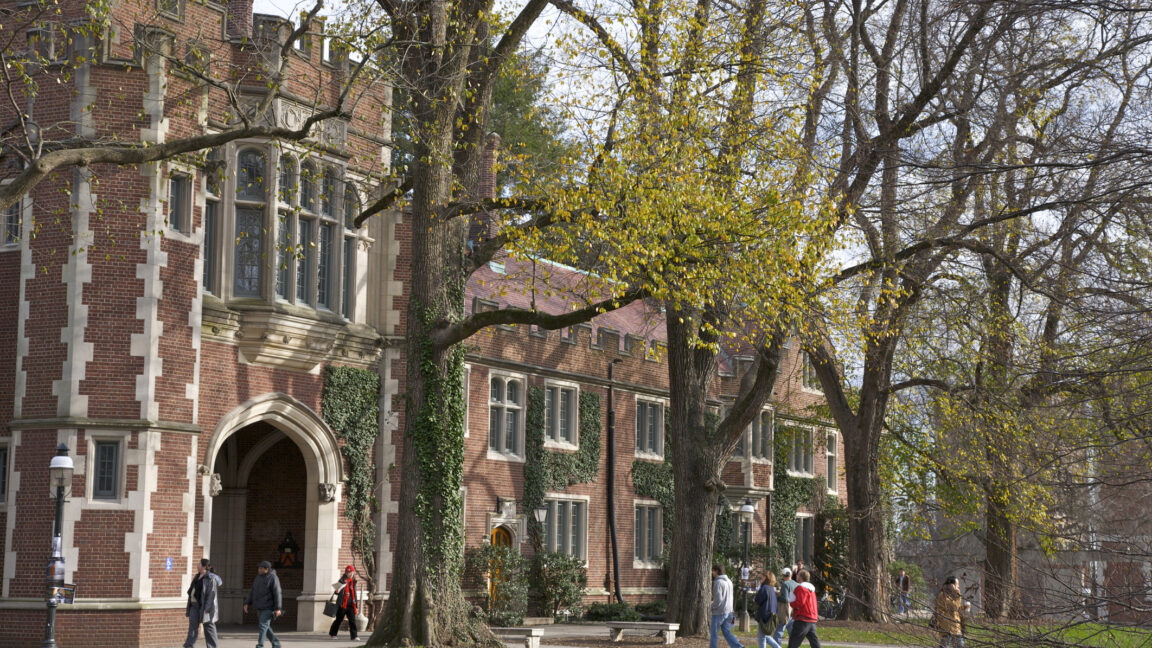
Artificial intelligence has infiltrated elite academic institutions, with new data showing that approximately 30% of students at Princeton University have engaged in AI-driven cheating, highlighting a growing crisis in academic integrity that extends far beyond individual schools. The widespread adoption of AI tools for academic dishonesty represents a fundamental shift in how students approach learning and assessment, creating unprecedented challenges for educators and administrators at even the most prestigious universities. Despite clear evidence of rampant cheating, peer reporting of violations remains virtually nonexistent, suggesting a cultural shift in student attitudes toward academic integrity.
The Princeton findings reflect a broader trend affecting universities nationwide, where sophisticated AI tools have made academic dishonesty easier and harder to detect than ever before. Unlike traditional forms of cheating that required coordination between students or access to prohibited materials, AI-powered academic dishonesty can be conducted individually and often leaves few obvious traces. Students can use advanced language models to generate essays, solve problem sets, and even create citations, making detection extremely difficult for faculty members who may lack the technical expertise to identify AI-generated work.
The reluctance of students to report their peers' AI cheating represents a significant departure from traditional honor codes that rely on community self-policing. This cultural shift suggests that students may view AI assistance as a gray area rather than clear-cut academic dishonesty, or they may be reluctant to report violations when such behavior has become so widespread. The normalization of AI use in academic settings has blurred the lines between acceptable assistance and prohibited cheating, creating confusion about where legitimate help ends and academic dishonesty begins.
Educational institutions are struggling to adapt their policies and detection methods to address AI-powered cheating effectively. Traditional plagiarism detection software often fails to identify AI-generated content, and many professors lack the training needed to recognize subtle signs of artificial intelligence assistance. Some universities have begun implementing AI detection tools, but these technologies often produce false positives and may not keep pace with rapidly evolving AI capabilities. The challenge is compounded by the fact that AI tools are becoming increasingly sophisticated and difficult to distinguish from human-generated work.
The implications of widespread AI cheating extend beyond individual academic institutions to questions about the fundamental purpose and value of higher education. If students can easily circumvent traditional assessments using artificial intelligence, educators must reconsider how they measure learning and whether current evaluation methods remain relevant in an AI-dominated world. The crisis forces universities to confront whether they should adapt their teaching methods to incorporate AI tools constructively or develop more sophisticated methods to prevent their misuse in academic settings.