New York City Is Switching Off AI for 600,000 Students. Even the Reading Software Loses Its Brain
Mayor Zohran Mamdani announced a one-year ban on student-facing generative AI from pre-K through eighth grade, plus hard screen-time caps. The city is disabling AI features inside 38 ed-tech contracts to enforce it.

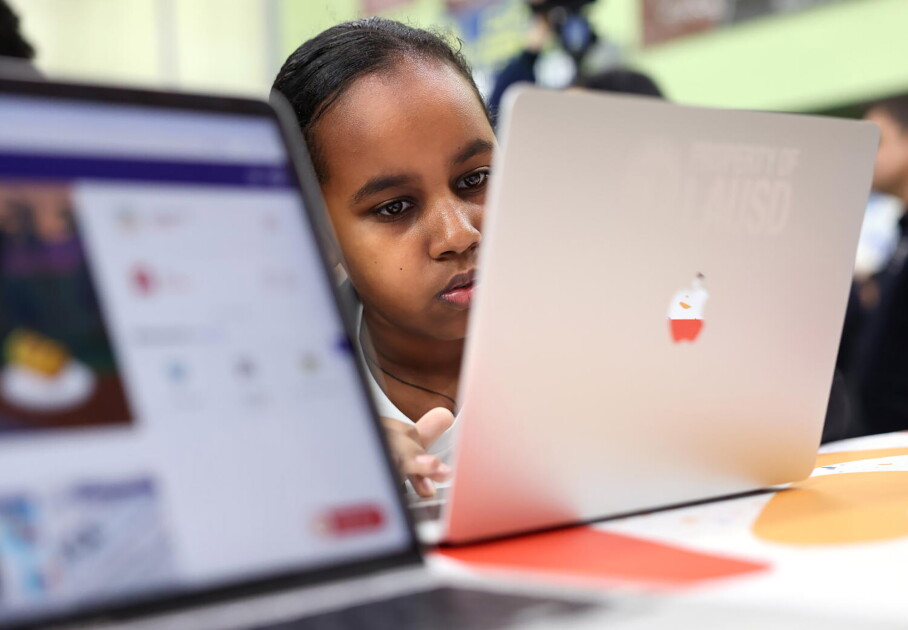
Mayor Zohran Mamdani announced on Wednesday that New York City Public Schools will bar student-facing generative AI tools from 2-K through eighth grade for at least the coming school year, a moratorium the administration describes as the broadest in the country. The policy lands eight days before classes begin and covers roughly 600,000 children, about two-thirds of the district's enrollment. Chatbots, AI tutors and similar tools are off limits for those grades regardless of who supplies them.
The screen-time half of the guidance is nearly as sweeping. Schools may not issue individual devices at all to students from pre-K through second grade, though classrooms can still use smart boards. Students in grades three through five are capped at 30 minutes of individual device time a day, and middle schoolers at 45 minutes. High schools were left without a numeric limit.
Enforcing the AI ban means reaching inside software the city already pays for. The education department is disabling generative AI features across 38 citywide contracts, and where a feature cannot be switched off the district says it will drop the tool entirely. That sweeps in products teachers have built routines around, including Amira, a digital reading tutor used in 222 schools, and HMH's Into Reading, part of the mandated literacy curriculum. Advocates say Google's Gemini will be shut off on student Chromebooks as well. The city has not released the full list of affected vendors.
High schoolers get a narrow carve-out. Five approved pilots — Quill, Edia, Brisk Teaching, Playlab and Intel's AI-Ready Schools — may reach a maximum of 50,000 students, roughly 17 percent of the city's high school population. Every high school student will also be required to complete two 45-minute AI literacy modules a year. Teachers, meanwhile, may use AI to plan lessons, translate materials and draft messages to families, but are barred from using it to grade work, monitor student behavior, write special education plans or handle anything touching mental health.
The obvious question is who polices it. Chancellor Kamar Samuels acknowledged that enforcement "will have to happen at the classroom and school level," resting on teachers, principals and superintendents rather than any central monitoring system. United Federation of Teachers President Michael Mulgrew warned that educators will end up learning what compliance means "after the fact." Richard Buery, a former deputy mayor, called a blanket ban with so few exceptions disruptive. The counterargument from City Hall is simpler: the district would rather be a year late to classroom AI than a year early.