Sweden Moves to Ban Mobile Phones in Schools, Citing Falling Reading Scores
The ban is set to take effect in the fall for the next academic year. Officials in one of the world's most digitally advanced nations say screen time has eroded students' ability to read and write.

Sweden, long celebrated as one of the world's most digitally advanced societies, is set to ban mobile phones in schools beginning in the fall for the next academic year — a striking reversal for a country that once championed technology in the classroom. Officials say mounting evidence of declining literacy has forced a rethink of how much screen time young students should have.
Since 2023, the center-right coalition government has pursued a policy of prioritizing reading time over screen time, favoring books and other traditional learning tools, particularly for the youngest pupils. The phone ban extends that push from preschools into the broader school system, formalizing limits that some schools have already adopted on their own and giving the policy the force of national law.
Joar Forsell, chairperson of the Swedish parliament's education committee, said the change responds to a worrying trend. Officials have seen a decline in the general ability to read and write in Sweden, he said, especially among younger students — a slide that researchers and educators increasingly link to constant digital distraction and reduced sustained reading. The concern is sharpened by Sweden's reputation: this is a nation that rolled out tablets and laptops in classrooms early and enthusiastically, making its retreat a closely watched case study abroad.
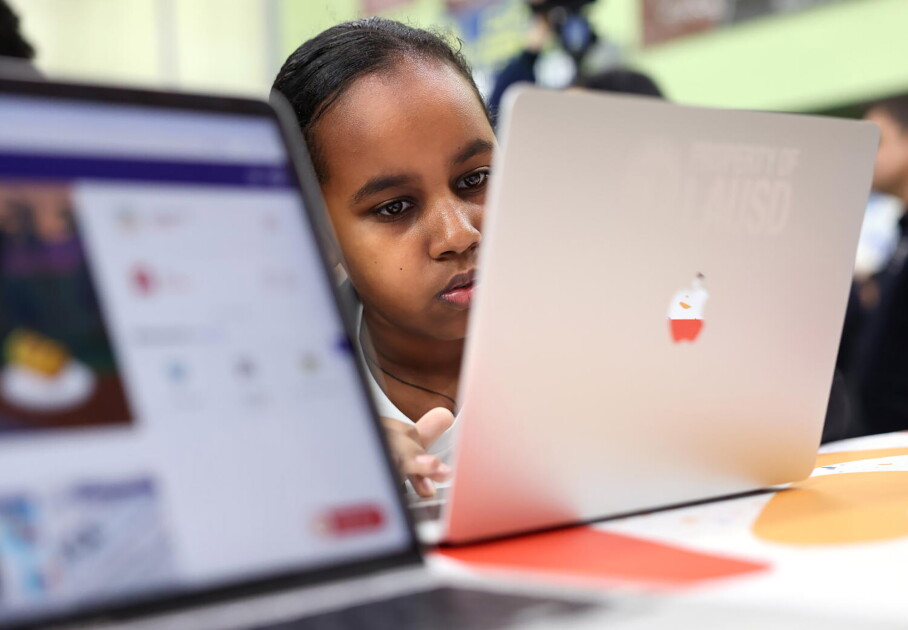
The shift is already visible in some classrooms. At Malmö Borgarskola, a high school in southern Sweden, mobiles are banned during lessons: students deposit their handsets in a box nicknamed the "Mobile Hotel" and collect them at the end of class. Supporters say the approach reduces distraction and helps students focus, while giving teachers a simple, consistent rule to enforce rather than policing screens minute by minute.
Critics of blanket bans argue that phones can be valuable learning tools and that the real challenge is teaching digital literacy rather than confiscating devices. But the political momentum in Sweden has swung decisively toward restriction, reflecting a broader unease among parents and policymakers about adolescents' relationship with screens and social media.
Sweden is not alone in tightening the rules. In the Nordics, Denmark looks set to implement a similar ban, and a law restricting the use of mobile devices in Finnish schools took effect last August. Beyond the region, countries from Spain to South Korea have adopted a patchwork of measures ranging from outright classroom bans to limits on screen-based homework, reflecting a growing global reassessment of phones' place in education — and a willingness to roll back a decade of digital enthusiasm.