A Staten Island Judge Froze Mamdani's Pied-à-Terre Tax and Ordered a Million-Property Tax Roll Pulled Offline
Justice Wayne Ozzi granted a restraining order to three homeowners who say the city wrongly flagged their primary residences. The city appealed within hours, which suspends the order until the appeal is resolved.

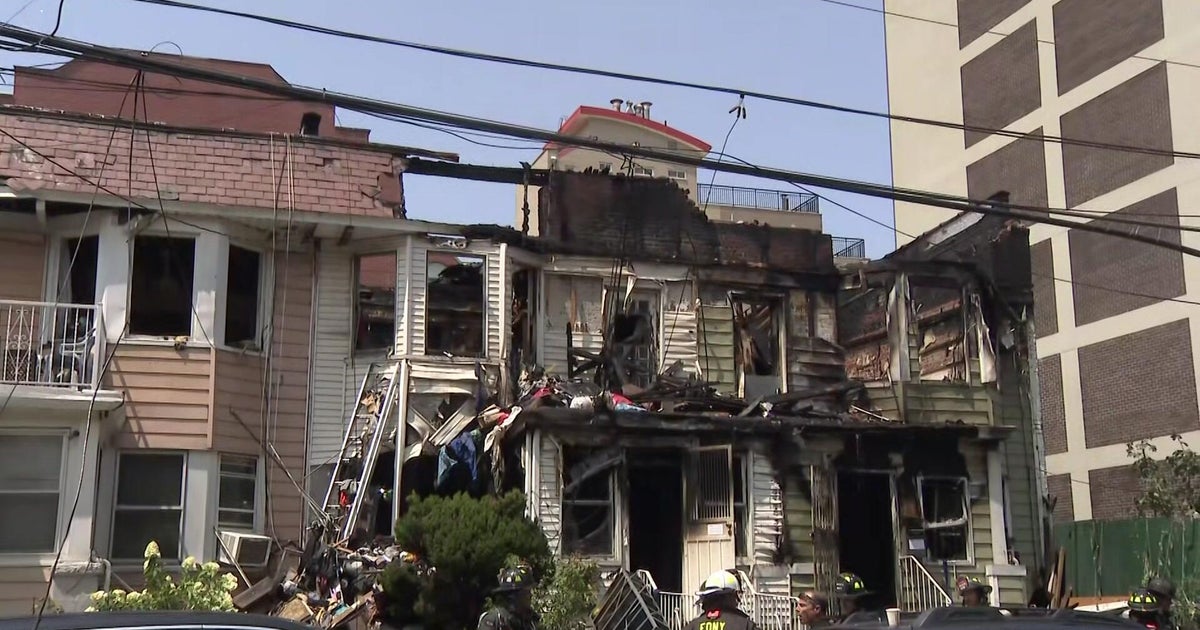
A Staten Island judge on Monday ordered New York City to stop rolling out its new pied-à-terre tax, granting a temporary restraining order in a lawsuit brought by three homeowners who say the city wrongly classified their primary residences as second homes.
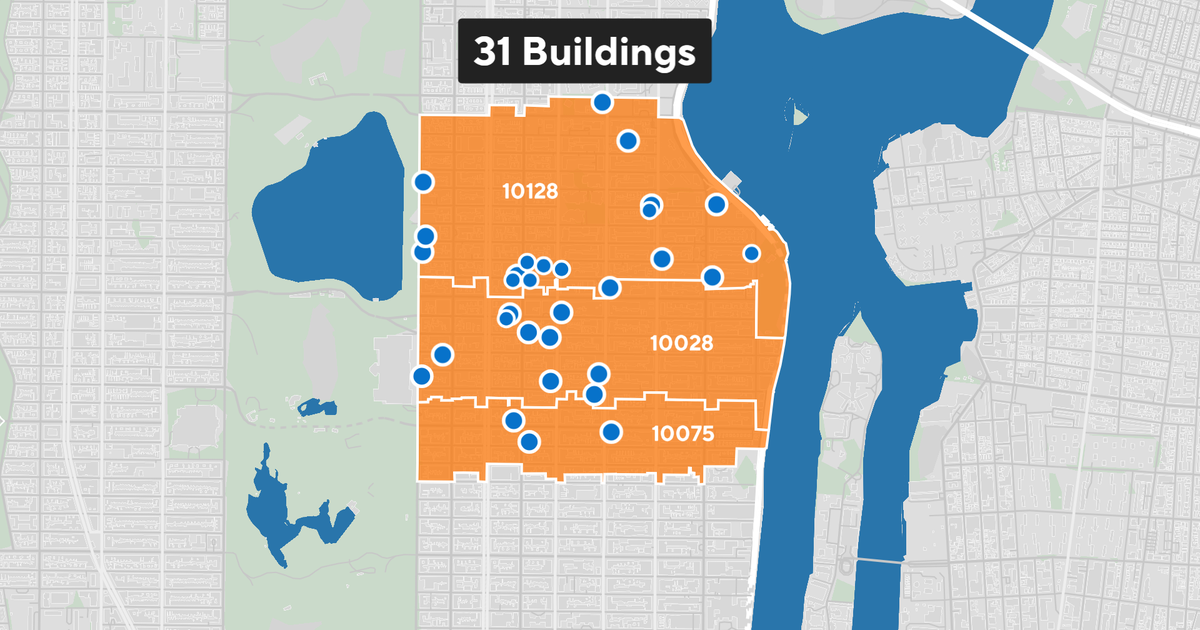
Justice Wayne Ozzi of Staten Island Supreme Court went further than pausing collection. He ordered the city to take down a property tax roll covering nearly one million properties that it had posted online, and he nullified the deadlines attached to the tax, at least while the case proceeds. The next hearing is set for August 31.
The city filed appeal papers within hours. Under New York procedure, that filing automatically stays the judge's order until the appeal is resolved — meaning the practical effect of Monday's ruling is currently suspended, and the tax rollout is in a procedural limbo rather than a clean halt. The administration has said it expects to prevail.
The tax itself was enacted as part of the state budget and signed into law in May. It applies a surcharge to non-primary residences in New York City valued at $5 million or more, and to condominiums and co-ops valued at $1 million or more. It was designed to close a budget gap by reaching owners who hold New York property without living in it — a category that has been a target of city and state Democrats for the better part of a decade, and that Mayor Zohran Mamdani campaigned on taxing.
The lawsuit, filed August 7, was brought by a trio of homeowners including the wife and the father of Republican City Councilmember Frank Morano, who represents parts of Staten Island. They are represented by Randy Mastro, a former deputy mayor and one of the more experienced litigators against city agencies in New York. Their claim is administrative rather than ideological: they say the city's data wrongly identified homes they actually live in as subject to the surcharge.
That is the vulnerability in a tax of this design. Distinguishing a primary residence from a pied-à-terre across roughly a million properties is a records problem, and the plaintiffs are arguing that the city published a roll before it had gotten the records right. If even a small percentage of classifications are wrong, the number of affected owners runs into the thousands — and each of them has standing to sue.
The tax was projected to be one of the more significant new revenue lines in the city's budget. Monday's order does not resolve whether it is lawful. It establishes that the rollout mechanics are now being litigated, in a borough that voted heavily against the mayor, on a schedule the city does not control.