James Webb Telescope's Unexplained 'Little Red Dots' Defy Cosmological Models — and Scientists Are Stumped
Appearing in nearly every deep-field image since Webb launched, hundreds of mysterious luminous objects in the early universe remain unexplained despite hundreds of scientific studies — and may force a rethink of how the first black holes formed.
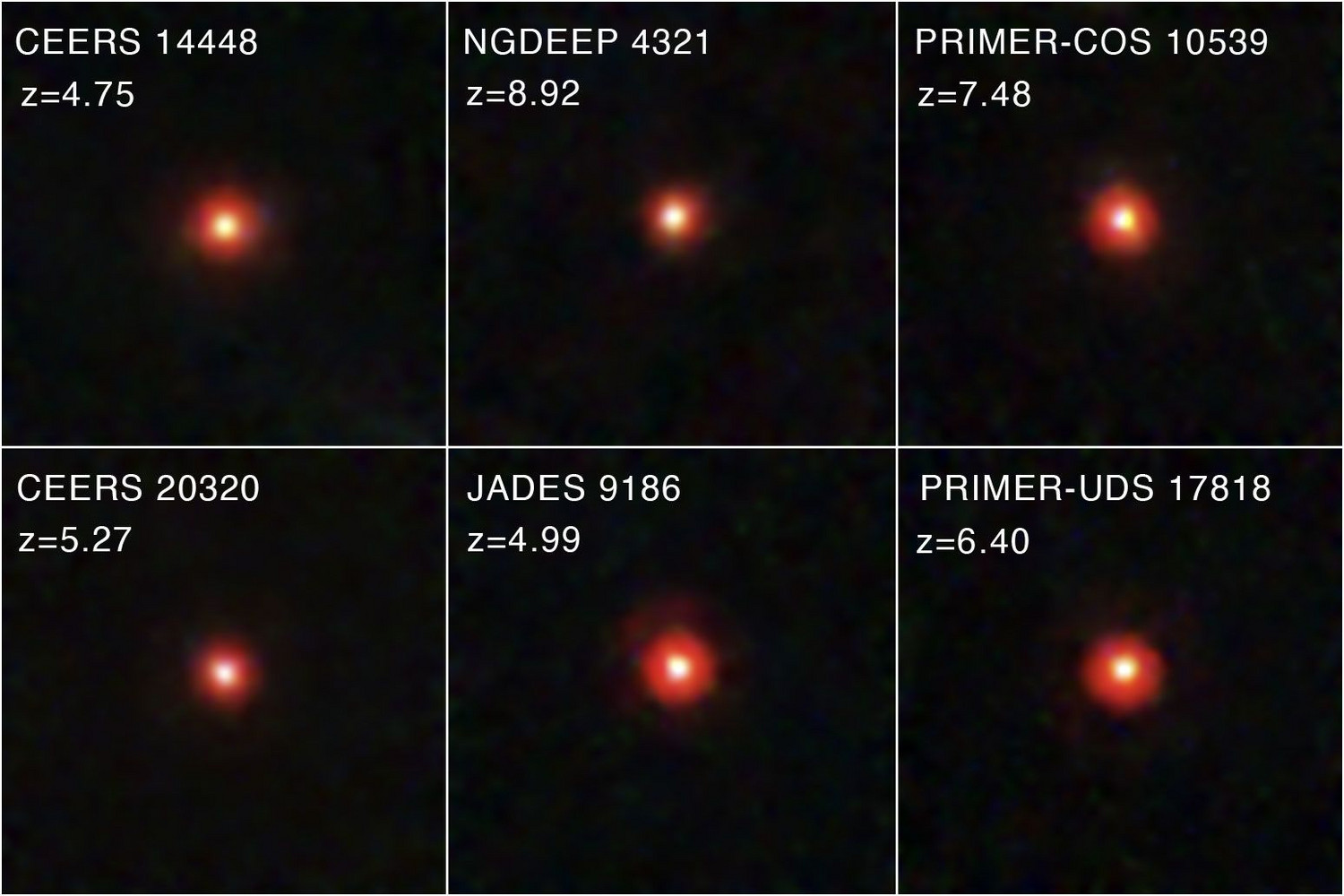
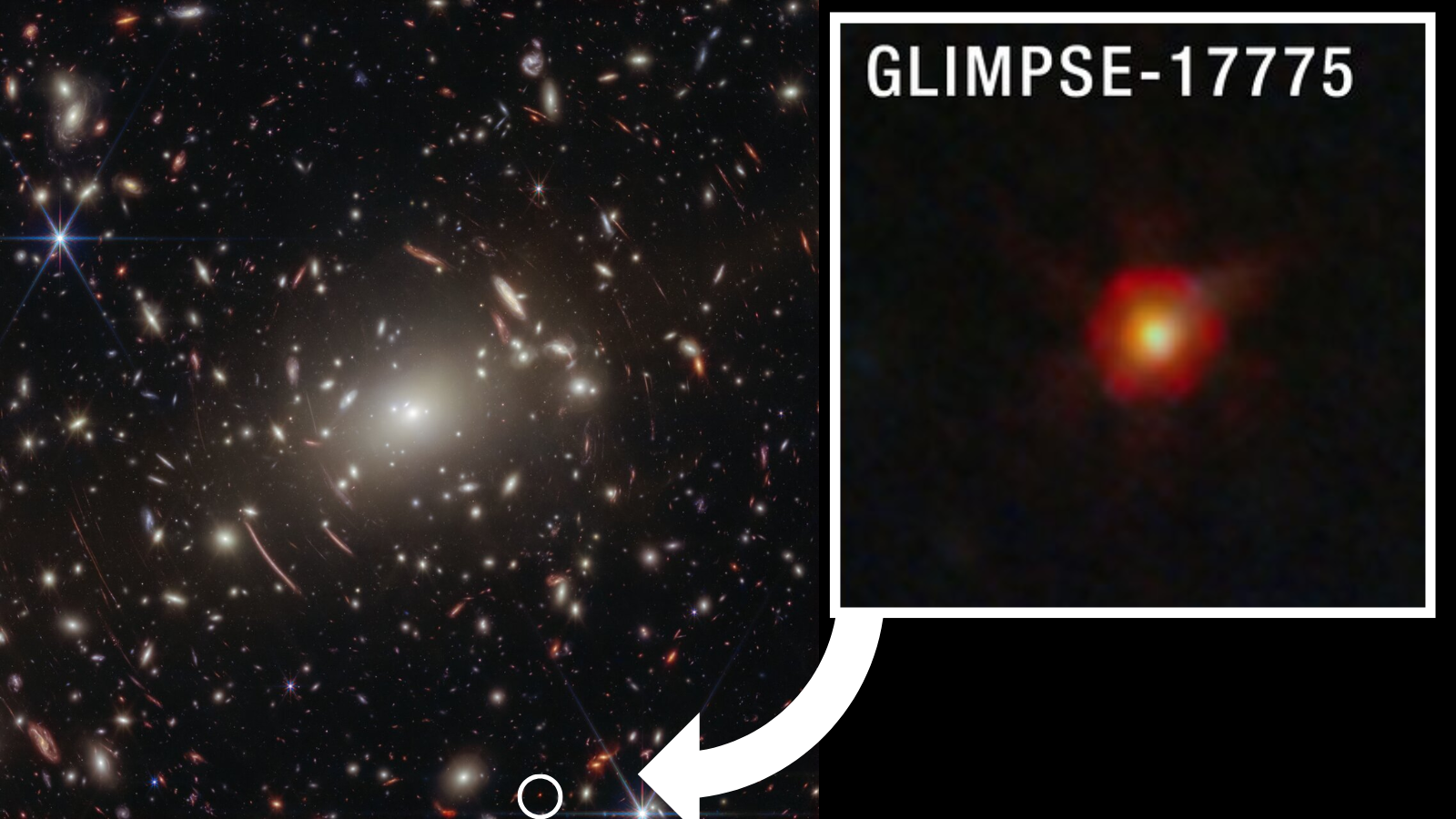
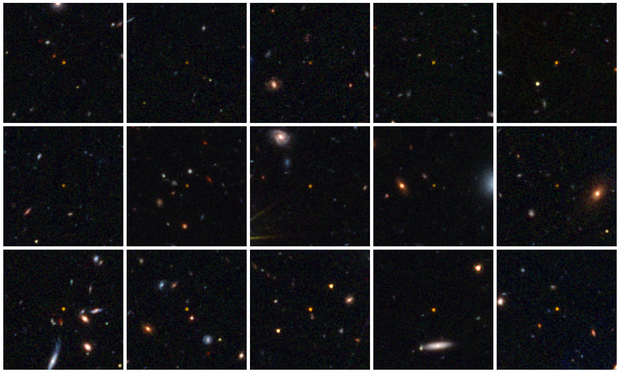
In nearly every deep-field image the James Webb Space Telescope has captured since it began scientific operations in 2022, tiny reddish smudges appear that astronomers cannot fully explain — objects called "little red dots" that are among the most puzzling discoveries of the Webb era and that may fundamentally revise our understanding of how the universe's earliest black holes and galaxies formed. A comprehensive review published in March 2026 by researchers at Princeton University and the Institute of Science and Technology Austria synthesized hundreds of studies and concluded that the mystery is deepening, not resolving.
Little red dots appear red because they exist in the first billion years of the universe's existence — their light has been stretched toward the red end of the spectrum by cosmic expansion over 13-plus billion years of travel. What makes them puzzling is their brightness: they are far more luminous than models of early galaxy formation predict should be possible for objects of their apparent size. The simplest explanation — that they are growing supermassive black holes surrounded by dense, hot gas — struggles to account for all observed properties. Multiple competing theories remain viable.
Jenny Greene, a professor of astrophysical sciences at Princeton who has led several observational studies of the objects, said the discovery of three little red dots located relatively close to Earth — announced this month by a team at the Institute of Science and Technology Austria — offers a potential breakthrough. "Finding nearby analogs is crucial," Greene said in a statement. "They're rare, but proximity gives us access to details we simply cannot see in the early universe sources." Those details include resolved spatial structure, which can distinguish between a single black hole, a dense cluster of stars, and a globular cluster in violent formation.
Jorryt Matthee, who heads the astrophysics of galaxies research group at ISTA and leads the RUBIES survey — an acronym for Red Unknowns: Bright Infrared Extragalactic Survey — has catalogued hundreds of little red dots across deep Webb imaging fields. The RUBIES survey, which has produced some of the most cited Webb papers to date, has found that the objects are both more common than predicted and more varied in their properties than a single explanation can account for. Some have spectral features consistent with an active galactic nucleus; others show signatures more consistent with dense stellar populations.
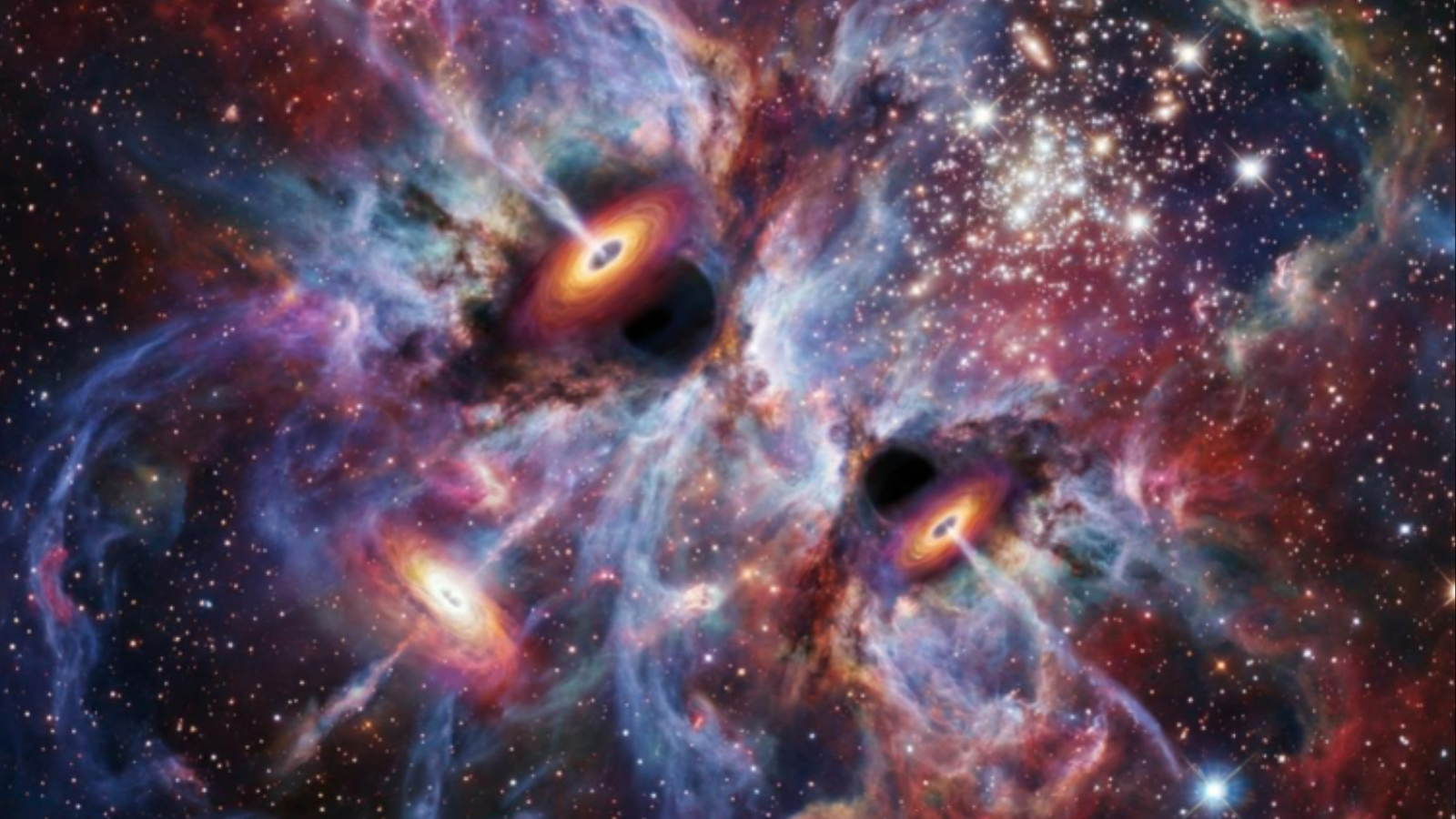
The objects represent a critical test of our theories about black hole seeding in the early universe — the still-unsolved problem of how the first supermassive black holes, which power quasars and lie at the center of most large galaxies including our own Milky Way, grew to their enormous masses so quickly after the Big Bang. Standard models predict that the largest black holes in the early universe should not yet have accumulated enough mass to produce the luminosities observed — but the little red dots suggest otherwise. Matthee's team plans to apply for additional Webb time to obtain high-resolution spectroscopy of the three newly identified nearby objects, a process that could take up to a year to complete and analyze.