CMS Detects Jet Diffusion Wakes in Quark-Gluon Plasma, a 20-Year-Old Prediction
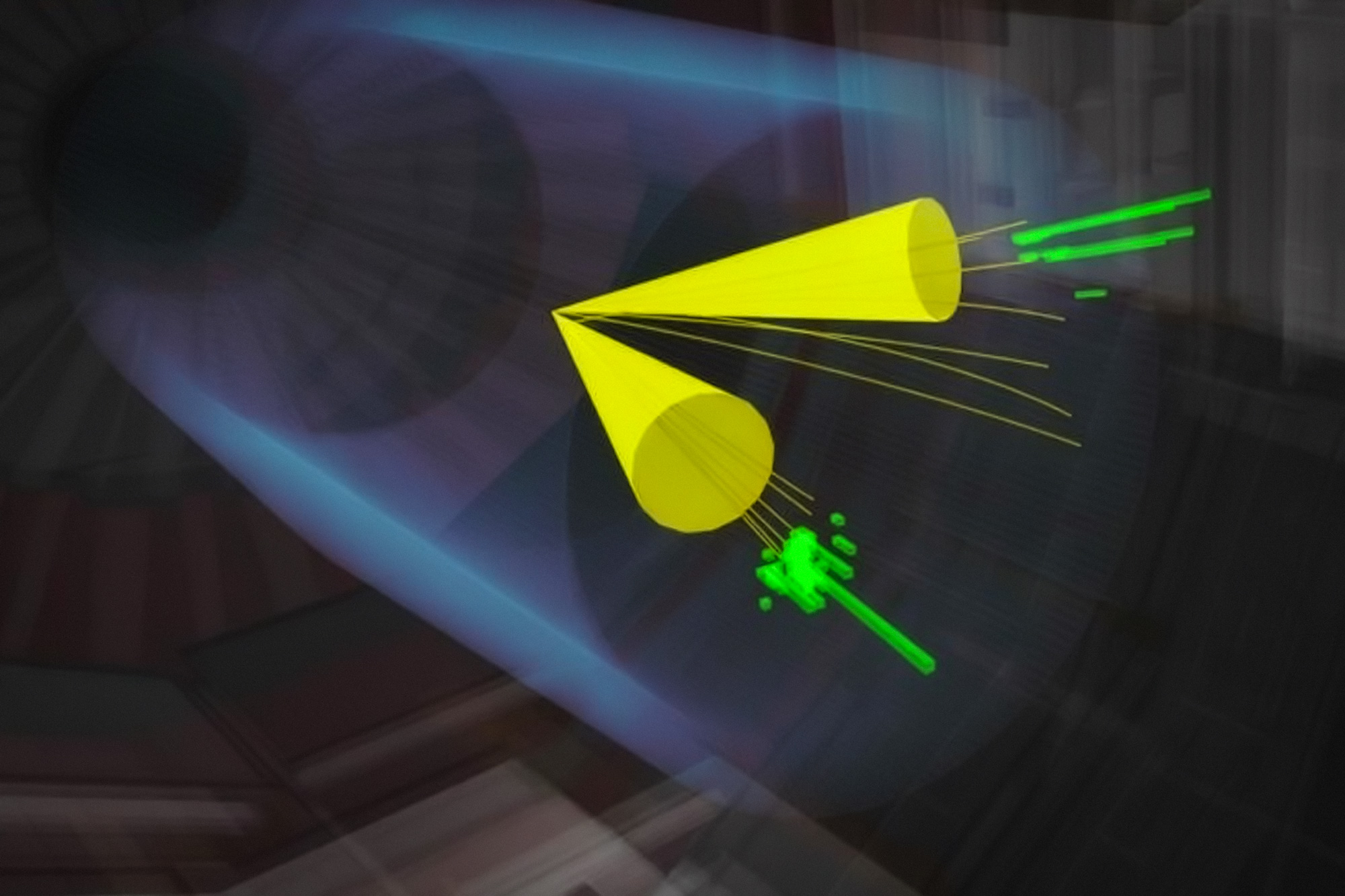
Physicists saw the wake a fast quark or gluon leaves behind in the primordial liquid of the early universe, using millions of lead-lead collisions at the LHC.
Topic
10 stories from Planck Standard. Latest: October 1, 2026.

Physicists saw the wake a fast quark or gluon leaves behind in the primordial liquid of the early universe, using millions of lead-lead collisions at the LHC.

The UC Santa Barbara team used a new 'phase-space distance' method with a supervised machine-learning classifier for the first time in a particle search and showed it beats the standard sphericity test. 'It's not a dead end,' said graduate student Danyi Zhang. 'If this thing existed with these properties, we'd have seen it.'

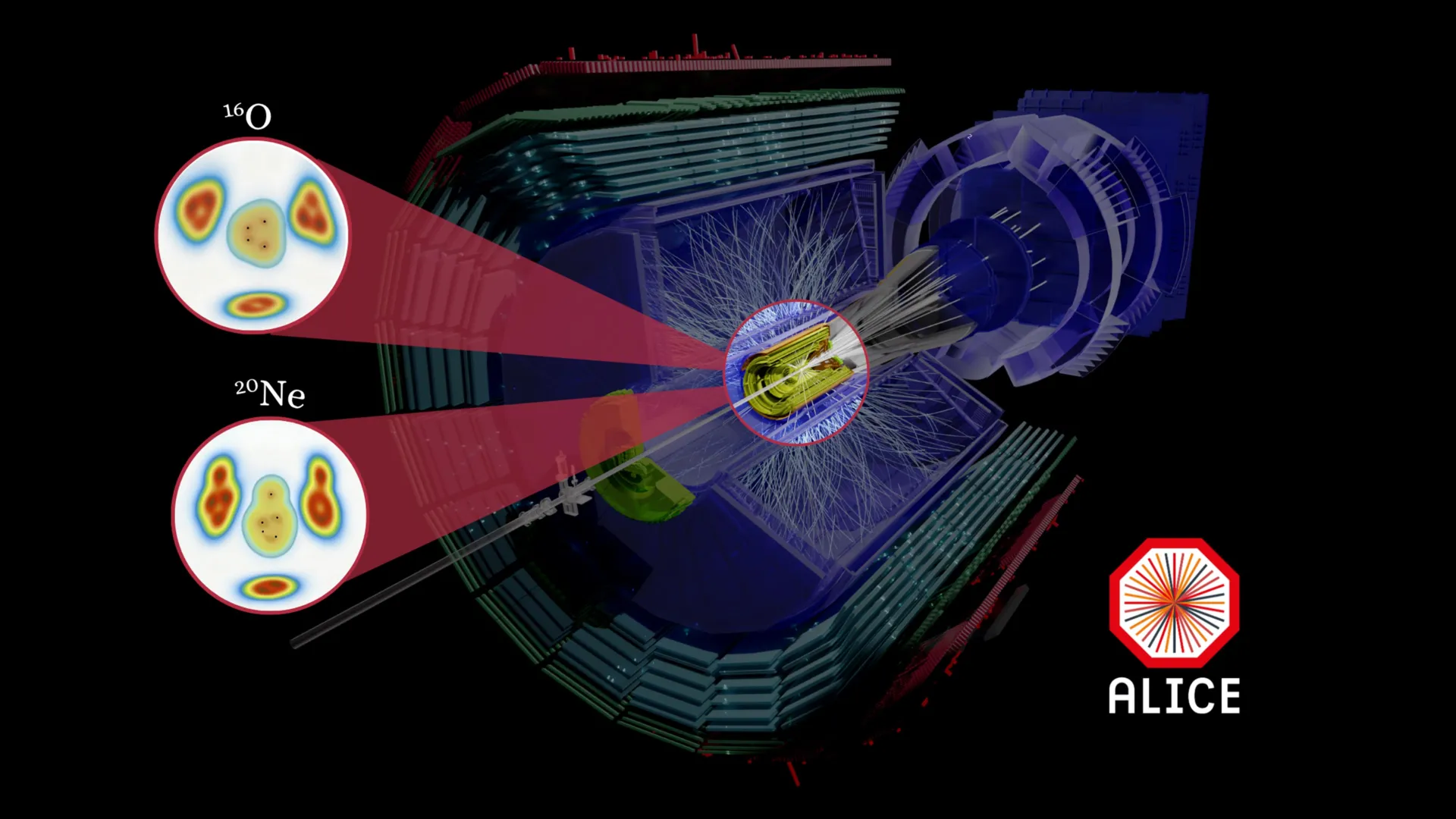
Physicists thought only heavy nuclei like lead could produce quark-gluon plasma. The ALICE collaboration just made it with nuclei a fraction of the size, which means the recipe is not what anyone assumed.

Physicists thought you needed lead — 200 times heavier than a proton — to melt matter into quark-gluon plasma. Oxygen and neon just did it, and ALICE, ATLAS, CMS and LHCb all saw it independently.

Scientists studying rare 'penguin decays' found results that disagree with 50-year-old physics theory, suggesting unknown particles or forces may exist.

Scientists studying rare 'penguin decays' find results that don't match theoretical predictions, suggesting unknown particles or forces may exist.

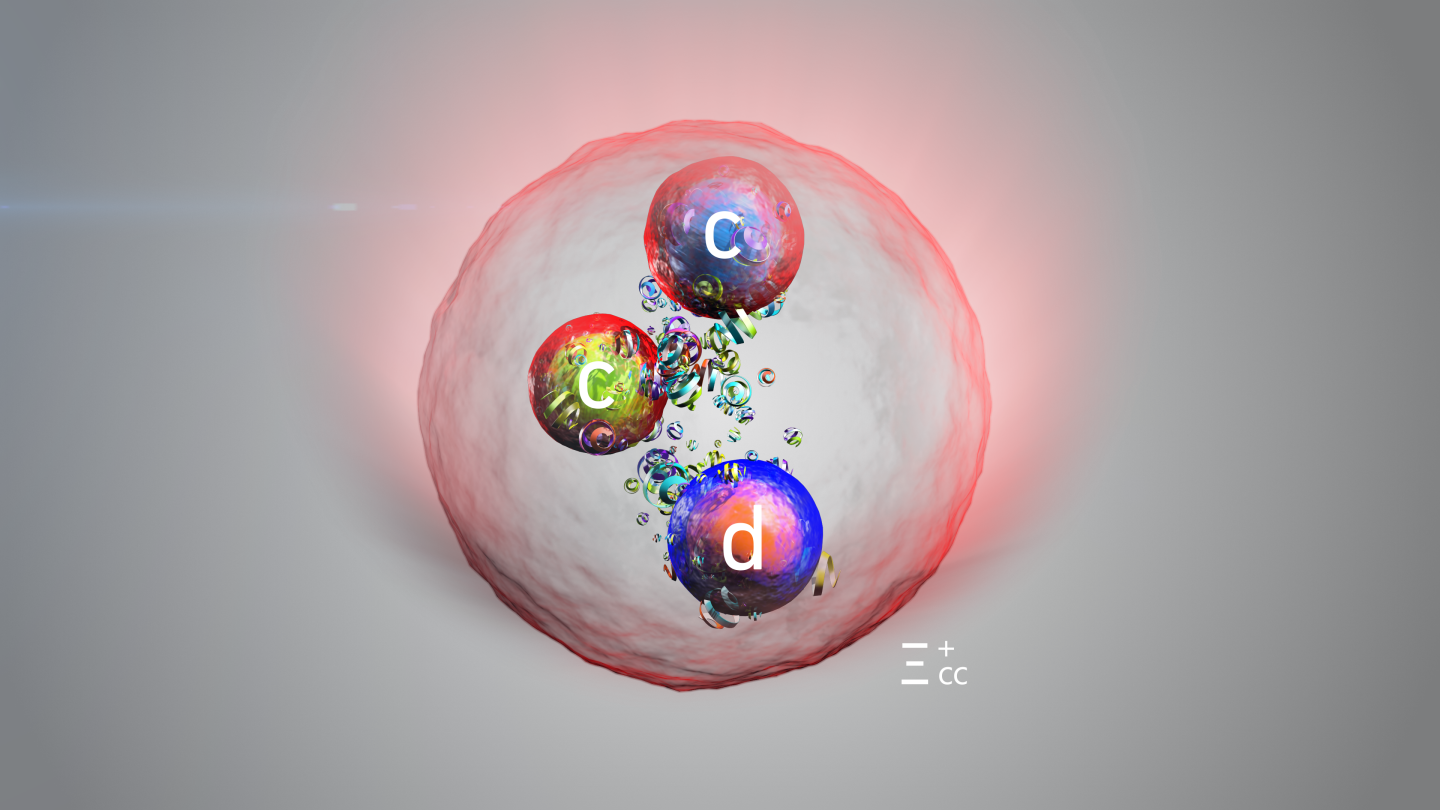
The LHCb collaboration's discovery of the Ξcc⁺ resolves a 20-year prediction gap in quantum chromodynamics and is the first new particle found since the detector's 2023 upgrade.

A new technique using grazing-angle particle interactions allows physicists to directly measure how gluons behave under extreme nuclear density — the particles that literally hold the universe together.
The LHCb collaboration announces the detection of a baryon made of two charm quarks at 7-sigma statistical significance, becoming the 80th particle ever found at the Large Hadron Collider.

New paper summarizes how hardware and software upgrades kept pace with rising LHC luminosity during Run-3