Trump Administration Proposes New Tariffs on China, EU and 12 Others
The plan would lift the rate on Chinese goods to 45% and target specific products from allies and trading partners under Section 301 of trade law.
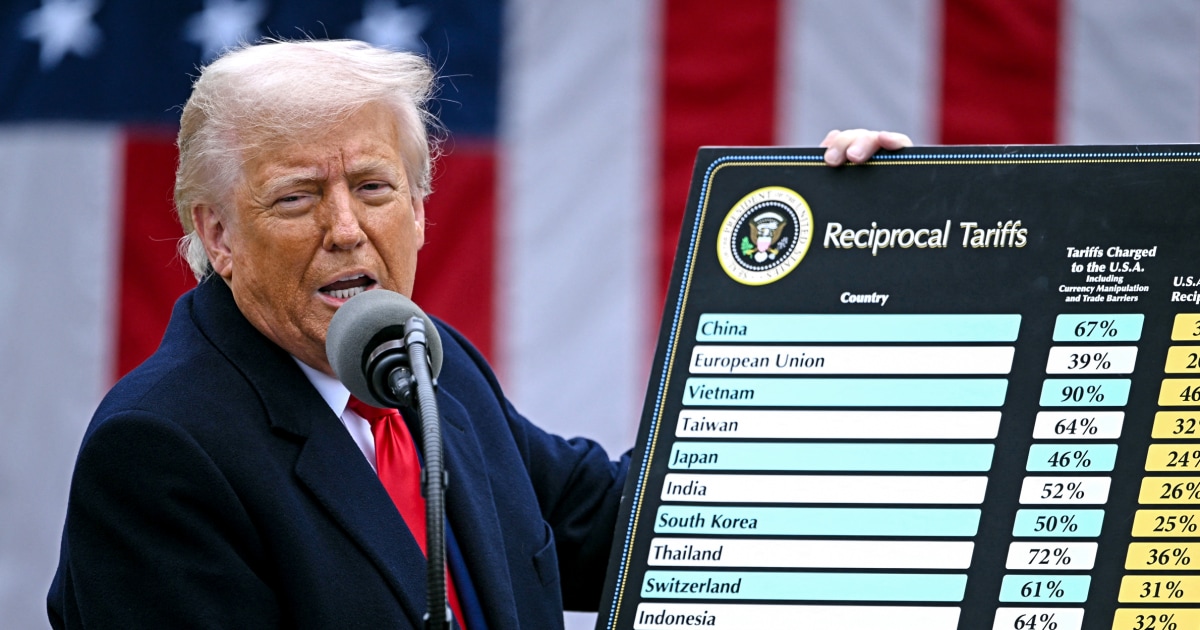
The Trump administration is proposing a new round of tariffs on China, the European Union and a dozen other major trading partners, opening a fresh front in global trade tensions just as the holiday shopping season begins.
Under the plan unveiled this week, the United States would raise tariffs on Chinese goods by an additional 20%, bringing the total rate to 45%. New duties on specific products would also apply to the 27-nation EU, Japan, India, South Korea, Taiwan, Vietnam, Thailand, Cambodia, Malaysia, Indonesia, Singapore, Switzerland and Bangladesh.
Brazil is among the countries that would be hit hardest. Washington plans to raise tariffs on its raw and refined sugar and to impose a new 10% levy on aircraft.
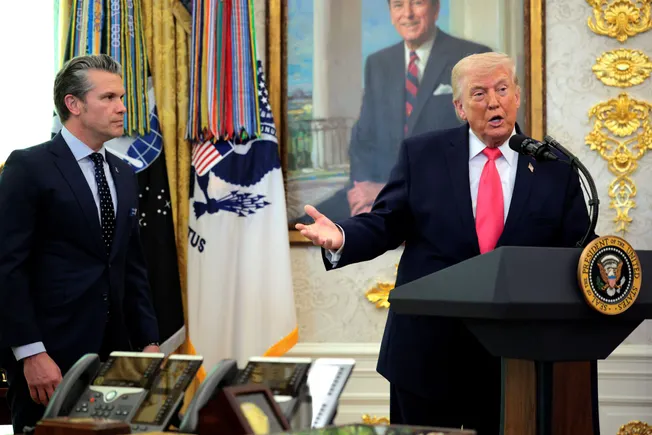
U.S. Trade Representative Jamieson Greer said many partners have for decades pursued industrial strategies built on targeting manufacturing, suppressing wages and labor, providing financial support and using other market-distorting practices that tilt the trade balance and erode America's manufacturing base. The administration says the duties are aimed in part at what it calls excessive manufacturing output in those economies.
The tariffs would be imposed under Section 301 of the Trade Act of 1974, which allows the trade representative to investigate foreign practices and respond to those that violate agreements, are unjustified or discriminate against American goods. The proposal follows months of investigations. The agency is also examining Mexico and Norway but has not proposed new tariffs on either.
A senior administration official told reporters Tuesday that the duties remain in the proposal stage and gave no date for them to take effect. The official stressed that they are targeted at particular products and would not be stacked on top of existing tariffs the administration has introduced. Stephen Brown, chief North American economist at Capital Economics, wrote that the announcement is "not as alarming as it looks" because the new measures would essentially replace previously announced Section 301 tariffs.
The administration has been rebuilding its trade agenda since February, when the Supreme Court struck down sweeping tariffs imposed under the International Emergency Economic Powers Act and forced the government to refund thousands of businesses. Officials have since turned to other statutes, including Section 232, which covers imports that threaten national security. The Yale Budget Lab puts the average statutory U.S. tariff rate at 11.2%.
The politics are difficult. In a CBS News poll taken after the midterm elections, 66% of respondents said the president's tariffs had hurt the national economy. Tariffs are taxes on imports, and businesses often pass some of the cost on to shoppers.
We Pay the Tariffs, a coalition of small businesses, criticized the plan. "Three weeks ago, voters unambiguously rejected tariffs that have worsened the affordability crisis and devastated small businesses," executive director Dan Anthony said. "Customers can't afford more price increases, but small businesses can't afford to absorb tariffs on top of tariffs either."