Trump Held Millions in Nvidia Stock as He Pushed to Bring Back Huang
Disclosures show the president owned $13 million to $58 million in Nvidia shares at the end of 2025. The White House says outside managers control his portfolio.
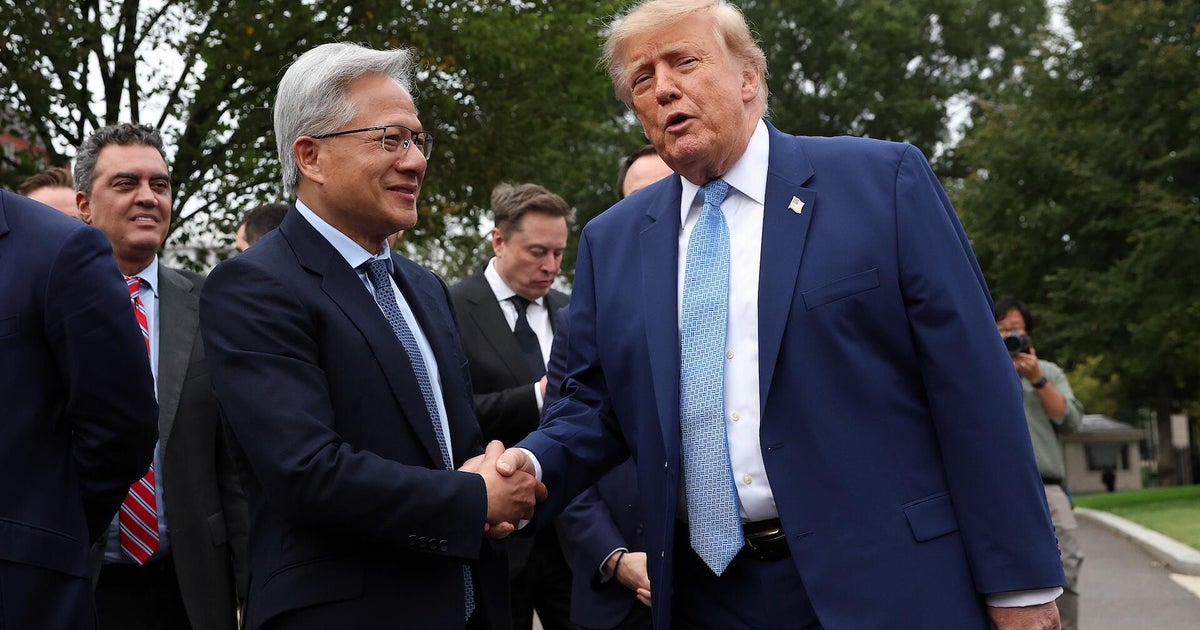
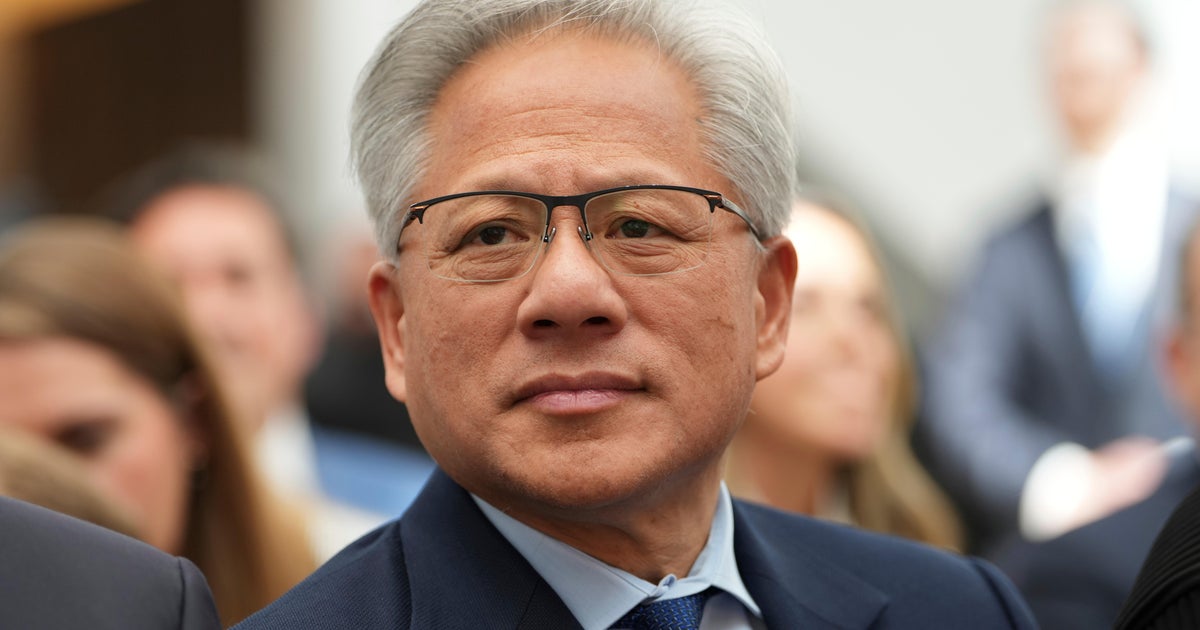
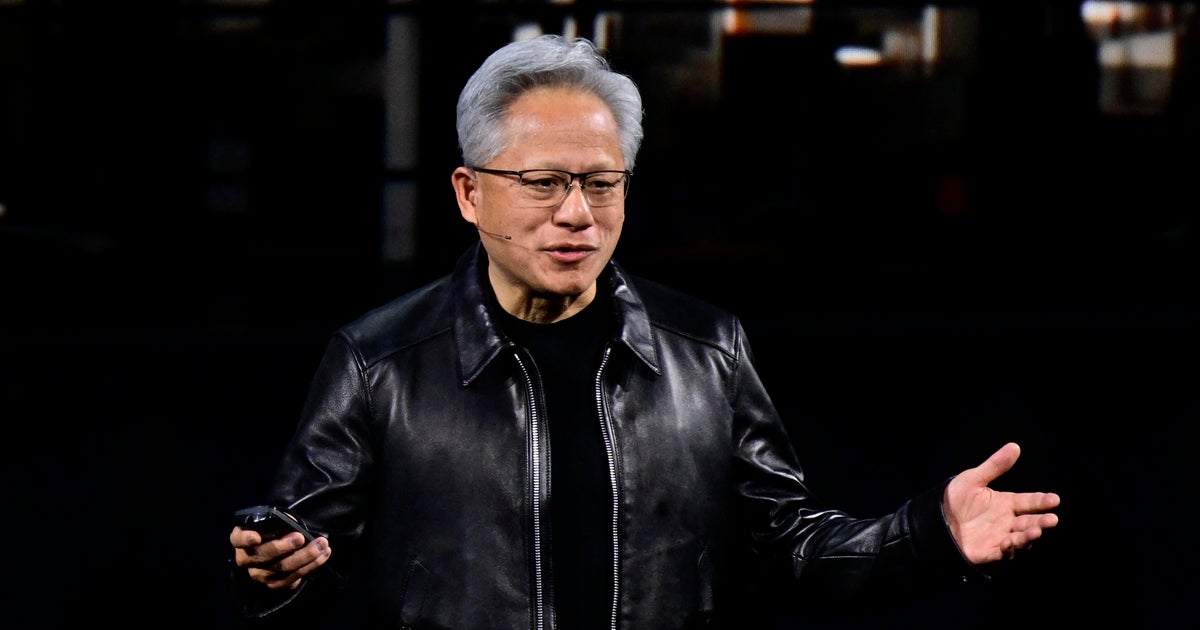
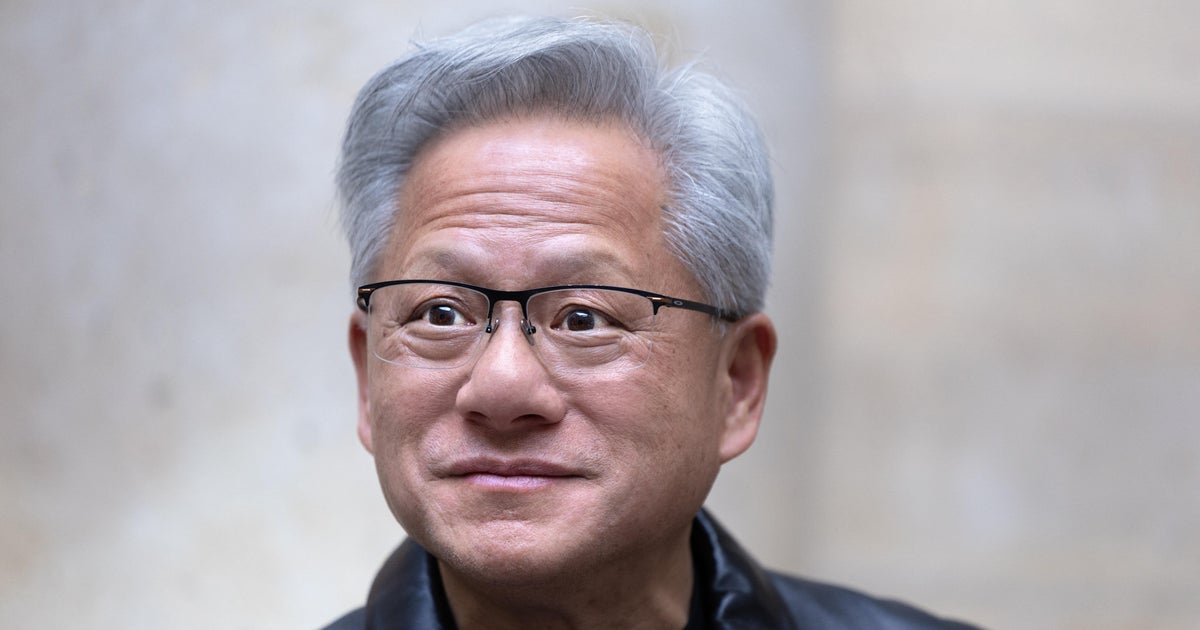
President Donald Trump held millions of dollars in Nvidia stock as he successfully pressed the chipmaker's board to reinstate Jensen Huang as chief executive, financial disclosure documents show, giving him a personal stake in the company's wild swings of the past two weeks.
Trump held between $13 million and $58 million in Nvidia shares in his investment accounts as of the end of 2025, according to filings with the Office of Government Ethics. Between January 2025 and September 2026, he bought or sold the stock in more than 100 transactions worth between $27 million and nearly $98 million.
Nvidia shares surged more than 30% when Huang returned on Monday, reversing a weekslong slide. The value of the president's holdings rose by an estimated $1.3 million to $14.8 million that day before giving back some of the gain on Tuesday. The range is wide because it is not clear how many shares Trump currently owns.
Huang resigned on Nov. 12 amid reports of an affair with Alice Huang, a suspected Chinese intelligence asset who was an executive at Megaspeed, a Singapore-based company accused of diverting Nvidia chips to China. Megaspeed denies wrongdoing, and China has denied that she is a spy. Nvidia's board chair said on Nov. 17 that the company did not intend to reinstate him. Less than a week later, it did.
Trump told CNBC he "convinced them" to rehire Huang and offered an assurance that there was no national security threat. "We have to protect our geniuses," he said. Vice President JD Vance said Wednesday that officials had told him Huang was under no investigation and that he does not think the executive needs a pardon.
The White House rejected any suggestion of a conflict. "President Trump's stock and bond portfolio is independently managed by third-party financial institutions," a spokesman said, adding that neither the president nor his family can direct or influence how it is invested.
Ethics experts were unconvinced. "This goes beyond a conflict of interest," said Kathleen Clark, a law professor at Washington University in St. Louis, who argued that Trump used presidential power to benefit himself financially. Richard Painter, a former chief White House ethics lawyer, called the intervention "a huge conflict of interest" and noted that the federal conflict-of-interest law does not apply to the president, vice president or members of Congress.
The scrutiny is far from over. Huang is set to answer questions behind closed doors from three House panels on Dec. 1, and the Senate Banking Committee plans a public hearing with him on Dec. 3. California Attorney General Rob Bonta has served Nvidia an investigative subpoena. House Democratic leader Hakeem Jeffries called the board's decision "indefensible, irresponsible and incomprehensible" and promised that Congress would investigate.