Bessent Says Nvidia Still Hasn't Answered Treasury's Questions on China Chip Sales
On Face the Nation, the Treasury secretary said the administration is still waiting a week after his 10-day demand and blamed the week's market rout on Democrats' AI stance and the Federal Reserve.
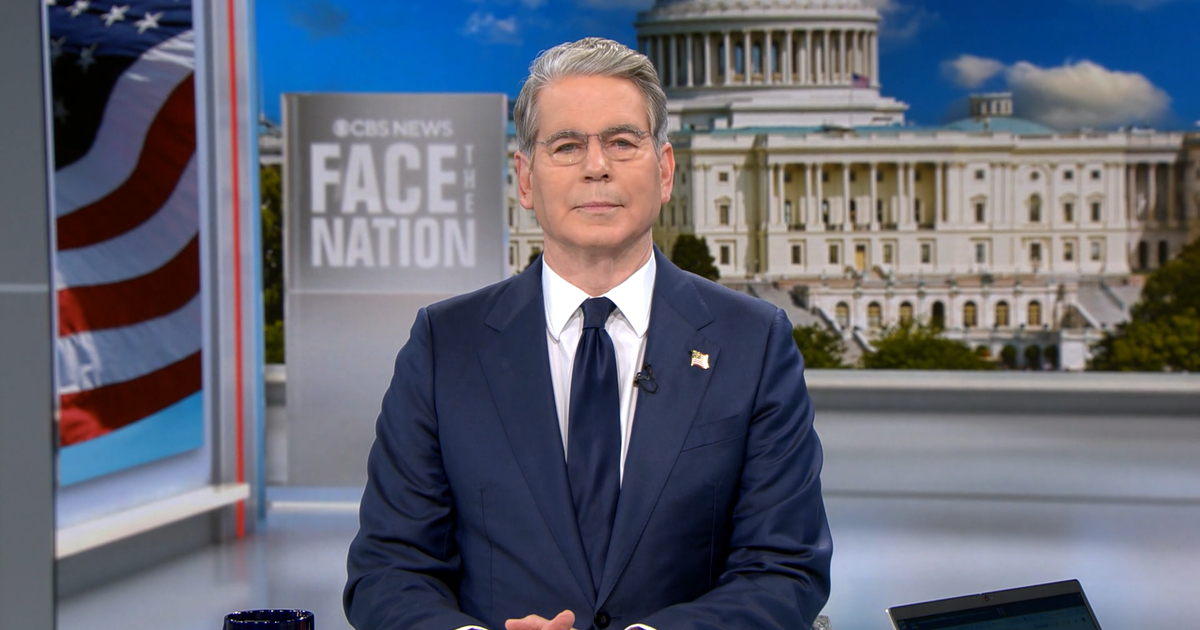
Treasury Secretary Scott Bessent said Sunday that the Trump administration still does not have the answers it demanded from Nvidia about how advanced AI chips reached China, a week after he gave the company 10 days to explain.
"We don't, Margaret," Bessent told Margaret Brennan on CBS News' "Face the Nation" when asked whether he had gotten what he needed. He said the administration has been in touch with Nvidia's temporary management, its lead directors and its lawyers. "It behooves Nvidia to move quickly on this because we want to know what the culture was," he said, asking whether there was a "promiscuous attitude" toward compliance and, if so, "where were the faults."
Brennan pressed him on his interview last Sunday on Fox, in which he referred to a "culture of non-compliance" at the chipmaker and floated the possibility that executives pushed what he called seemingly illicit sales to boost revenue and earnings. Bessent stepped back from that language, stressing "the important word there is possibility." He said the administration wants to learn which level of the company knew what happened, whether it was lower levels, middle management or "all the way to the top." He said he has confidence that Nvidia's board committees are moving quickly and will produce "very fulsome and robust answers."
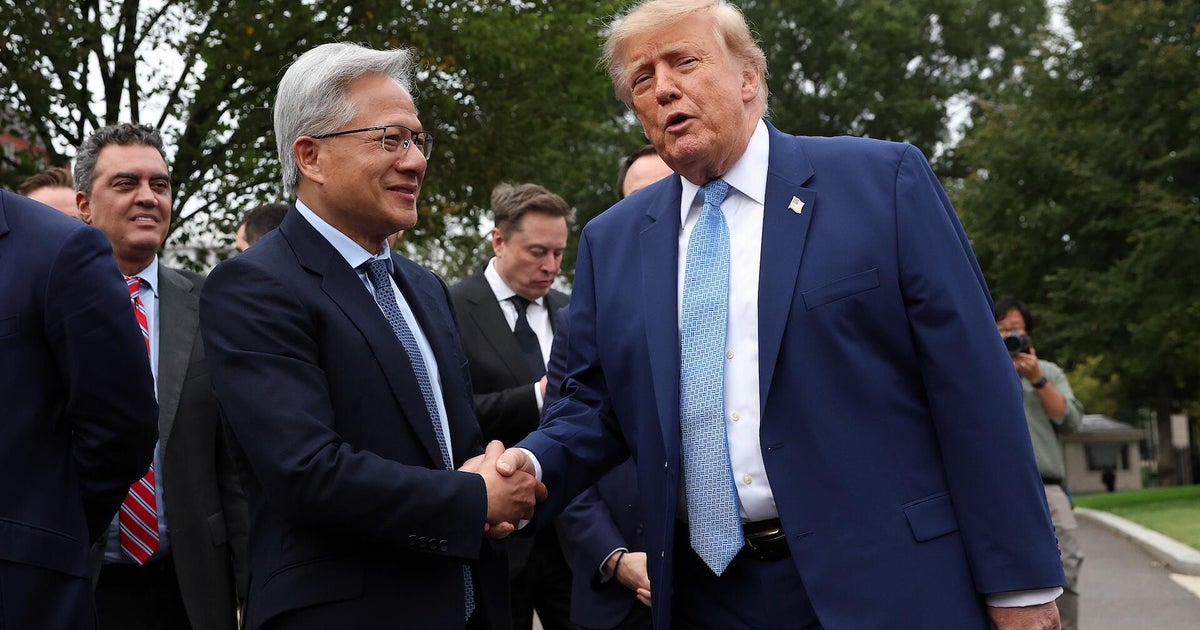
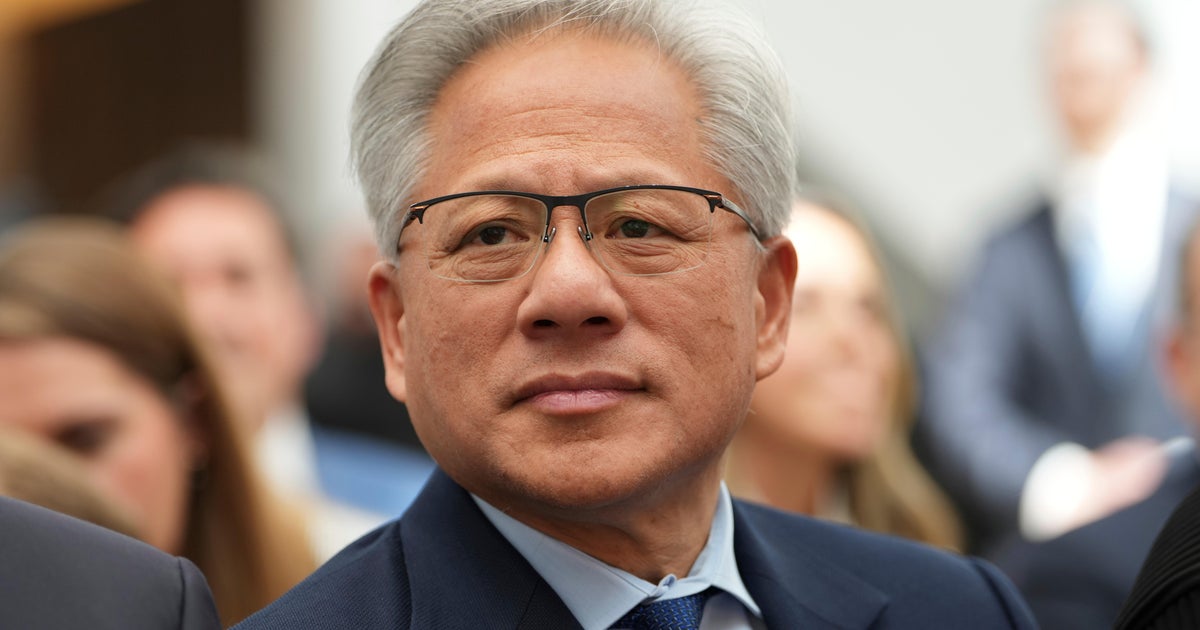
Nvidia is under scrutiny from multiple congressional committees and federal prosecutors over its role in sending advanced chips to China, Brennan said. Its co-founder, Jensen Huang, is no longer chief executive after a scandal that erupted earlier this month. President Trump has said Huang should get his job back. Bessent sidestepped that, noting only that "Jensen is on the outside now." He said the board has slowed things down, that the chief financial officer is now in charge and understands the company's financing well, and that Nvidia remains "fantastically profitable" with near-unlimited global demand for its chips.
On reports that Nvidia's business deals were often sealed on a handshake, Bessent said that at that scale there is no such thing as an untraceable one. "There are bills of lading that movement. There are money movements," he said. "They may not be the 100-page documents, but it will be possible to understand what has gone on here."
Asked about the market selloff, which pushed the S&P 500 and Dow into correction territory on Friday and left the Nasdaq erasing its gains for the year, Bessent offered several causes. He said the slide began as Democrats moved ahead in the polls and accelerated after Election Day, because the Democratic position on AI buildout "spooked a lot of investors." He also pointed to hawkish remarks from the Federal Reserve, saying many people believe the central bank may be making a policy mistake if it over-tightens, and to a substantial tightening in financial conditions over recent months.
Bessent was also asked about the president's Friday press conference, where Mr. Trump said the United States would not allow data centers to go to other countries because "China will take all of them," and promised tremendous penalties on companies that try. Bessent said he had not discussed the details with the president. He argued the concern mirrors the chip industry, where 97% of high-end chips are made in Taiwan, which he called a strategic vulnerability. He said the administration hopes TSMC's Arizona fabs will bring substantial onshoring by the end of the term. Brennan noted that the Wall Street Journal's editorial board has argued the policy could hand Chinese competitors an edge, and Bessent replied that AI is "very fungible" and that companies can reach data centers around the world.
He said the AI industry has done a "terrible job" of explaining itself to Americans and needs to rebuild trust with the communities where data centers are built. Once it does, he said, a more substantial buildout in the United States could follow.