Trump Launches Trade Investigations Into 16 Major Economies as New Phase of Global Trade War Begins
The U.S. Trade Representative opened Section 301 probes into the EU, China, Mexico, and 13 other trading partners, citing evidence of 'structural excess capacity' — a maneuver designed to survive court challenges that invalidated the administration's earlier tariff strategy.
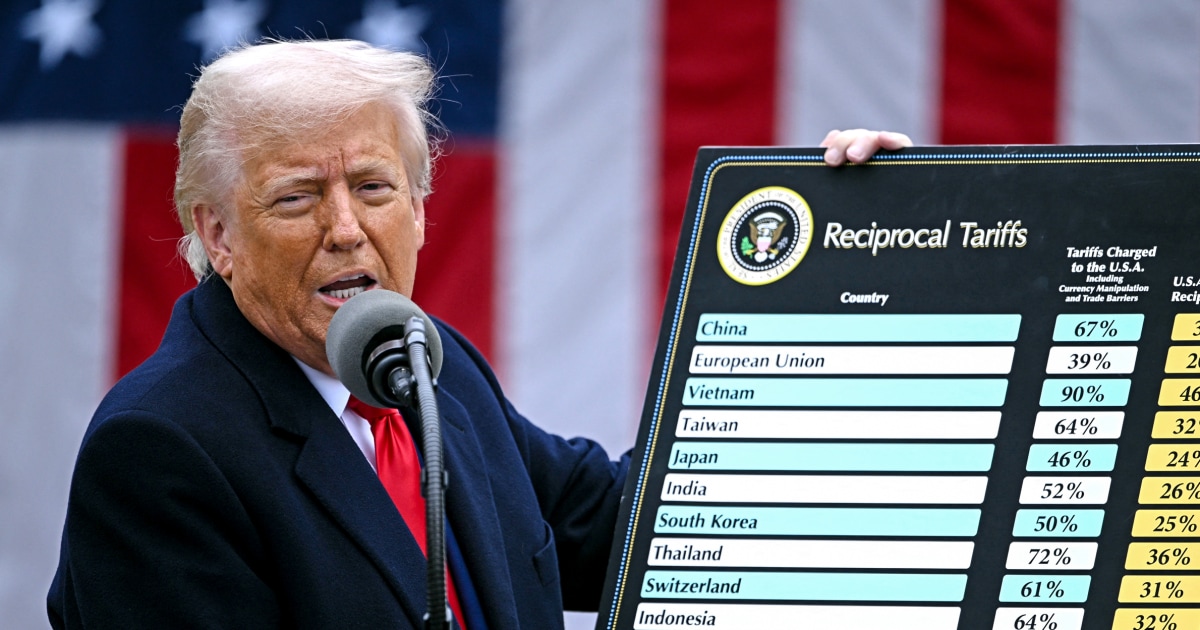
The Trump administration launched a new phase of its global trade campaign Friday, opening formal Section 301 investigations into 16 major trading partners following the Supreme Court's February ruling that struck down the president's earlier country-specific tariffs. U.S. Trade Representative Jamieson Greer announced the probes into the European Union, Mexico, China, Singapore, Switzerland, Norway, Indonesia, Malaysia, Cambodia, Thailand, South Korea, Vietnam, Taiwan, Bangladesh, Japan, and India — together accounting for most of the United States' $1.2 trillion goods trade deficit. The investigations are designed to establish a legally durable record of unfair trade practices that can support future tariff actions under Section 301 of the Trade Act of 1974, which carries stronger procedural protections than the emergency economic powers statute the Supreme Court invalidated in February.
The pivot to Section 301 reflects the administration's determination to press its trade agenda despite the legal setback. The Supreme Court's late February ruling found that Trump had exceeded his authority under the International Emergency Economic Powers Act when he unilaterally imposed rapid-fire tariffs on nearly every country in the world, nullifying many of the high country-specific rates. The court left a blanket 10 percent tariff on all trading partners in place under a separate Section 122 emergency provision, though that authority can remain active for only 150 days. The new investigations aim to produce findings that will support fresh tariff actions before the Section 122 window closes, creating a timeline that trade attorneys say is extremely compressed given normal rulemaking requirements.
Greer said the investigations would target economies that 'appear to exhibit structural excess capacity and production in various manufacturing sectors, through larger, persistent trade surpluses or underutilized or unused capacity.' He said a separate investigation would also examine goods produced with forced labor — a category the administration has signaled could encompass broad swaths of Chinese and Southeast Asian manufacturing. By opening probes into 16 countries simultaneously, the administration is signaling that it views the entire structure of global trade as unfairly tilted against the United States and seeks to use the investigative process as leverage to force bilateral negotiations before final tariff determinations are made.
The announcement rattled global markets, with the euro, South Korean won, and Taiwanese dollar all declining against the dollar as investors assessed the risk of additional tariff actions. Business associations in Europe and Asia called for negotiations rather than confrontation, with the European Commission saying Brussels was prepared to discuss a 'mutually beneficial framework' while reserving the right to respond with countermeasures if the investigations led to unjustified tariff actions against EU exports. China's Ministry of Commerce condemned the move as unilateral trade protectionism, saying Beijing 'firmly opposes' any tariffs not grounded in World Trade Organization rules. The simultaneous launch of investigations into 16 countries with diverse economic characteristics raised questions about whether the process could produce legally defensible findings on such a compressed schedule.
Trade attorneys warned that rushing the Section 301 process could expose resulting tariffs to additional court challenges, particularly if the investigations lack adequate procedural records demonstrating independent factual findings for each targeted country. The U.S. Chamber of Commerce called for 'thorough, transparent, and legally sound' investigations rather than rushed determinations. American industries that depend heavily on imported components — including electronics manufacturers, automakers, and consumer goods companies — expressed concern that broad tariff actions could raise production costs and suppress consumer demand at a moment when the economy is already under pressure from the Iran conflict's energy price shock. The administration indicated it would accept public comments on each investigation and hold hearings before making final determinations, though the ambitious timeline drew skepticism from trade law experts.