Trump Administration Unveils New 10% to 12.5% Tariffs on 60 Trading Partners After Forced-Labor Probe
Citing a Section 301 investigation into goods made with forced labor, U.S. Trade Representative Jamieson Greer proposed duties spanning Canada to China — months after the Supreme Court struck down the president's earlier tariff regime.

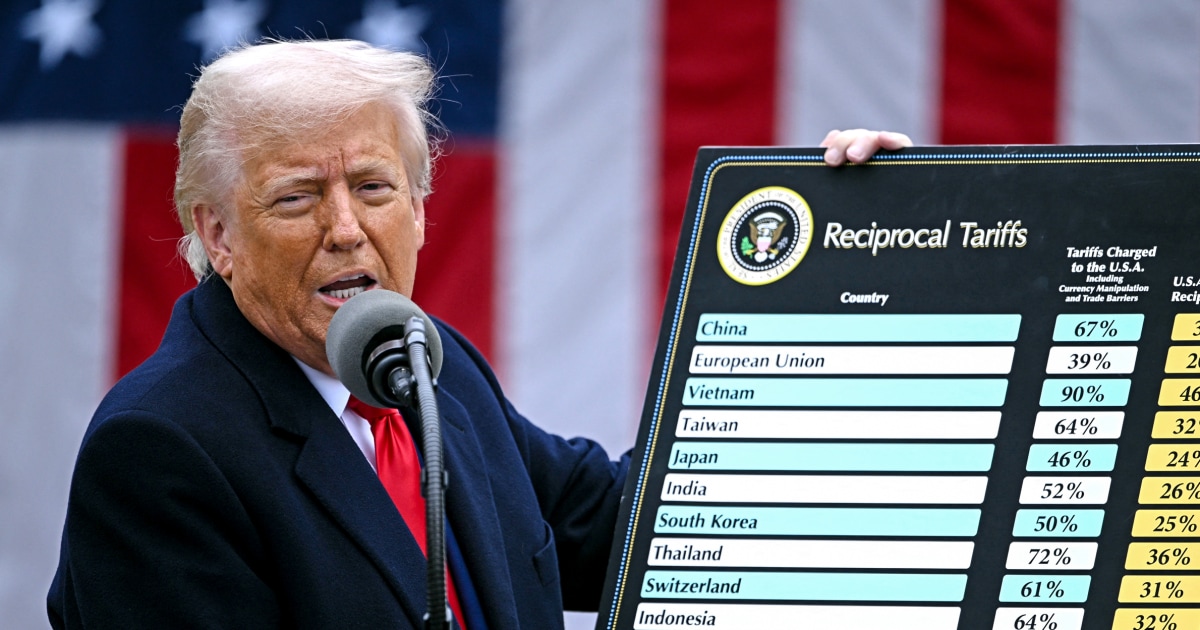
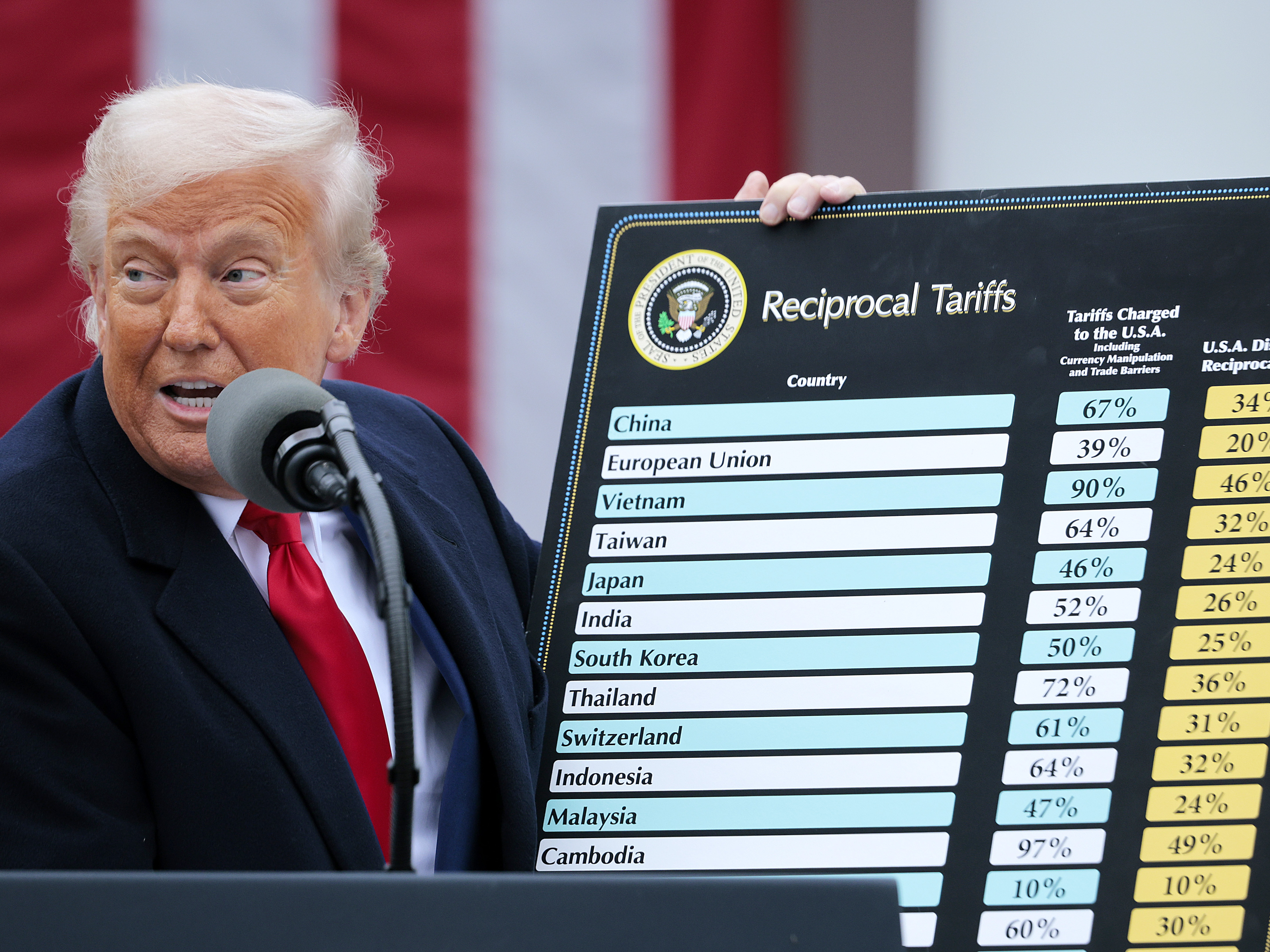
The Trump administration on Tuesday proposed sweeping new tariffs on most of America's trading partners, citing a federal investigation into the importation of goods made with forced labor. The plan would impose duties of 10 percent or more on roughly 60 economies, the administration's most ambitious trade action since the Supreme Court struck down its earlier tariff regime in February.
Under the proposal, a 10 percent tariff would apply to 16 economies, including Canada, Mexico, the European Union, Taiwan and the United Kingdom. A steeper 12.5 percent rate would hit 44 other partners, among them China, Japan, India, South Korea and Switzerland. Officials carved out exemptions for aircraft parts, certain food products such as coffee and beef, rare earth minerals, and goods traded under the U.S.-Mexico-Canada Agreement.
The legal foundation is notable. After the Supreme Court ruled in February that Trump had overstepped by invoking the 1977 International Emergency Economic Powers Act to impose double-digit tariffs on nearly every country, the administration is now relying on Section 301 of the Trade Act of 1974 — a statute long used to retaliate against unfair foreign trade practices.
"The failure of our most important trading partners to address the importation of goods made with forced labor is unacceptable," said U.S. Trade Representative Jamieson Greer, framing the duties as a response to a problem the administration says rivals have ignored.
The proposal drew sharp pushback abroad. Chinese Foreign Ministry spokesperson Mao Ning rejected the premise outright: "There is no such thing as forced labor in China, and we oppose using it as an excuse to engage in political manipulation." Bernd Lange, who chairs the European Parliament's trade committee, accused Washington of "trying to make the facts fit a legal justification for tariffs that has already been decided."
Public hearings on the proposed duties are scheduled to begin July 7, setting up weeks of lobbying by importers, foreign governments and domestic industries. For consumers already contending with elevated energy costs and stubborn inflation, the measures threaten to push up prices on a wide range of imported goods just as the midterm campaign intensifies.