Bessent and Greer Sat Down With China's He Lifeng at JPMorgan's Manhattan Headquarters Sunday to 'Set the Stage' for Xi's Arrival at the White House on Thursday, the First Chinese State Visit in More Than a Decade. Tariffs, Rare Earths and AI Are on the Table, and Sam Altman Is on the Dinner List.
Trump will meet Xi at the airport himself. The summit is the two leaders' second face-to-face of the year after May's meeting in Beijing, and it lands as an existing trade truce nears expiry and as the administration weighs what, if anything, to ask Beijing on AI safety.
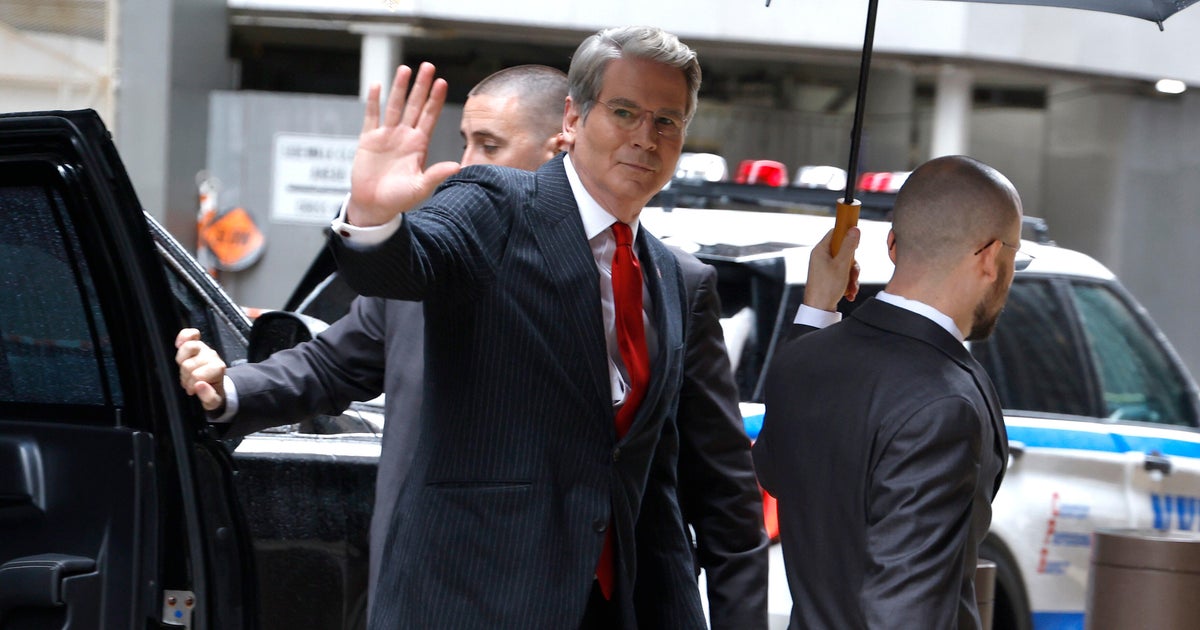
Treasury Secretary Scott Bessent met Chinese Vice Premier He Lifeng on Sunday at JPMorgan Chase's headquarters in Manhattan, four days before President Xi Jinping is due at the White House for a summit and state dinner. U.S. Trade Representative Jamieson Greer joined the talks, which both sides described as groundwork for Thursday rather than a negotiation in their own right.
Bessent said beforehand that he was looking forward to "focused, fulsome, and constructive talks" that would "set the stage" for the two presidents. Afterward, he said the discussions were meant to "lay the groundwork for President Trump to advance America's economic interests and deliver results for the American people." Greer said Washington remains committed to "balanced trade with China by monitoring the implementation of recent commitments, optimizing trade in non-sensitive goods, and improving market access for American farmers, manufacturers, and workers."
Thursday's meeting will be the second time Trump and Xi have met in person this year, after Trump's state visit to Beijing in May. It is the first state visit by a Chinese president to Washington since 2015. Trump has said he will greet Xi at the airport personally, a gesture Beijing pressed for and one that American presidents rarely extend. The agenda, according to officials on both sides, covers tariffs, rare-earth minerals and critical-mineral supply, the trade agreement reached earlier this year that is approaching its expiry, and artificial intelligence.
AI is the item with the least precedent and the most pressure behind it. The summit comes a week after the four leading American AI developers agreed among themselves to slow frontier development, and as Trump has alternately proposed a federal "AI Force" and dismissed fears about the technology as a "hoax." Rep. Ro Khanna, the California Democrat whose district includes much of Silicon Valley, said AI governance "needs to be the first agenda item," with international monitoring and enforceable verification. OpenAI chief executive Sam Altman is among the technology executives expected at the state dinner.
Expectations for concrete deliverables are modest. A Center for Strategic and International Studies analyst told Semafor that both governments now operate on a model of "great power competition tempered by interdependence," and that neither is looking for a transformative deal. Beijing wants relief from tariffs and export controls on advanced chips; Washington wants Chinese purchases of American farm goods, guarantees on rare-earth exports, and some form of commitment on AI that it can present as a safeguard rather than a concession.
Sunday's session at JPMorgan, rather than at a government building, was itself a signal. The bank's chief executive, Jamie Dimon, has been one of the most consistent corporate voices for keeping the economic relationship open, and the choice of venue put Wall Street's interest in a stable outcome on the record before either president said a word. Whether Thursday produces more than photographs and a communique will depend on what He Lifeng carried back to Beijing Sunday night.
Originally reported by CBS News.