Trump Returns from Beijing Touting 'Fantastic' Deals With Xi as China Mum on Trade and Iran
After two days of summitry in the Zhongnanhai compound, the U.S. president said China agreed to buy 200 Boeing jets and resume agricultural purchases — but Beijing's post-summit readout made no mention of any trade deal, the war in Iran, or Taiwan.
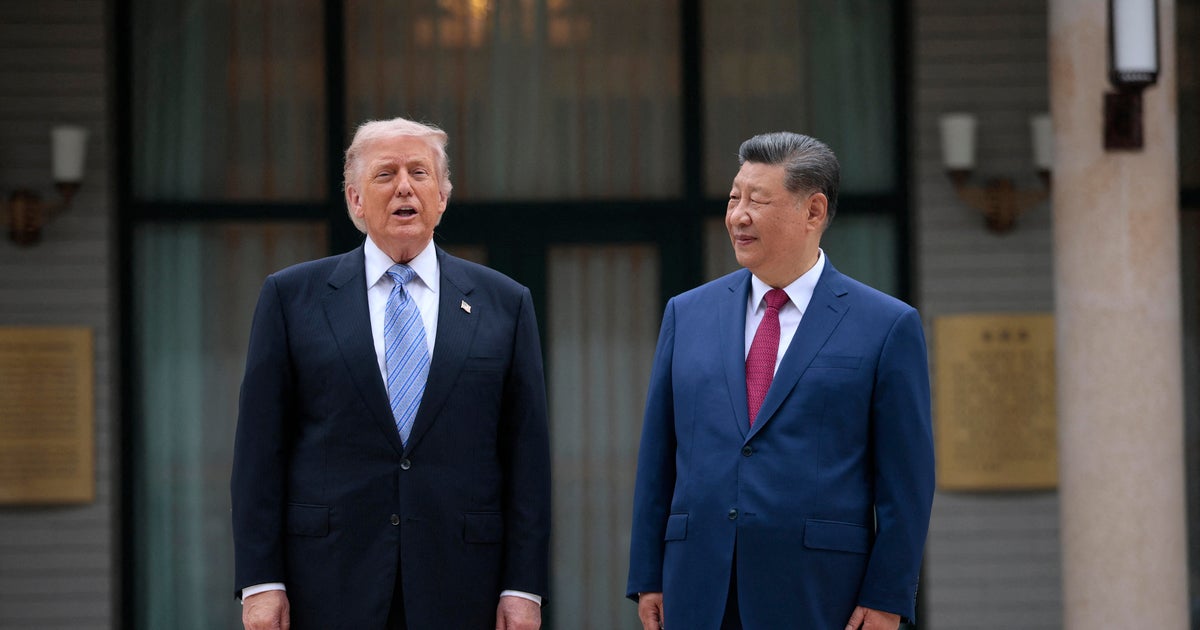
President Donald Trump flew back to Washington this weekend after a two-day summit in Beijing with Chinese President Xi Jinping, declaring he had struck 'some really fantastic trade deals' and forged 'a great relationship' with the Chinese leader, even as Beijing released a post-summit statement that conspicuously omitted any mention of new agreements, the war in Iran or Taiwan. The starkly different readouts on either side of the Pacific underscored just how thin the actual deliverables of the high-stakes meeting were.
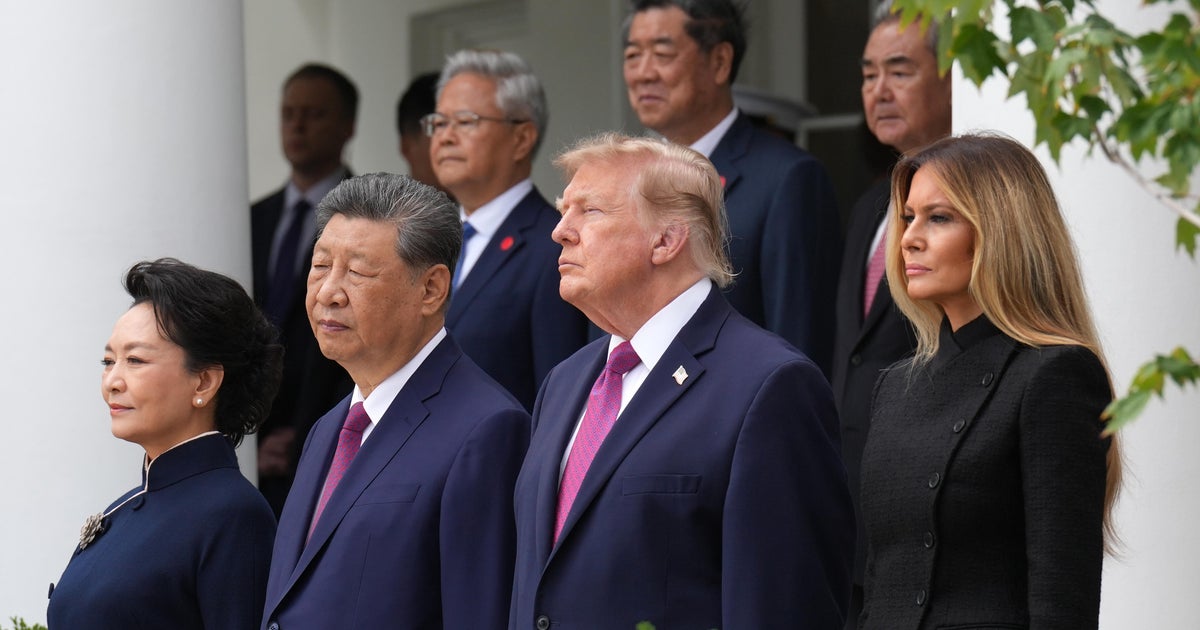
Trump and Xi met for several hours on Friday at the Zhongnanhai leadership compound, the lakeside complex in central Beijing reserved for the Chinese Communist Party's top leadership, in what Xi called a 'historic' and 'landmark' encounter. Speaking to reporters aboard Air Force One on the flight home, Trump said China had agreed to order 200 Boeing jets, resume large purchases of American soybeans, and step up imports of U.S. oil and liquefied natural gas. U.S. Trade Representative Jamieson Greer told ABC's 'This Week' on Sunday that he expected 'an agreement for double-digit billion purchases' of American agricultural products to follow.
China's official summary, however, made no reference to the Boeing order or any specific trade figures. Instead, Xinhua and the foreign ministry described the meetings as having produced 'important common understandings on maintaining stable economic and trade ties' and 'properly addressing each other's concerns' — diplomatic phrasing that analysts in both Washington and Beijing said is the standard language Chinese officials use when avoiding firm commitments. Xi pointedly did not commit to pressuring Iran into accepting Trump's peace proposal, an outcome U.S. officials had hoped would emerge from the summit.
Markets reacted with disappointment. The Dow Jones Industrial Average shed more than 500 points on Friday afternoon as traders concluded that the two-day summit had not produced the kind of headline trade agreement that would have eased fears of renewed tariffs. Boeing shares were one of the few bright spots, rising on the prospect of a Chinese order that would help fill its widebody backlog. The yuan, meanwhile, ticked slightly stronger against the dollar after the People's Bank of China set a marginally firmer reference rate.
The summit also exposed strategic divides that no amount of personal chemistry has been able to paper over. Trump told reporters he had pressed Xi to use Beijing's leverage with Tehran to broker an end to the war on Iran, in which U.S. and Israeli strikes have crippled Iranian nuclear sites and prompted Iranian retaliation that closed parts of the Strait of Hormuz. According to people briefed on the meetings, Xi offered general support for 'a political settlement' but declined to commit to any specific Chinese pressure on Iran, an oil supplier and partner Beijing has spent years cultivating.
On Taiwan, the leaders made no progress, with Trump telling reporters the island had come up only briefly. Political prisoners and human rights cases reportedly were not discussed in any detail. Both leaders, however, agreed to meet again this fall, possibly at the Asia-Pacific Economic Cooperation summit, and to convene a new round of working-level talks on trade and military deconfliction. Analysts at the Council on Foreign Relations and the Atlantic Council described the summit's tangible output as modest at best, but said the symbolism of two days of face-to-face meetings between the world's most powerful leaders — at a moment of war in the Middle East and rising military tension in the Pacific — was itself a stabilizing event.