Superconducting Vortices Give First Experimental Proof That Clogging Is a Phase Transition
Researchers at the Institute of Science Tokyo showed that jams in flowing particles behave like a phase transition, sharing a critical point with depinning.
Topic
12 stories from Planck Standard. Latest: November 15, 2026.

Researchers at the Institute of Science Tokyo showed that jams in flowing particles behave like a phase transition, sharing a critical point with depinning.

Japanese physicists directly saw flux quanta created by absorbed light, a route to photon counters that skip the slow thermal wait of today's best detectors.

Max Planck researchers in Hamburg used trillionth-of-a-second electrical pulses to drive current past the usual limit, reaching the intrinsic threshold where the pairs of electrons that carry the current are torn apart.

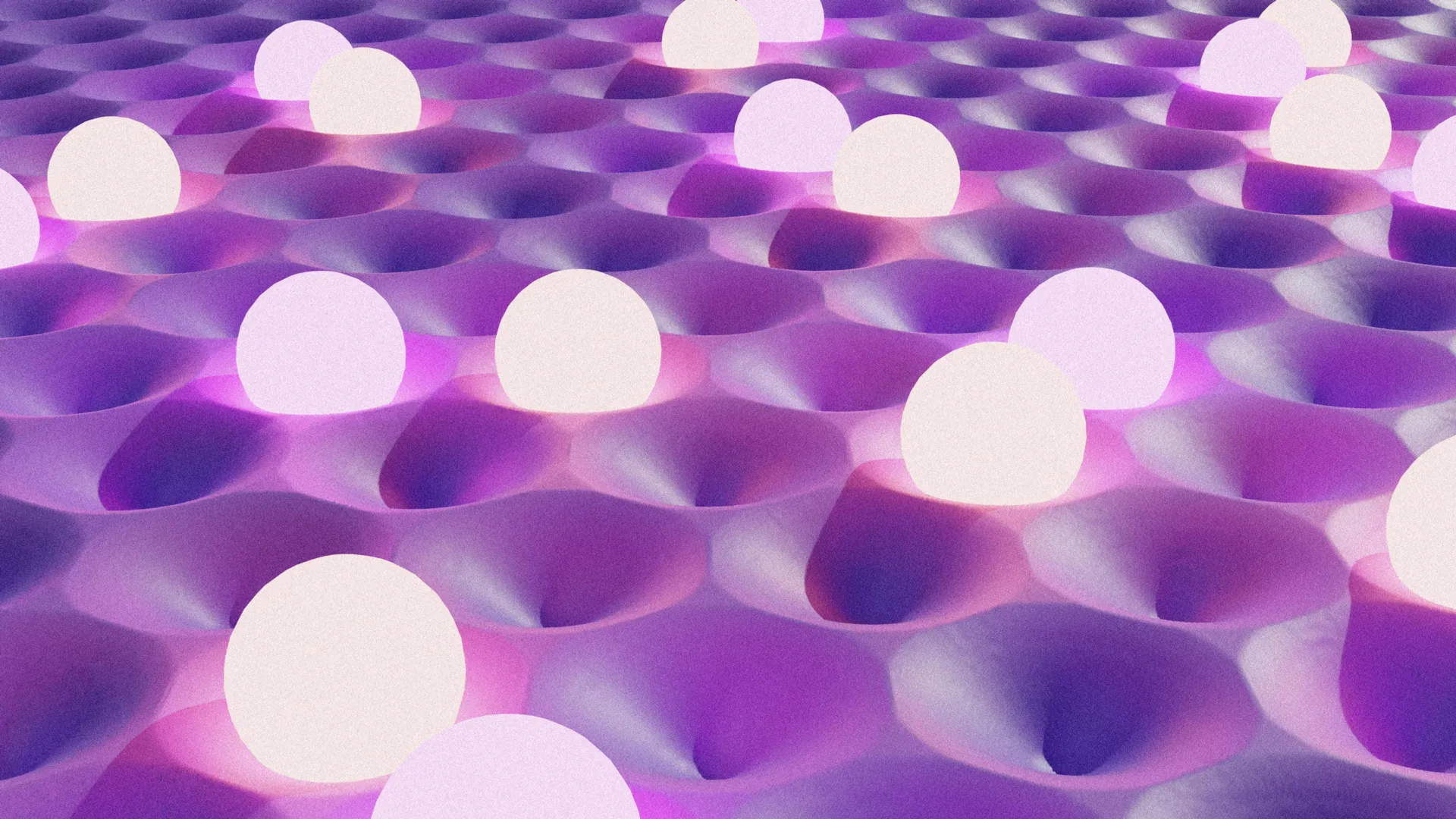
An international team used machine learning to pinpoint two never-before-seen superconductors, YRu₃B₂ and LuRu₃B₂, opening a path that could screen billions of materials in the hunt for a room-temperature version.

Physicists paired machine learning with quantum theory to find and confirm two new materials — a recipe that could speed the long hunt for a room-temperature superconductor.

An Aalto University-led team used AI to sift a near-infinite space of material combinations and pinpoint the kagome-lattice compounds YRu3B2 and LuRu3B2, whose superconductivity springs from flat electronic bands.
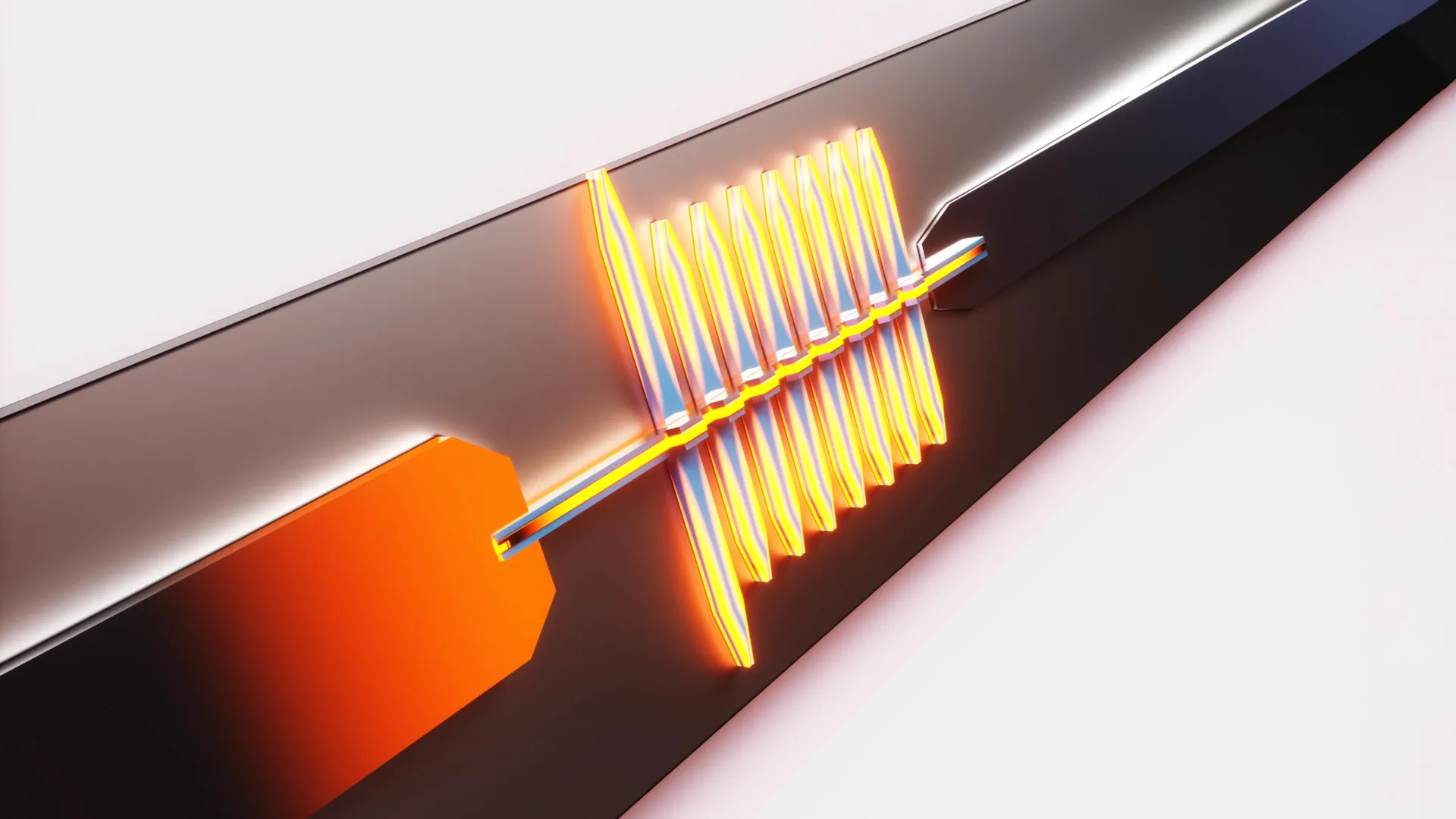
A superconducting detector built at Aalto University registered just 0.83 zeptojoules — about the work needed to lift a single red blood cell one nanometer — a milestone for quantum computing and the hunt for dark matter.

Finnish researchers achieve breakthrough precision that could improve quantum computers and enable detection of elusive dark matter particles from space.

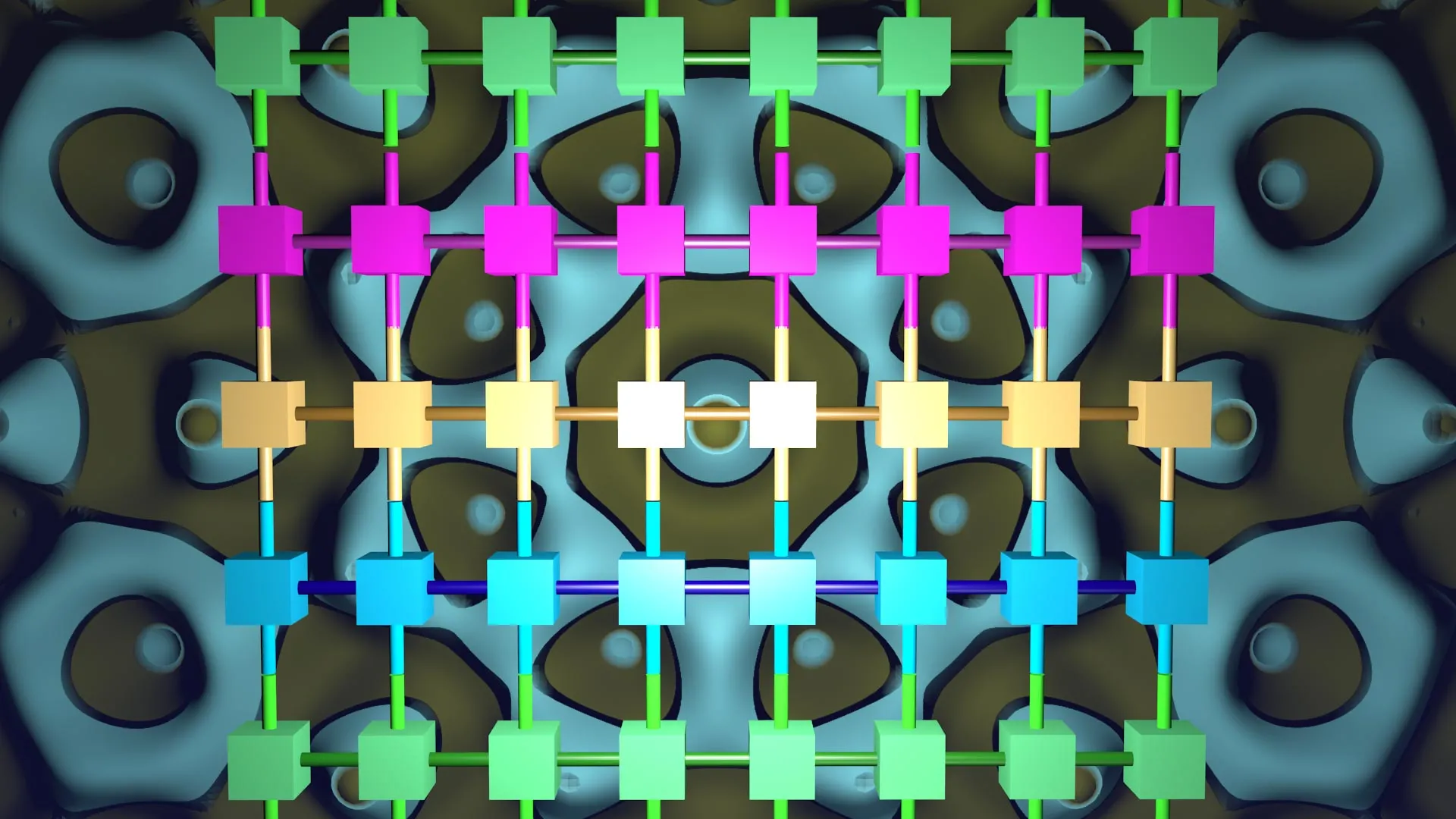
Breakthrough method simulates complex quasicrystals that conventional supercomputers cannot handle, opening doors to advanced quantum devices and ultra-efficient electronics.

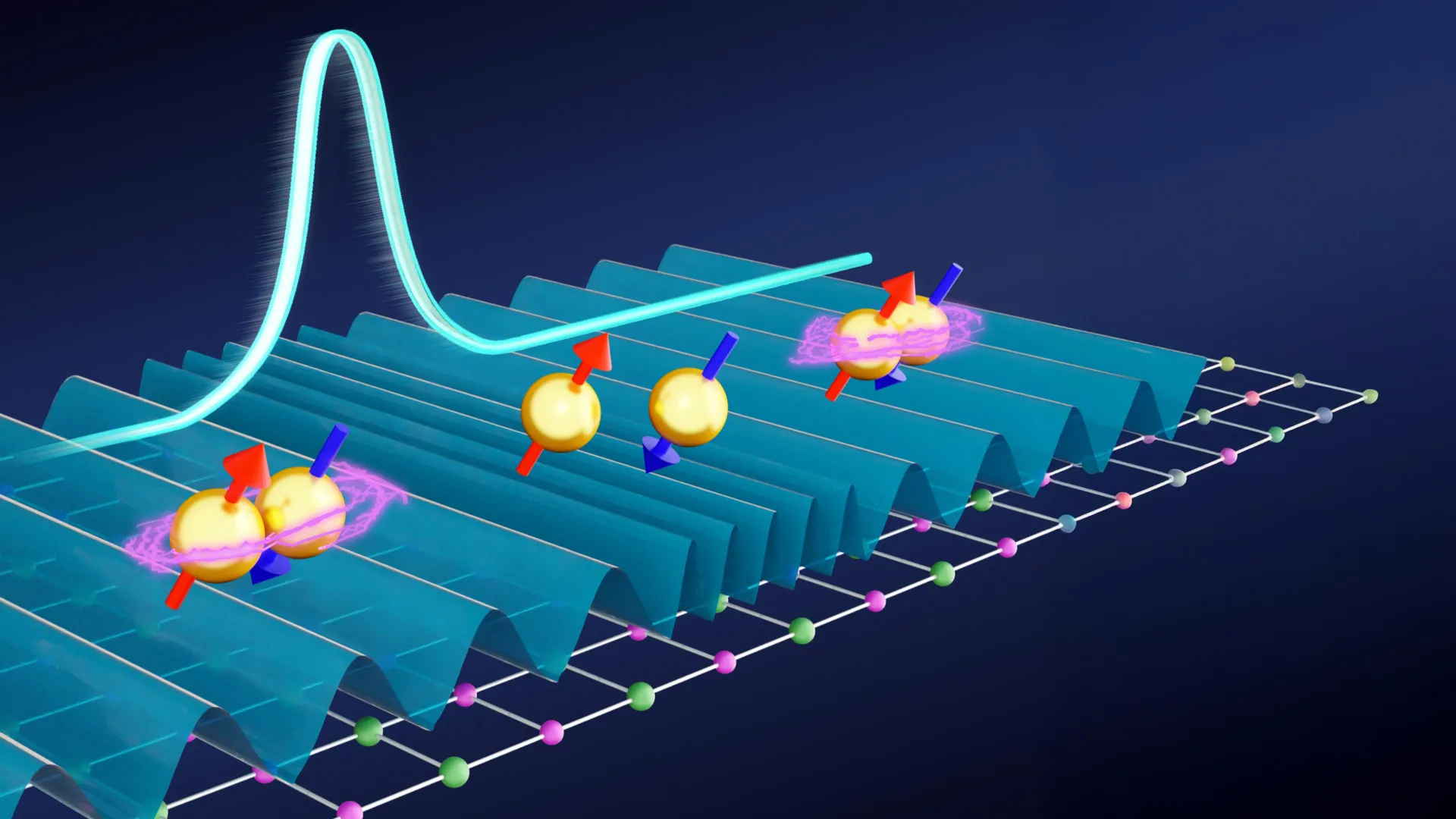
Breakthrough imaging reveals paired electrons move in synchronized patterns never predicted by Nobel Prize-winning BCS theory.

Breakthrough experiment reveals synchronized movement between electron pairs, challenging 70-year-old Nobel Prize-winning theory of superconductivity.
Professor Nuh Gedik's team used their new spintronic terahertz emitter and Bragg-mirror system to directly image the Higgs amplitude mode of a superconductor for the first time — a collective electron oscillation predicted for decades but never seen — with major implications for room-temperature superconductors and 6G wireless.