Ultra-Sensitive Quantum Sensor Detects Energy Below One Zeptojoule, Could Hunt Dark Matter
Finnish researchers achieve breakthrough precision that could improve quantum computers and enable detection of elusive dark matter particles from space.
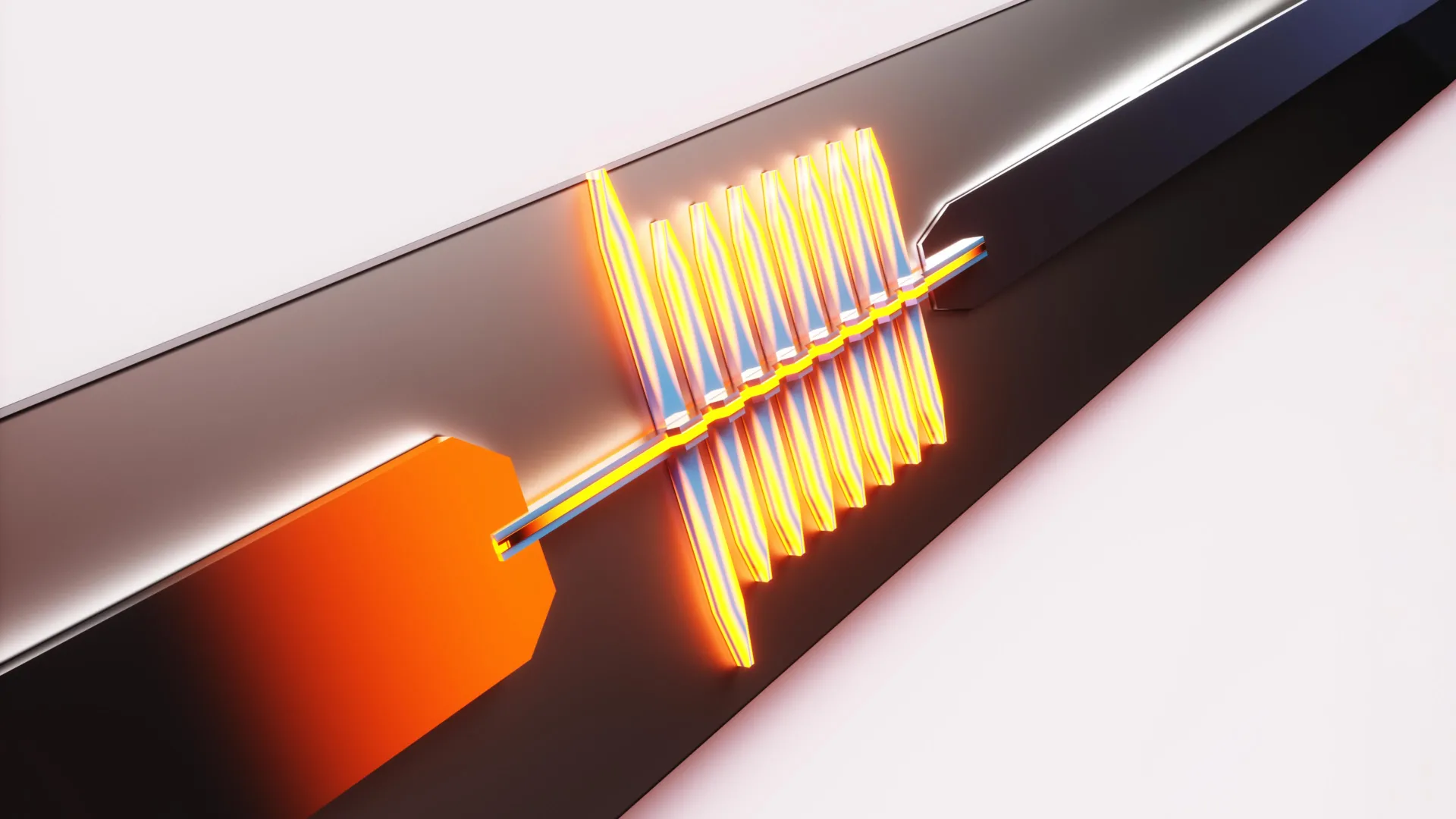
Researchers at Aalto University in Finland have achieved a remarkable breakthrough in ultra-sensitive measurement technology, successfully detecting energy levels smaller than one zeptojoule—an almost unimaginably tiny quantity equivalent to moving a red blood cell upward by one nanometer in Earth's gravity. The achievement represents a major advance in quantum sensor technology that could revolutionize quantum computing, enable individual photon counting, and potentially help scientists detect elusive dark matter particles from space.
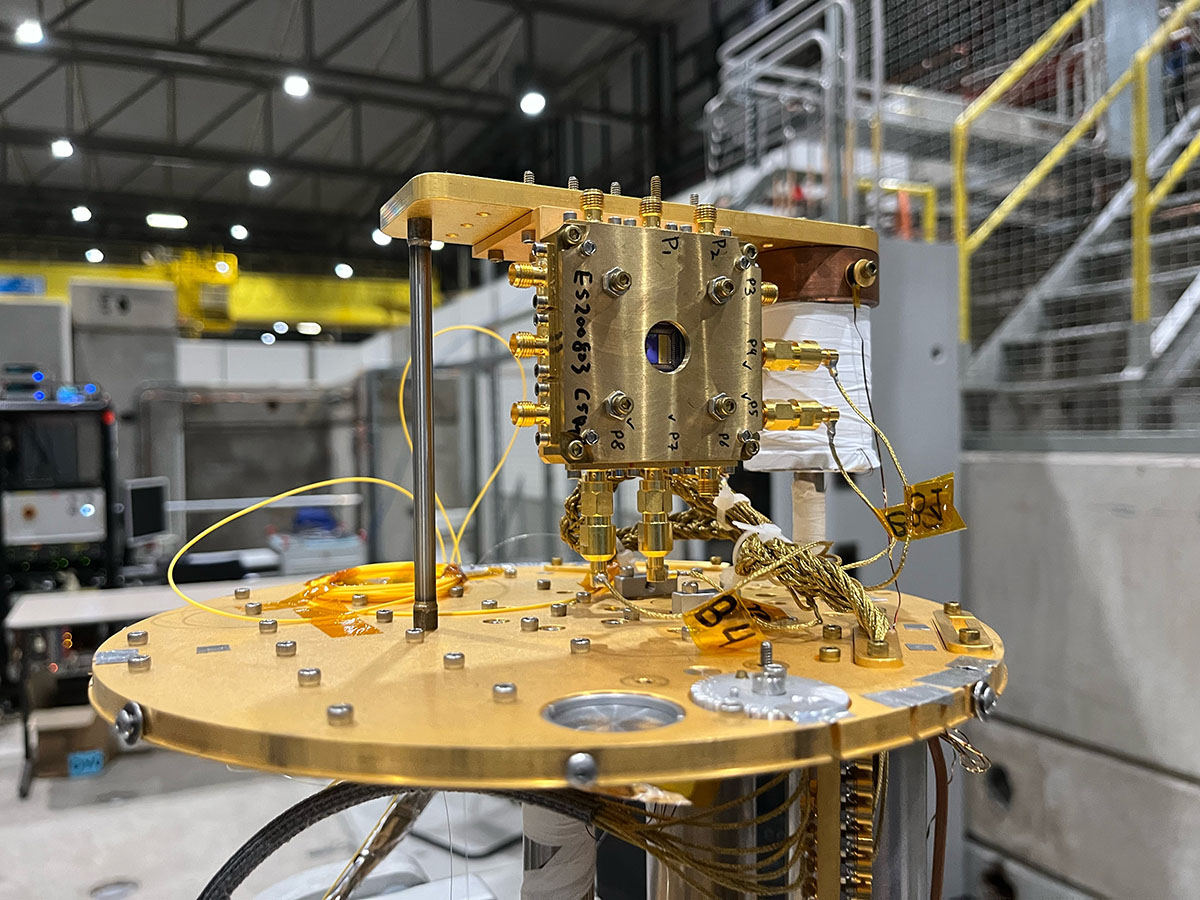
The research team, led by Academy Professor Mikko Möttönen and conducted in collaboration with quantum computing company IQM and the Technical Research Centre of Finland (VTT), developed an ultra-sensitive calorimeter capable of measuring extremely small changes in heat energy. Their findings, published in Nature Electronics, demonstrate the first time a calorimetric measurement device has reached such extraordinary sensitivity levels. A zeptojoule represents less than a trillionth of a billionth of a joule, pushing the boundaries of what scientists previously thought possible in energy detection.
The breakthrough relies on a sophisticated sensor constructed from two types of metals: superconductors that allow electricity to flow without resistance, and normal conductors that resist electrical flow. Möttönen, who is also a founder of the quantum computer company IQM, explained that the combination creates an extremely fragile superconducting state. "That combination of metals makes superconductivity such a fragile phenomenon that it weakens immediately if the temperature in the ultracold conductor rises even a little bit. This makes it such a sensitive setup," he noted.
The practical applications of this technology extend far beyond laboratory demonstrations. The researchers believe their ultra-sensitive calorimeter could eventually enable scientists to count individual photons, a long-standing goal in quantum technology and astrophysics. Perhaps most intriguingly, the system could be adapted to detect dark matter axions from space, exotic particles that scientists theorize make up a significant portion of the universe's missing matter. "We want to make this setup capable of measuring input that has an arbitrary time of arrival, which is important for things like detecting dark-matter axions in space when you have no idea when they might reach your system," the researchers explained.
The technology also holds promise for advancing quantum computing, as the calorimeter operates at the same extremely cold millikelvin temperatures required by qubits, the fundamental units of quantum information processing. This compatibility could lead to new types of quantum sensors and measurement devices that enhance the performance and reliability of quantum computers. The ability to detect such minute energy changes with unprecedented precision opens new possibilities for studying quantum phenomena and developing next-generation quantum technologies that could transform computing, communications, and fundamental physics research.