ULA's Vulcan Rocket Fails 10 Minutes Into Flight, Losing 40 Amazon Leo Satellites
It is the first outright failure of a United Launch Alliance rocket since the company was formed in 2006, and it will likely ground Vulcan while engineers look for the cause.
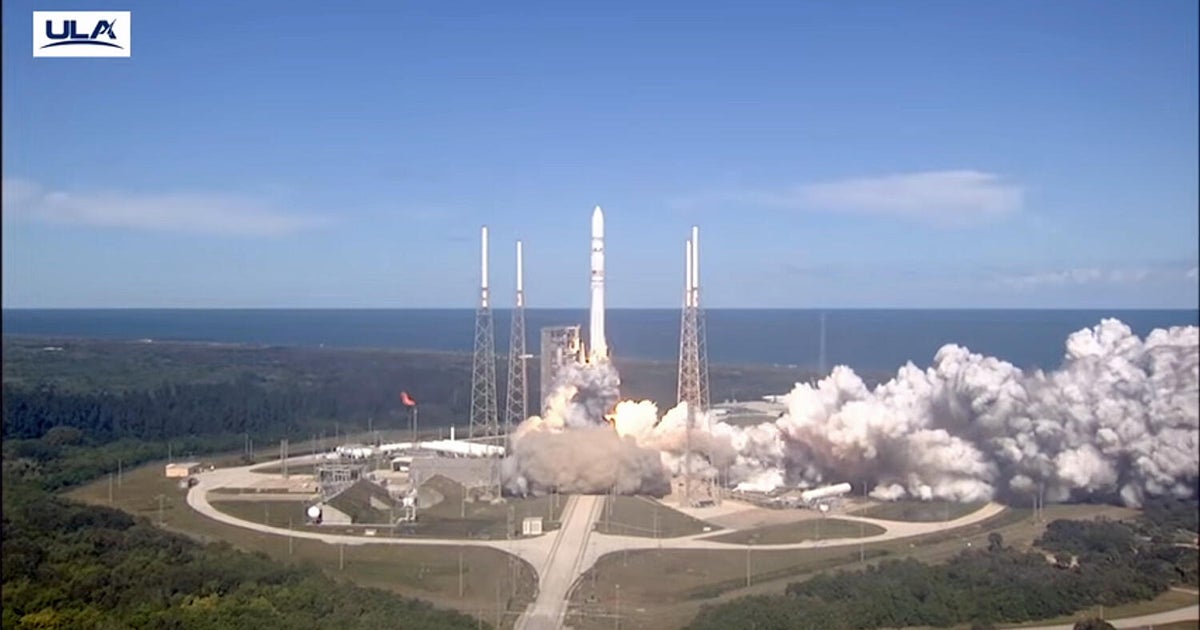
United Launch Alliance's new heavy-lift Vulcan rocket malfunctioned on its way to orbit Sunday, destroying the 40 Amazon Leo internet satellites it carried and throwing a costly wrench into the launch plans of both companies. "Based on data received by our Launch Director, we confirm that the Vulcan vehicle launched from Space Launch Complex 41 suffered an anomaly 10 minutes into the flight and failed to deliver the Amazon mission to orbit," ULA said in a statement about 50 minutes after liftoff.
It was the first outright failure of a ULA rocket since the company, a partnership of Boeing and Lockheed Martin, was formed in 2006. The cause was not immediately known. Vulcan, which is replacing ULA's Atlas 5 rockets, now faces a potentially significant grounding while engineers study the flight data and work out fixes.
The rocket lifted off from Cape Canaveral Space Force Station at 12:40 p.m. ET. The 214-foot-tall Vulcan flew on 3.8 million pounds of thrust from six Northrop Grumman solid-fuel boosters and two methane-burning BE-4 engines. The boosters appeared to work normally and fell away. The BE-4 engines then continued the climb but appeared to fire longer than ULA's pre-launch timeline called for. After stage separation, the hydrogen-fueled Centaur upper stage was supposed to burn for 12 minutes and 15 seconds. ULA said something went wrong during that burn but gave no further detail.
The flight was only Vulcan's fifth and its first in nine months. ULA and booster supplier Northrop Grumman spent that time fixing problems with the nozzles on the solid boosters, which had marred two earlier flights. Sunday's launch followed a scrubbed attempt Friday, after problems knocked out a gaseous nitrogen plant that serves several launch providers.
It was also the first of 38 Vulcan flights Amazon has bought to launch its Leo satellites, which are meant to compete with SpaceX's Starlink and other space-based internet services. ULA has already launched eight Leo missions on Atlas 5 rockets. Amazon has also booked 24 launches on Blue Origin's New Glenn, 24 on Europe's Ariane 6 and 13 on SpaceX's Falcon 9. The full constellation needs more than 3,300 satellites, and Sunday's flight would have raised the total launched to 436.
Amazon said in a post on X that "there is risk with any launch, and that's especially true for inaugural missions like LV-01." It added that "ULA has been a trusted partner for Amazon, and we believe they'll learn from this mission and deliver on their long-term plans for Vulcan."
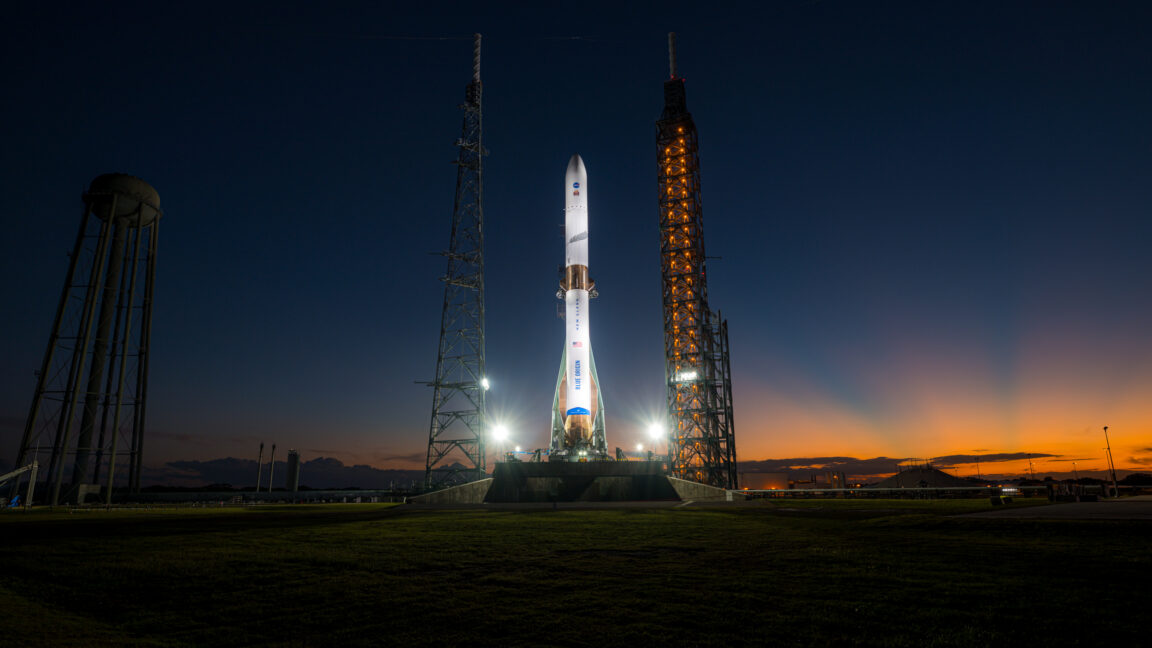
Amazon's other options are limited for now. It is waiting on Blue Origin, which is owned by Jeff Bezos, to get New Glenn flying again after a catastrophic explosion on the pad last May. That failure was traced to an oxygen valve in one of the rocket's seven BE-4 engines. Blue Origin also builds the BE-4 that powers Vulcan's first stage, and the engines used Sunday had been retrofitted with a fix.
NASA Administrator Jared Isaacman offered help. "The team at NASA is available to assist in all matters related to the investigation and remediation effort. Artemis, Moon Base, and the nation need ULA. We are in your corner and here to help," he wrote on X. ULA said it is "committed to full transparency with our customers" and will return to flight as quickly as it can once the cause is known.