A Super-Earth 25 Light-Years Away Sits in the ‘Sweet Spot’ for Life, Astronomers Report
A UC Irvine–led team detected a planet about twice the size of Earth orbiting a nearby red dwarf, receiving almost exactly as much starlight as Earth gets from the sun.

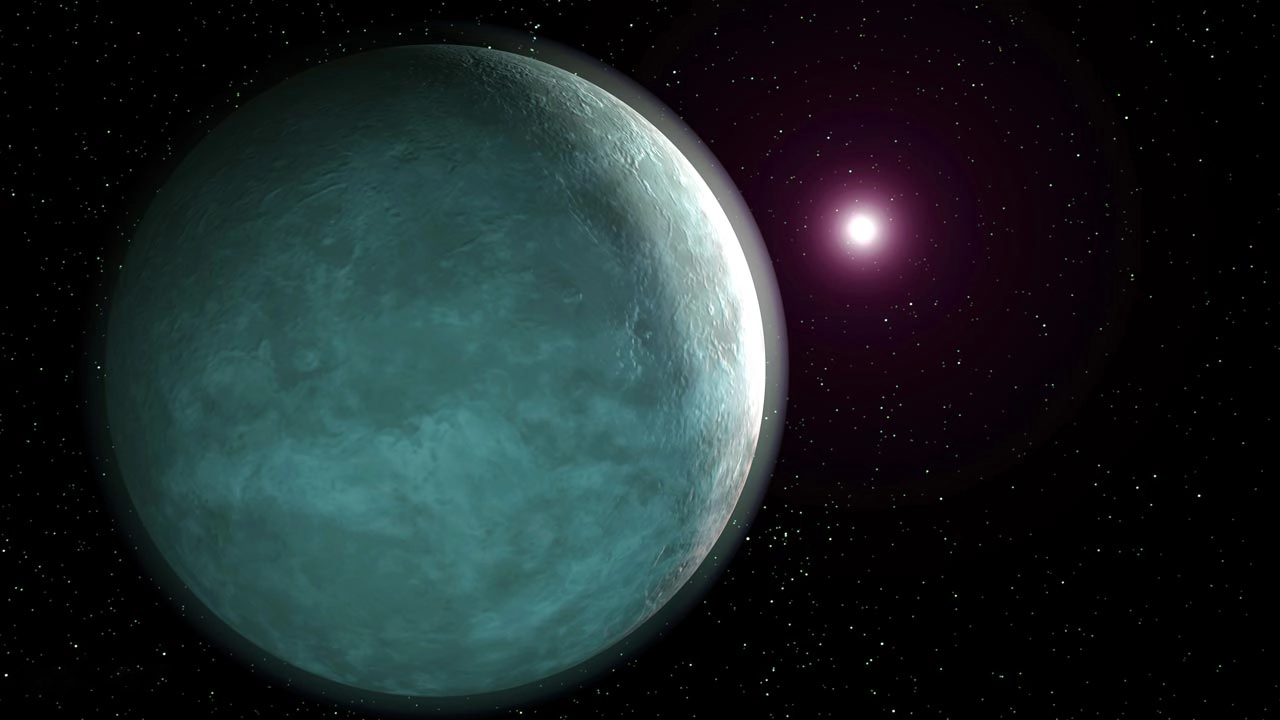
Astronomers have discovered a new Earth-like world orbiting a star just 25 light-years away, a super-Earth that sits squarely in the region around its star where liquid water — and potentially life — could exist.
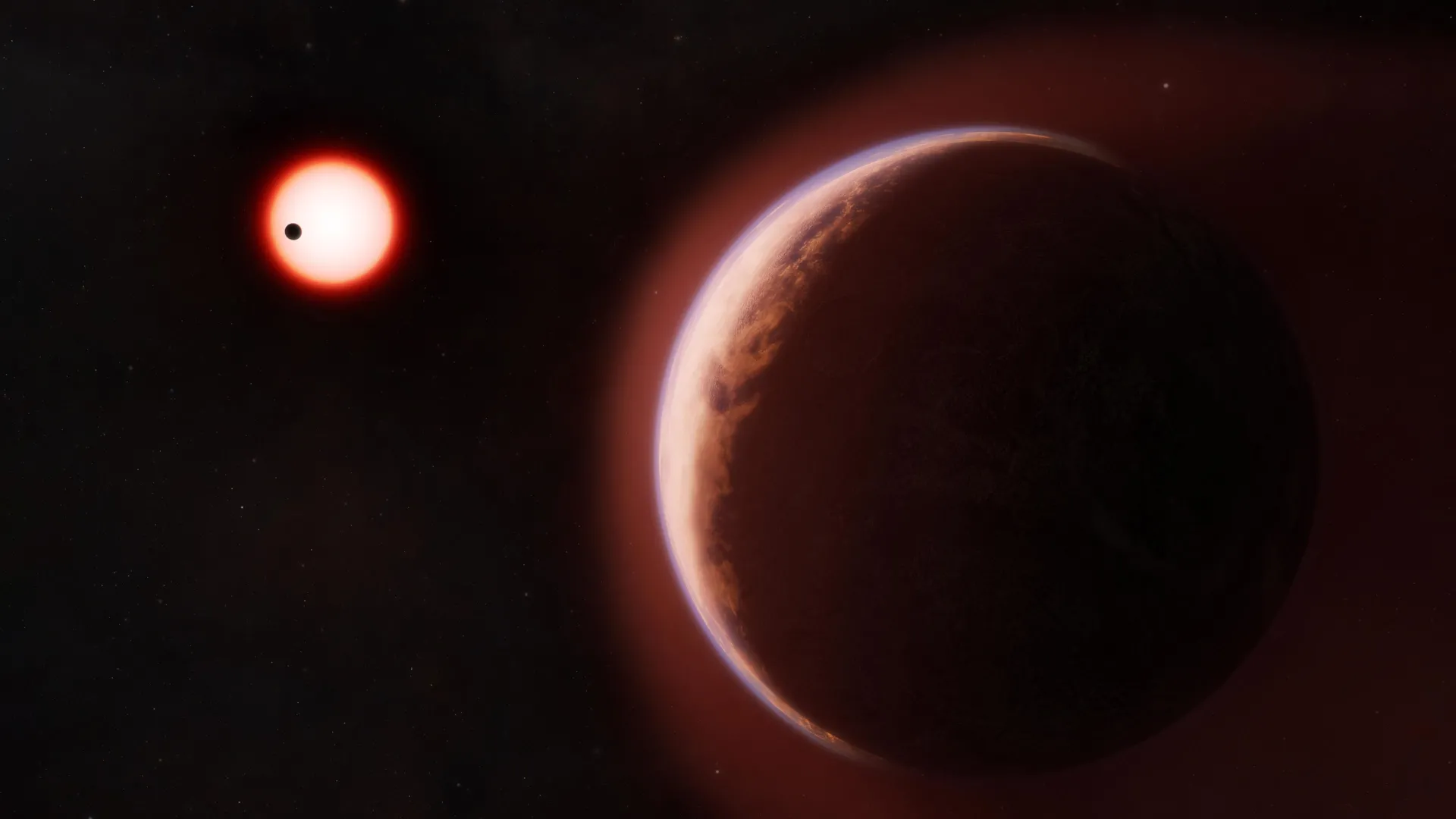
The planet, designated GJ 3378b, was found by a team led by Paul Robertson, an assistant professor of astronomy at the University of California, Irvine, and described in a paper in The Astrophysical Journal. It circles GJ 3378, a small, cool red dwarf star in the sun's galactic neighborhood, and is roughly twice the size of Earth with a minimum mass a little more than twice our planet's.
What makes the find compelling is how much the planet resembles Earth in the currency that matters most for habitability: starlight. "This super-Earth gets about 90 percent of the radiation from its host star as Earth gets from its sun, so it's right in the sweet spot," Robertson said. That places GJ 3378b within the star's habitable zone, the band of orbital distances where temperatures could allow water to remain liquid on a rocky surface.
Because the planet's star is a dim red dwarf rather than a sun-like star, the habitable zone lies much closer in, and the planet completes its orbit far faster than Earth does. Red dwarfs are the most common type of star in the Milky Way, which makes worlds like GJ 3378b important test cases for how often potentially life-friendly planets crop up around the galaxy's most abundant stellar hosts.
The detection did not come from watching the planet cross in front of its star, but from measuring the tiny gravitational tug the planet exerts on it. The team used two precision instruments: the Habitable-zone Planet Finder on the Hobby-Eberly Telescope at McDonald Observatory in Texas and the NEID spectrometer on the WIYN Telescope at Kitt Peak National Observatory in Arizona. Together they can register the star's minuscule back-and-forth wobble, revealing the presence and mass of an unseen companion.
Finding a planet in the habitable zone is not the same as finding life, and Robertson was careful to temper expectations, noting how thin the margin for a life-sustaining world can be. "If you scale the Earth down to the size of an apple, its atmosphere would be about as thick as the skin of the apple," he said, a reminder of how delicate the conditions for habitability are. Whether GJ 3378b holds any atmosphere at all remains unknown, but its proximity makes it an attractive target for future telescopes designed to sniff out the chemical fingerprints of distant air — and, just possibly, of life.