18th-Century Mechanical Volcano Design Finally Erupts to Life After 250 Years
University of Melbourne engineering students recreate Sir William Hamilton's 1775 Mount Vesuvius simulation using modern LED technology and electronic systems.
A mechanical volcano designed in 1775 to simulate the dramatic eruptions of Mount Vesuvius has finally been brought to life by two University of Melbourne engineering students, fulfilling a vision that remained dormant for exactly 250 years. The original concept came from Sir William Hamilton, British ambassador to Naples and Sicily from 1765 to 1800, who combined his diplomatic duties with a passionate interest in volcanology and mechanical artistry.
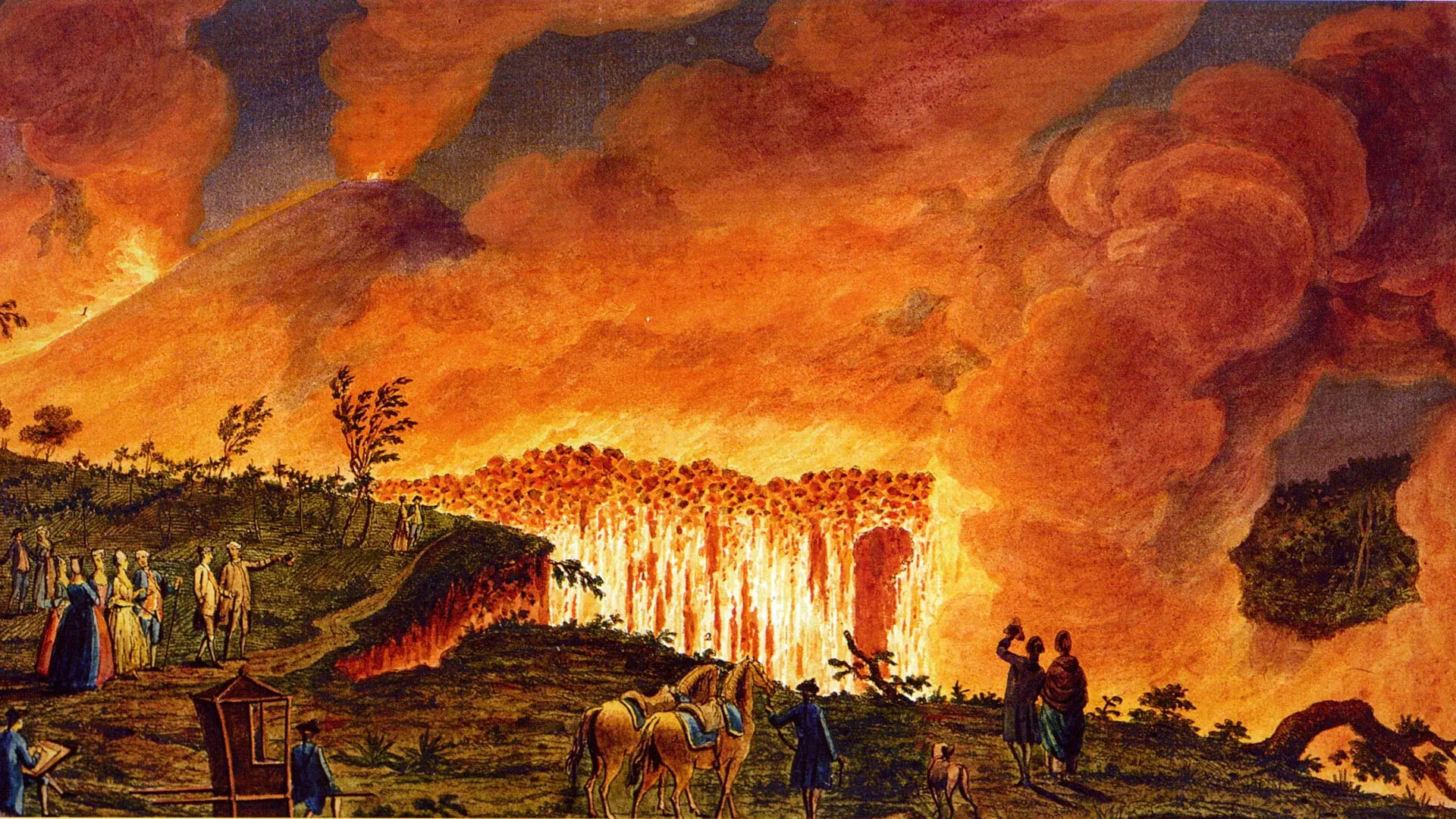
Hamilton's design was inspired by Pietro Fabris's 1771 watercolor 'Night view of a current of lava,' and was intended to use light and movement to recreate the spectacular visual effects of flowing lava and explosive volcanic bursts from Vesuvius. While it remains uncertain whether Hamilton ever successfully constructed his mechanical creation, a detailed sketch preserved in the Bordeaux Municipal Library provided the crucial foundation for its modern recreation.
Master of Mechatronics student Xinyu (Jasmine) Xu and Master of Mechanical Engineering student Yuji (Andy) Zeng spent three months building the device in The Creator Space student workshop under the guidance of research engineer Andrew Kogios. They adapted Hamilton's clockwork-based design using modern materials including laser-cut timber and acrylic, programmable LED lighting systems, and sophisticated electronic control mechanisms to achieve the desired volcanic effects.
"The project offered a wealth of learning opportunities. I've extended many skills, including programming, soldering and physics applications," Ms. Xu explained. Mr. Zeng noted that the experience provided invaluable hands-on problem-solving experience, while still facing some of the same fundamental challenges that Hamilton would have encountered, particularly in balancing the lighting effects to hide the mechanical components from view.
Dr. Richard Gillespie, Senior Curator in the Faculty of Engineering and Information Technology who initiated the project, emphasized its significance as both historical recreation and modern science communication. "It is fitting that after 250 years exactly, our students have brought this dormant project to life," he said. "It is a wonderful piece of science communication. People around the world have always been fascinated by the immense power of volcanoes." The completed device is now featured as the centerpiece of The Grand Tour exhibition at the University's Baillieu Library, bringing Hamilton's centuries-old vision to contemporary audiences.