
Physics
One X-Ray Photon Splits Water Into Atomic Oxygen Before Its Electrons Can Relax
Experiments at two synchrotrons show both O-H bonds can snap within a few femtoseconds, rewriting how scientists read X-ray measurements of water.
Experiments at two synchrotrons show both O-H bonds can snap within a few femtoseconds, rewriting how scientists read X-ray measurements of water.

Heavy oxygen in Mars' carbon dioxide rises in spring and summer in a way that known processes cannot explain, and the best fit is exchange with water in soil or liquid-like layers, a PNAS study says.
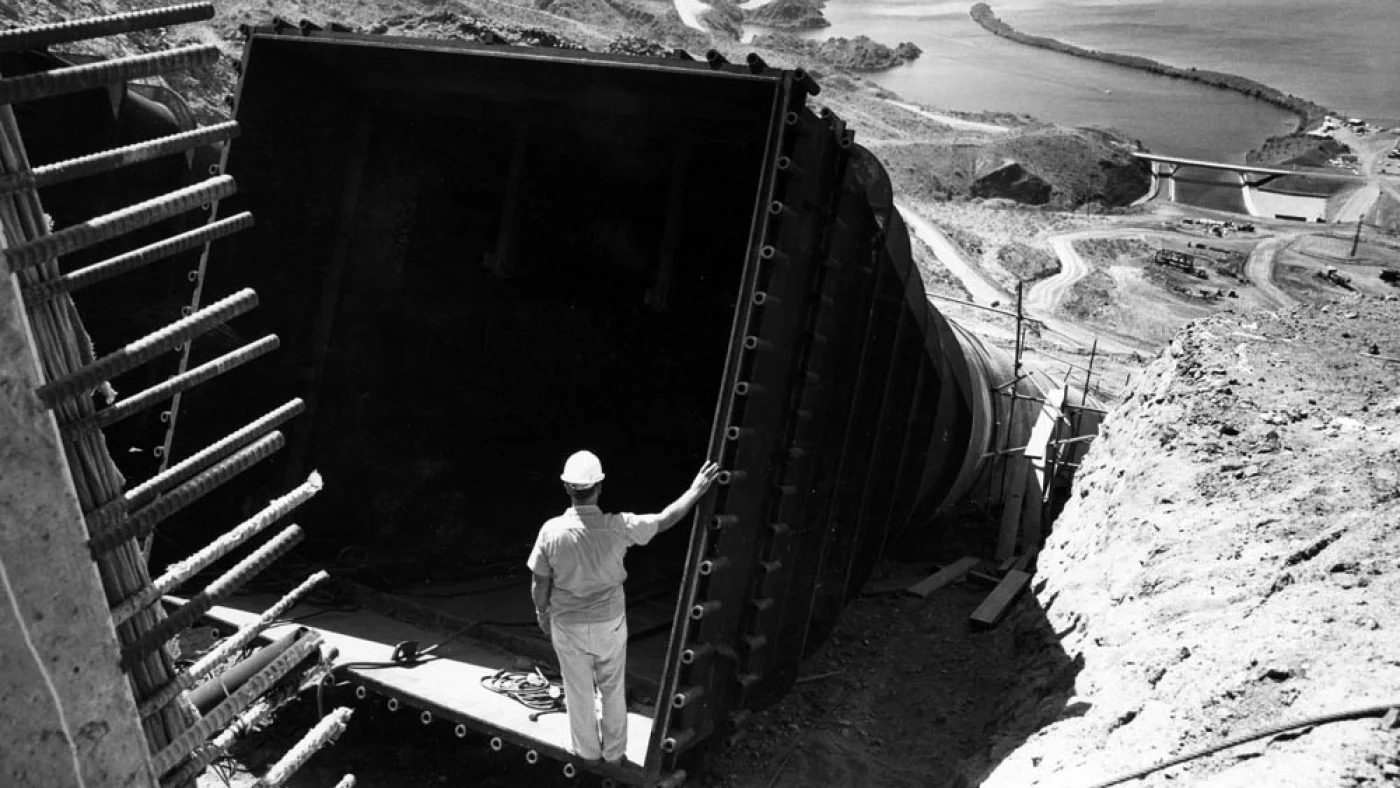
The Central Arizona Project's designers warned in the 1960s that its place at the back of the line would mean lower flows. Now the river's two biggest reservoirs sit at record lows.

Three experiments, including laser pulses billions of times brighter than conventional lasers, found no sign of the 'photomolecular effect' that earlier work proposed.

Confined inside phytantriol lipid layers, water skipped ice entirely down to minus 120 Celsius. Its molecular motion changed sharply between minus 35 and minus 20.
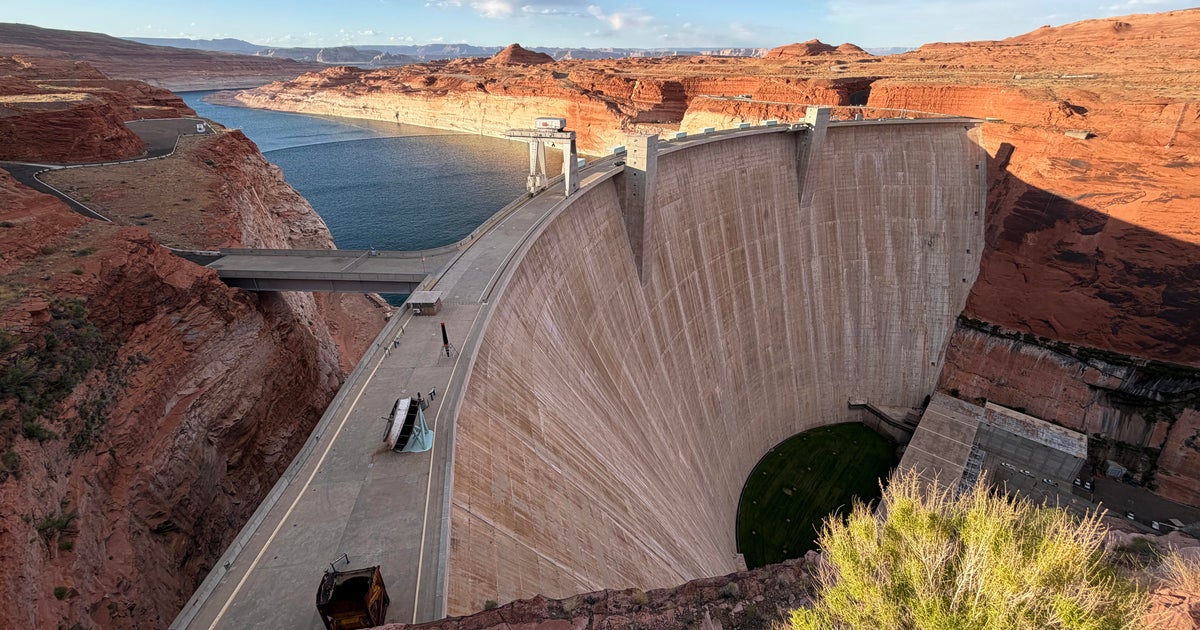
The Bureau of Reclamation's proposal spares the four Upper Basin states for now. Lake Powell could fall so low this year that Glen Canyon Dam's turbines stop spinning.
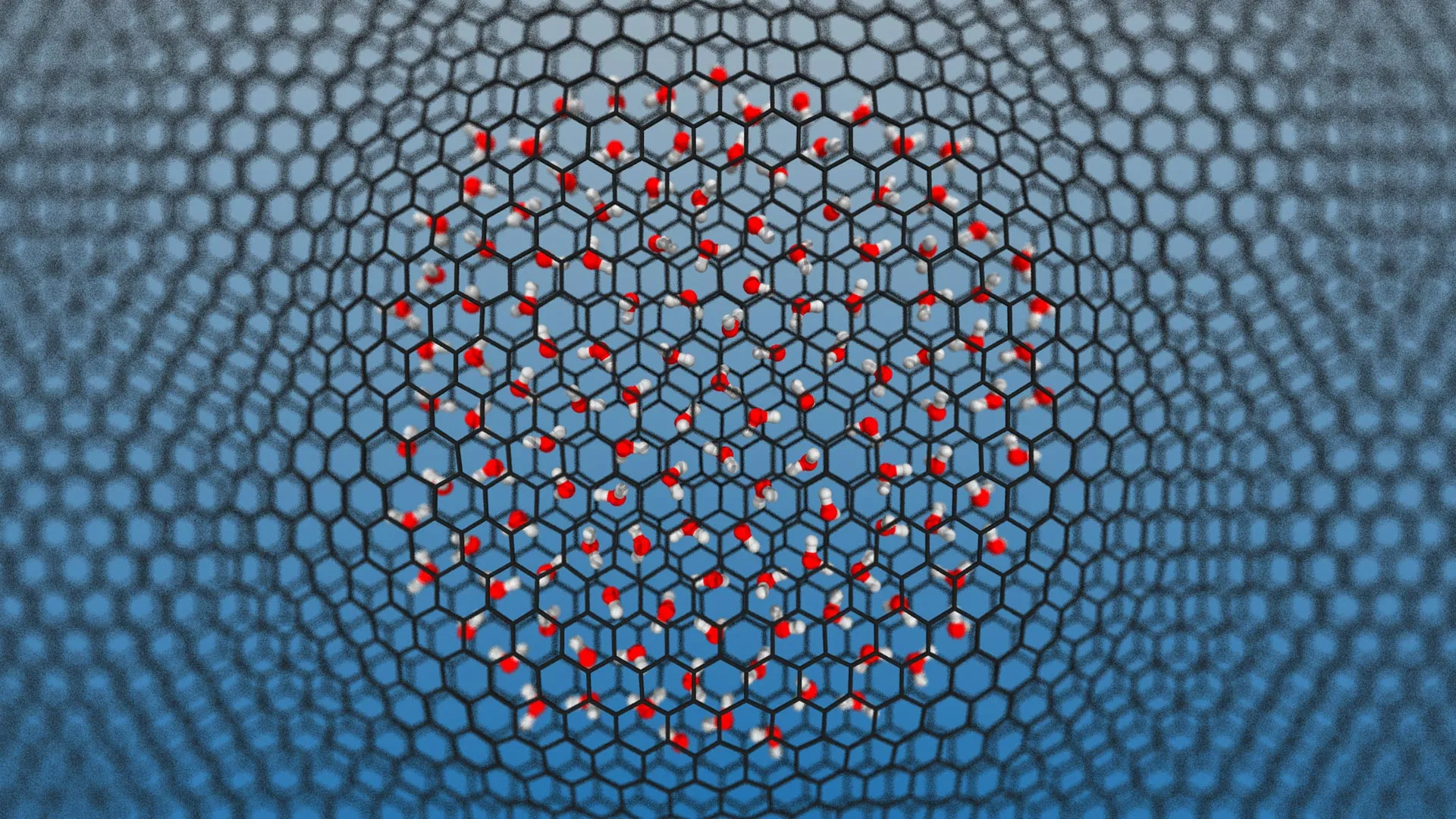
Cambridge-led researchers find that confined water isn't inherently more reactive — crushing internal pressure and the chemistry of the surrounding surface explain the long-mysterious effect.

A massive bet on desalination and aggressive conservation has left Southern California's second-largest city with a surplus — and thirsty agencies in Nevada and Arizona are lining up to buy it.

Stockholm University researchers used ultra-fast X-ray pulses to experimentally confirm the liquid-liquid critical point in supercooled water at –63°C, settling a debate dating to 1892 and illuminating why water's strange properties make life on Earth possible.
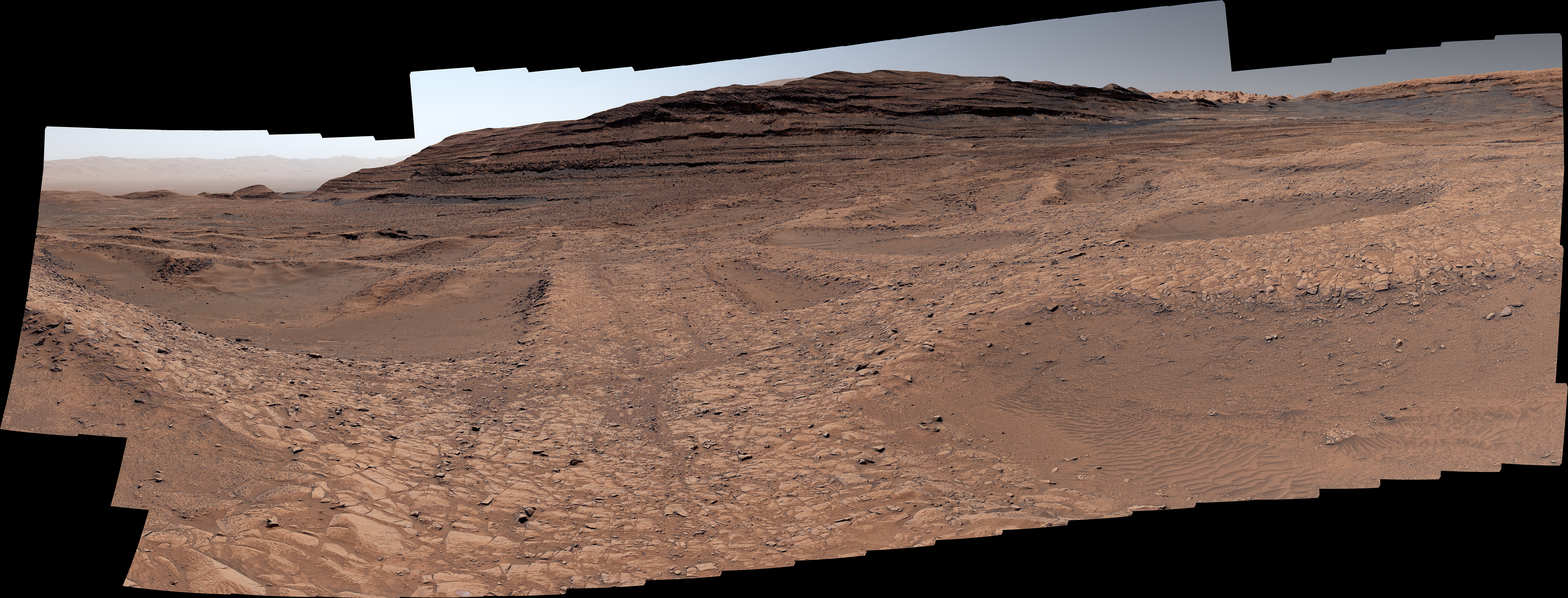
Six months into exploring an expanse of web-like mineral ridges in Gale Crater, Curiosity has drilled rock samples revealing clay and carbonate minerals that could only form in long-lived liquid water, suggesting Mars remained hospitable far longer and higher up its geology than scientists previously believed.