NASA's Curiosity Rover Drives Into Mars's 'Spiderwebs' — Rocky Ridges That May Reveal an Ancient Habitable World
Six months into exploring an expanse of web-like mineral ridges in Gale Crater, Curiosity has drilled rock samples revealing clay and carbonate minerals that could only form in long-lived liquid water, suggesting Mars remained hospitable far longer and higher up its geology than scientists previously believed.
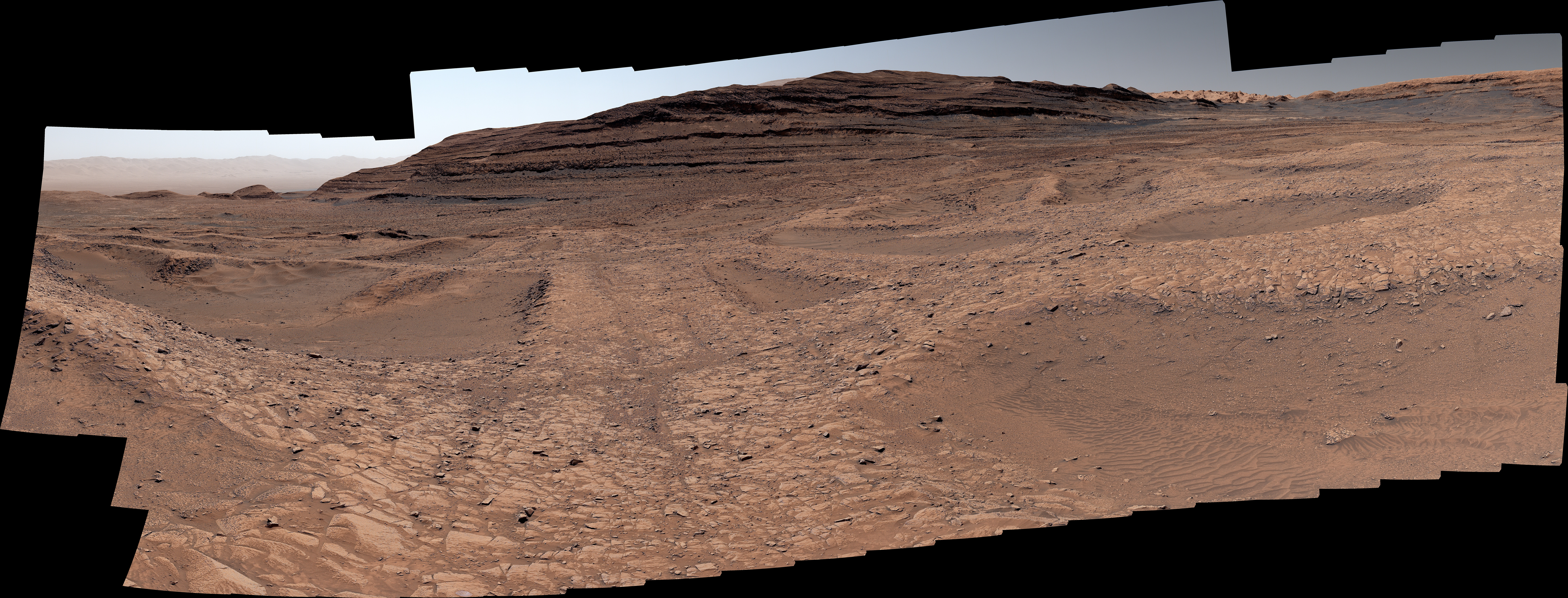
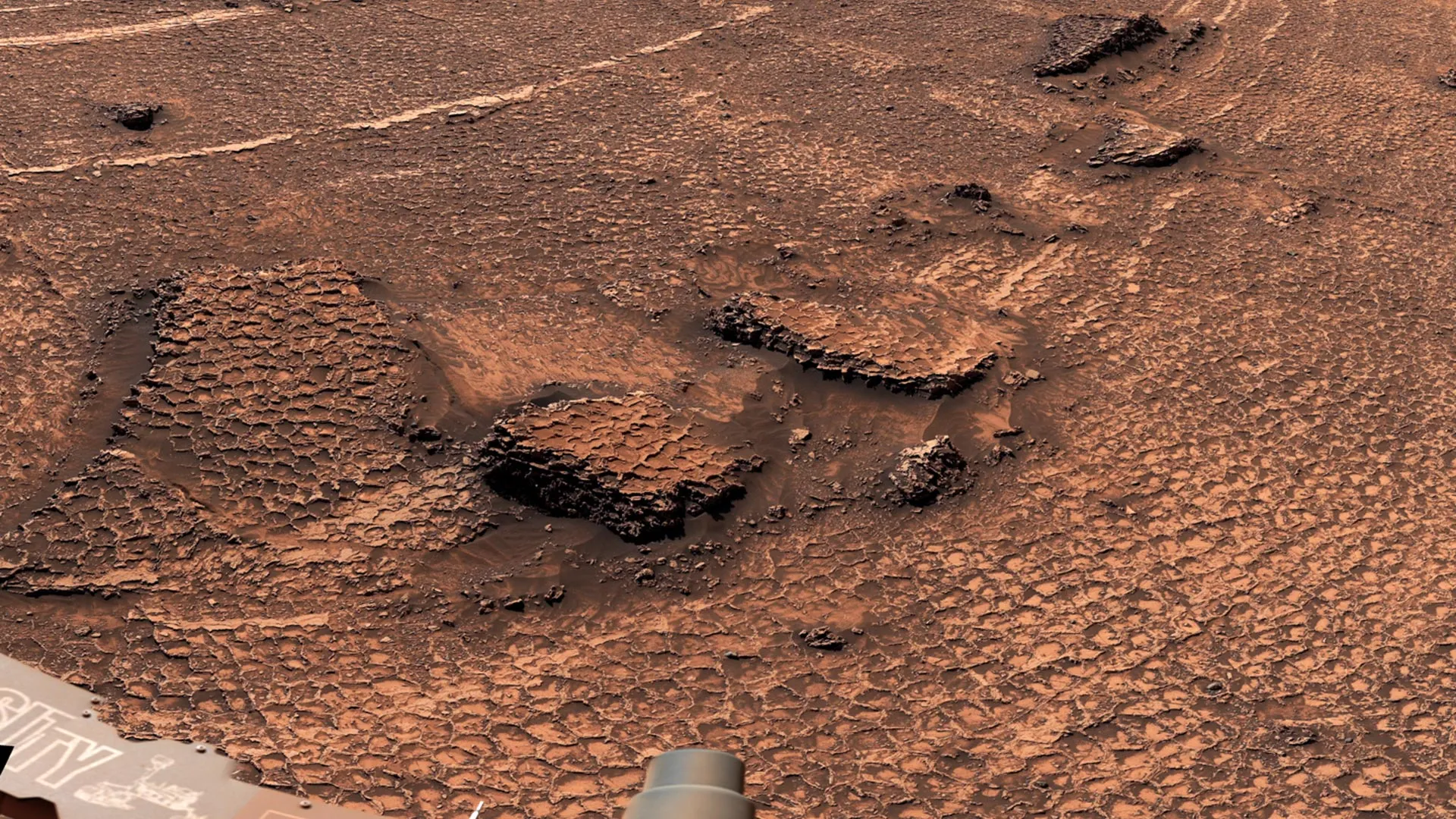
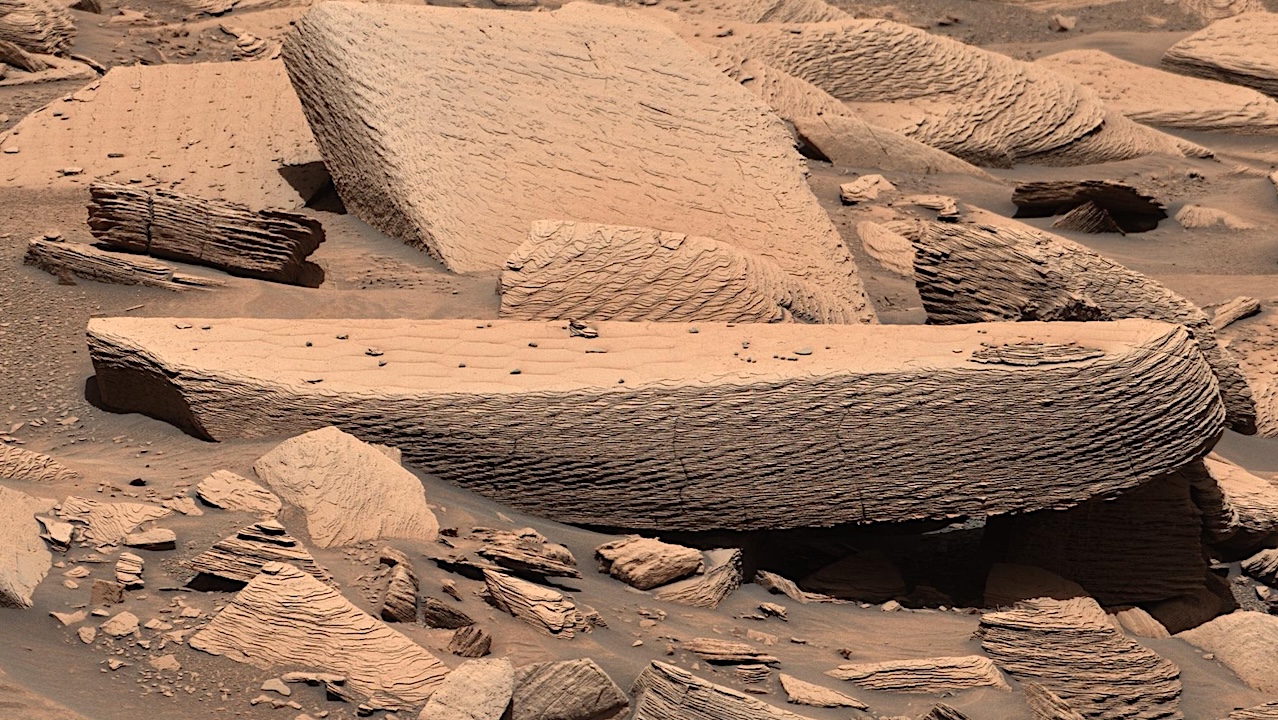
For six months, NASA's Curiosity Mars rover has been navigating through some of the most geologically compelling terrain the mission has encountered in its 13-year history: an expansive field of intersecting rocky ridges one to two meters tall, arranged in web-like geometric patterns across the Martian surface. Scientists call these structures "boxwork" formations, and new chemical analyses from drilled rock samples reveal they contain minerals that could only have formed in the sustained presence of liquid water — potentially extending the period during which Mars harbored conditions suitable for life far longer than previously thought.
The boxwork formations on Mars bear a resemblance to similar structures found in caves on Earth, such as the celebrated boxwork in Wind Cave National Park in South Dakota, which formed when calcite minerals crystallized in pre-existing fractures in the rock while the surrounding softer material slowly eroded away. The Martian version likely formed through an analogous process: ancient groundwater percolated through fractures in the bedrock over long periods, depositing dissolved minerals in those cracks. As Mars lost its water and became the arid world it is today, erosion stripped the surrounding softer rock while the mineral-hardened fracture fills remained standing as ridges — a three-dimensional record of an ancient subsurface water system.
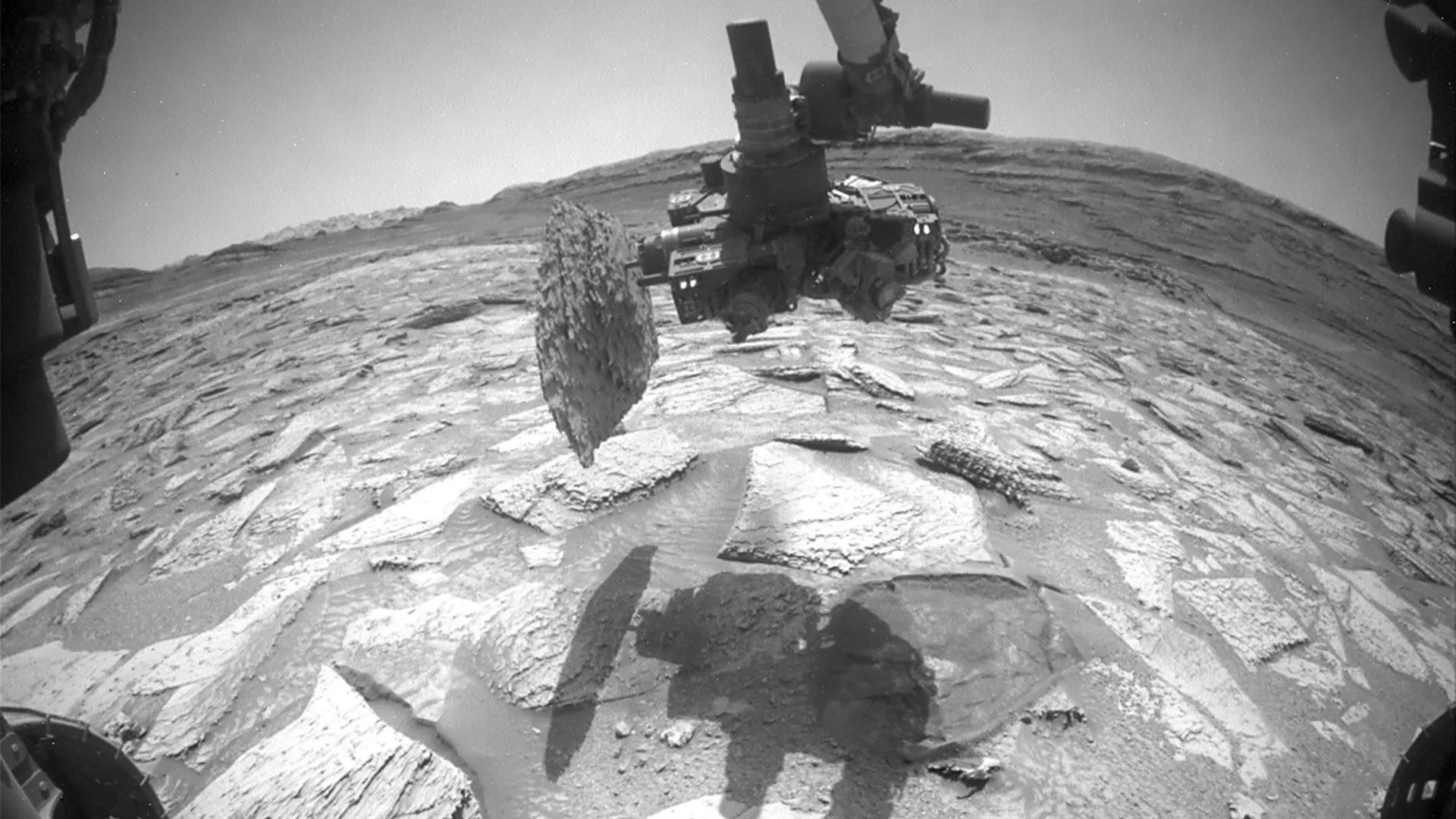
Curiosity has been investigating the boxwork terrain since late 2025, drilling rock samples from both the ridges themselves and the sandy hollows between them. Using the rover's Chemistry and Mineralogy instrument (CheMin), which performs X-ray diffraction analysis, and its Sample Analysis at Mars (SAM) high-temperature oven system, researchers detected clay minerals within the ridge material and carbonate minerals in the hollows. The presence of both clay and carbonate minerals at the same location is chemically significant: clay minerals form in the presence of water under relatively neutral conditions, while carbonates indicate water interacting with carbon dioxide over extended periods. Together, they paint a picture of a water system that was chemically complex and long-lived.
"Seeing boxwork this far up the mountain suggests the groundwater table had to be pretty high," said Tina Seeger of Rice University, one of the researchers analyzing the data. "And that means the water needed for sustaining life could have lasted much longer than we thought looking from orbit." Current geological models suggest Mars was warm and wet primarily during its Noachian period, roughly 3.5 to 4 billion years ago, but the elevation of the boxwork terrain — well up the slopes of Mount Sharp, the five-kilometer central mound of Gale Crater that Curiosity has been climbing since 2014 — suggests groundwater activity persisted into the later Hesperian era, pushing back estimates of when Mars became truly inhospitable.
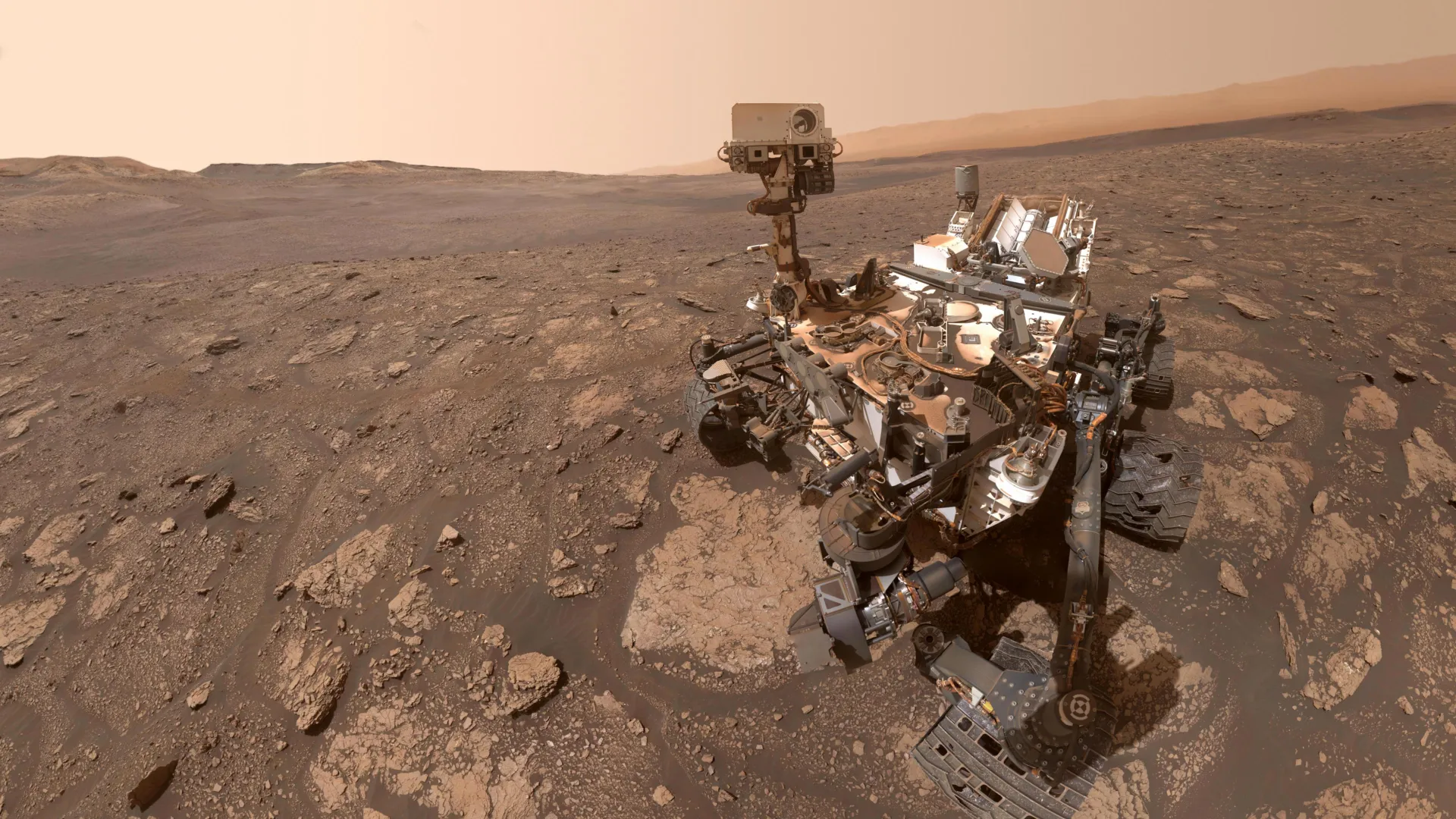
Curiosity, now operating more than a decade past its original two-year design life and still returning high-quality science, plans to continue drilling into the boxwork ridges to fully characterize their mineral content and reconstruct the history of the water that built them. Each new drill sample adds another data point to what is becoming an increasingly detailed portrait of a Mars that may have been not just transiently wet, but habitable across a wide variety of environments and over a span of time more generous than the early consensus suggested — making the planet's potential to once have harbored microbial life a question that remains genuinely open.