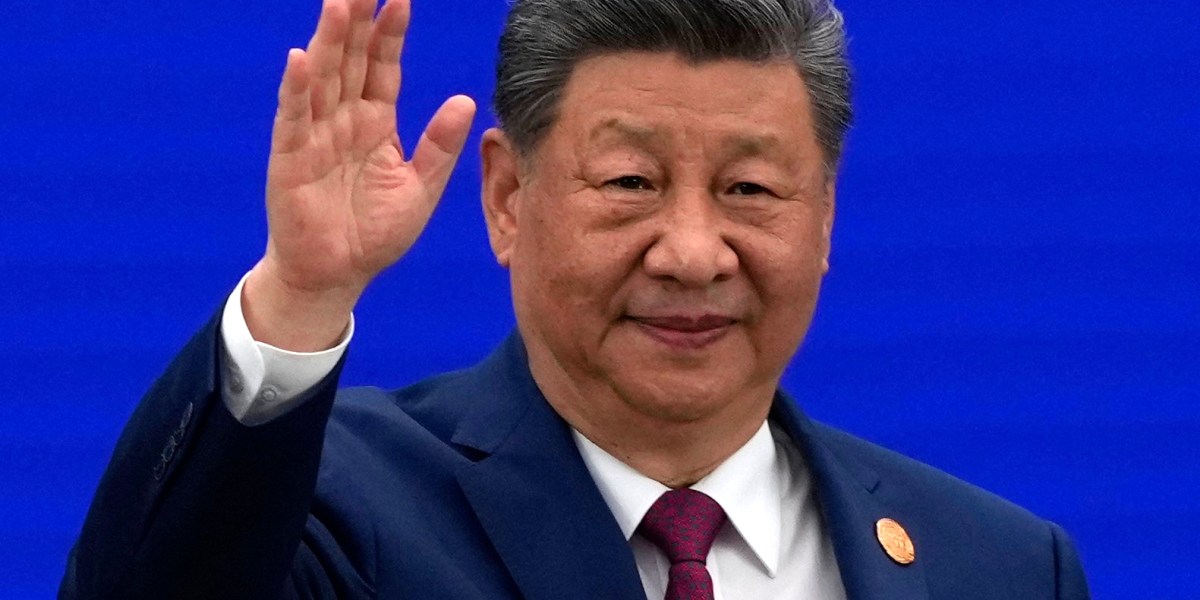
Xi Jinping Landed in Cairo for the First Time in a Decade, and Egypt Signed 25 Agreements
China's leader used a three-day state visit to pitch Beijing as the Middle East's stabilizer while the United States is six months into a war with Iran.
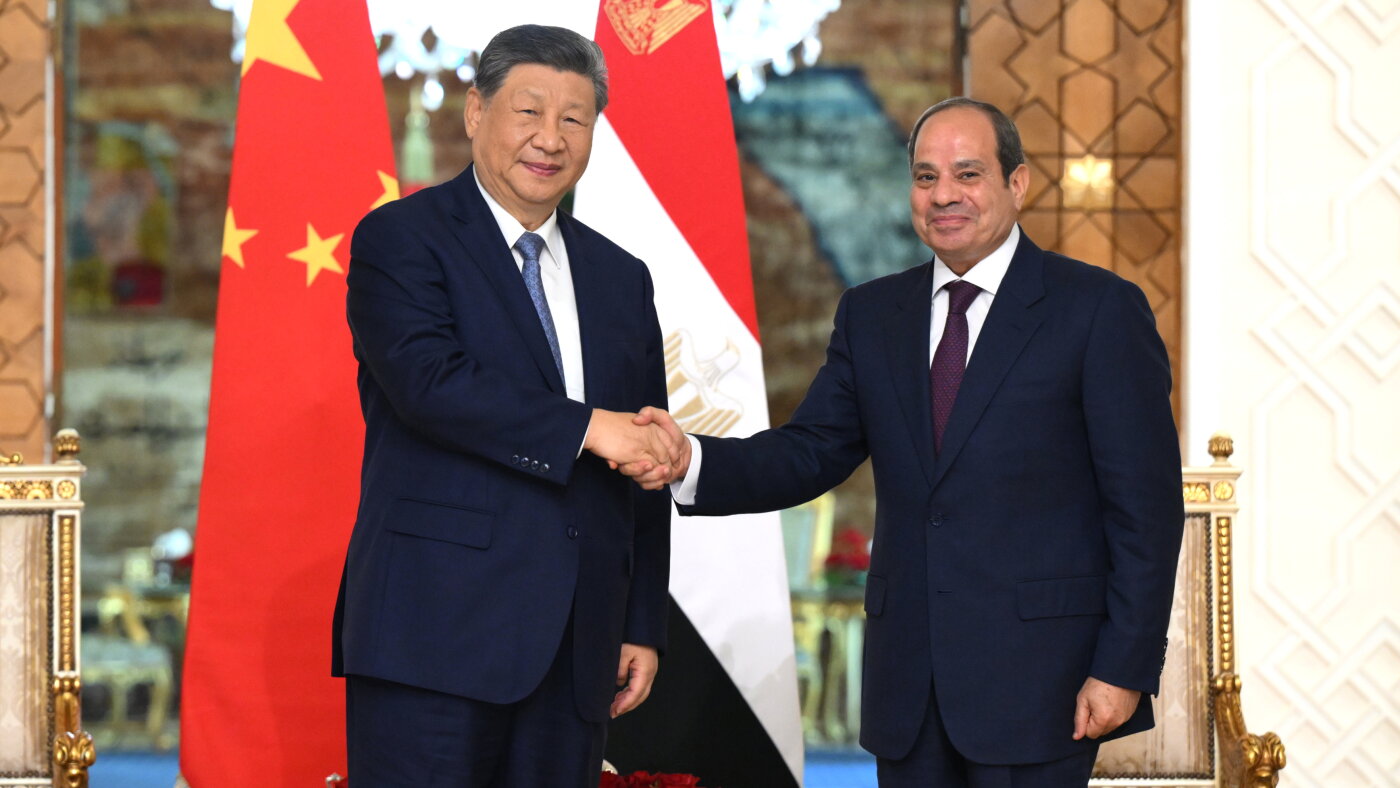
Chinese President Xi Jinping arrived at Cairo airport on Tuesday evening to Chinese and Egyptian flags on the tarmac and a red-carpet welcome from President Abdel Fattah el-Sissi and a military honor guard. It was his first trip to Egypt in ten years and his first visit anywhere in the Middle East since he went to Saudi Arabia in 2022.
The stated business was economic. The two governments signed 25 bilateral agreements covering trade, technology, security and military cooperation, including a third phase of the Egyptian-Chinese industrial zone at the Suez Canal, which already houses about 200 companies and roughly $4 billion in investment. China has put more than $10 billion into Egypt overall, building a business hub east of Cairo and an electric rail line serving industry in the Nile Delta. Annual trade between the two runs about $20 billion by government figures. U.S.-Egypt trade was $15.7 billion in 2025.
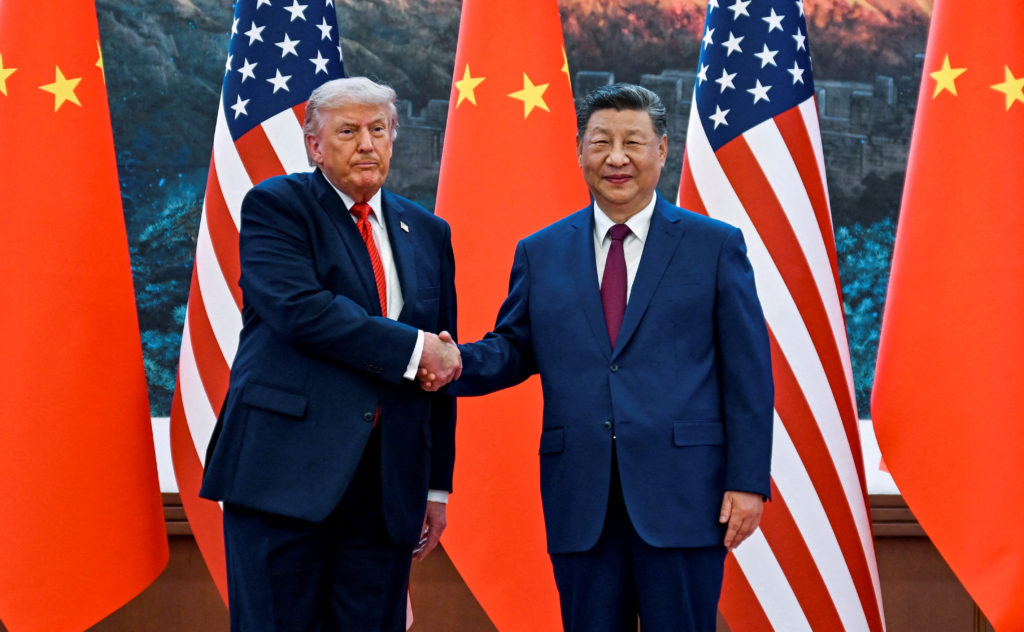
The subtext was harder to miss. Egypt is one of Washington's most important security partners in the region, and Xi spent the visit positioning China as the alternative. In talks Wednesday he said Cairo and Beijing should jointly oppose "unilateralism and acts of bullying" and work "for a more just and equitable global governance system," according to the state news agency Xinhua. "China continues to build up its soft power reserves while the United States self-sabotages its own stock," Amr Hamzawy, director of the Carnegie Middle East Program, wrote earlier this year with former fellow Kathryn Selfe.
The war matters to the map. With oil shipments through the Strait of Hormuz badly disrupted by the six-month U.S.-Iran conflict that began Feb. 28, the Suez Canal has become the alternative route for getting energy out of the region — and Egypt controls it. "China has good reason to strengthen ties with the country that controls the route still open," said Muhammad Zulfikar Rakhmat, a Middle East analyst at Jakarta's Center of Economic and Law Studies. Xi views Egypt, he said, "as a base to reach the wider Arab and African world, at a time when the U.S. has less attention to spare there."
Egypt has been diversifying for years. It was invited into the BRICS bloc in 2023 and signed Belt and Road agreements with China the following year. The two leaders marked 70 years of diplomatic relations by publishing friendly op-eds in Egypt's state newspapers on Tuesday: Xi called for expanding "the scope of pragmatic collaboration," while el-Sissi praised Chinese investment and restated Cairo's support for Beijing's claim to Taiwan. In August, the two militaries held a multiday air exercise across several Egyptian bases.
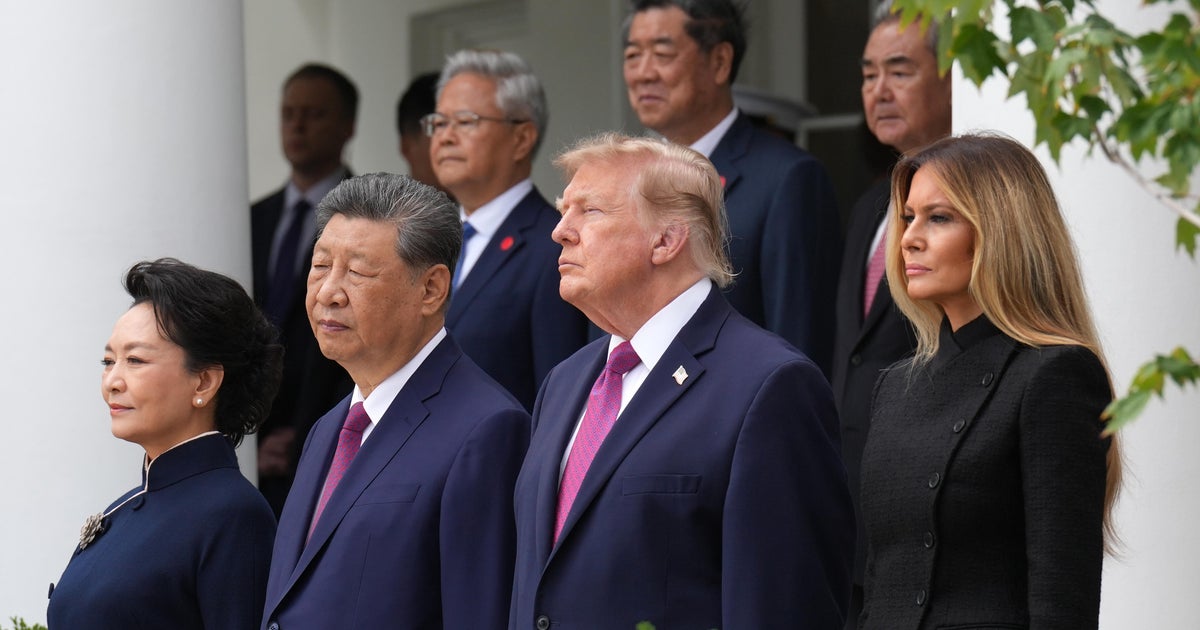
Xi also toured the Grand Egyptian Museum near the Giza pyramids with his wife, Peng Liyuan, alongside el-Sissi and first lady Entissar el-Sissi.