White House Backs Off Order Giving Political Appointees a Veto Over NIH Grants
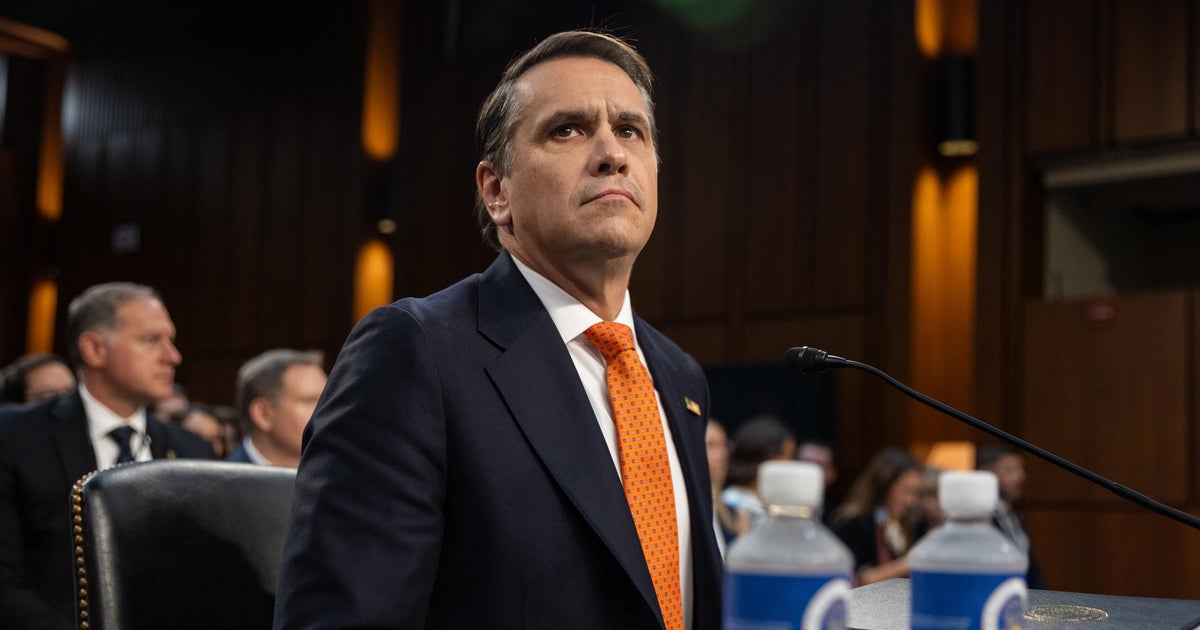
Sen. Susan Collins says the plan to let Russ Vought and other appointees block research awards is 'looking dead' after a bipartisan backlash, though insiders say it may come back after the midterms.
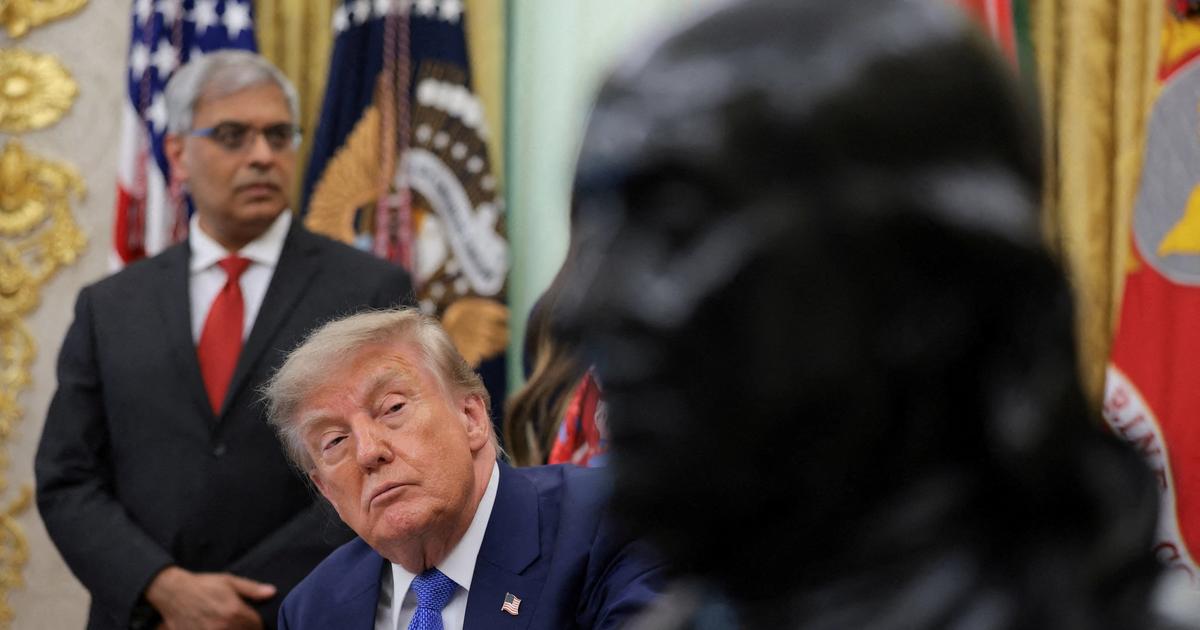
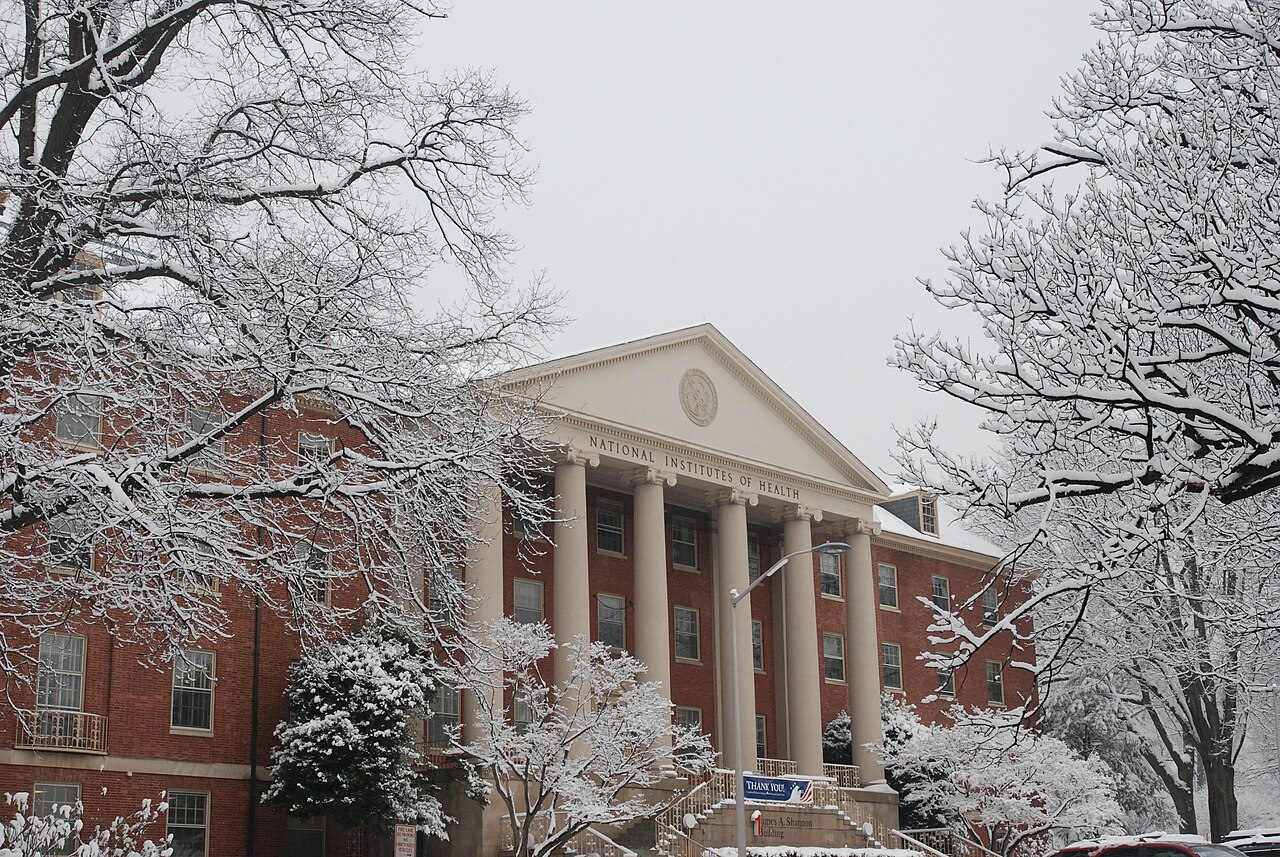
The Trump administration is dropping its plan for an executive order that would have let a panel of political appointees veto research grants at the National Institutes of Health, after senators from both parties lined up against it.
The retreat was first reported by Semafor on Wednesday, citing three people familiar with the process. STAT reported that the order was "looking dead," according to one person familiar with the decision and Sen. Susan Collins, R-Maine, who chairs the Senate Appropriations Committee. The White House and NIH declined to comment to Semafor.
The idea came out of a contentious Oval Office meeting last Friday. The Washington Post reported that Office of Management and Budget Director Russell Vought accused the NIH of funding work that doesn't match the administration's goals. The proposed order would have created a commission of political appointees, including Vought, with the power to block grant awards. It was aimed in part at curbing diversity, equity and inclusion work, and Politico reported that President Donald Trump liked the idea partly because it would help him go after Harvard University's research money. The NIH has a budget of about $47.5 billion, and more than 80 percent of it goes out as grants.
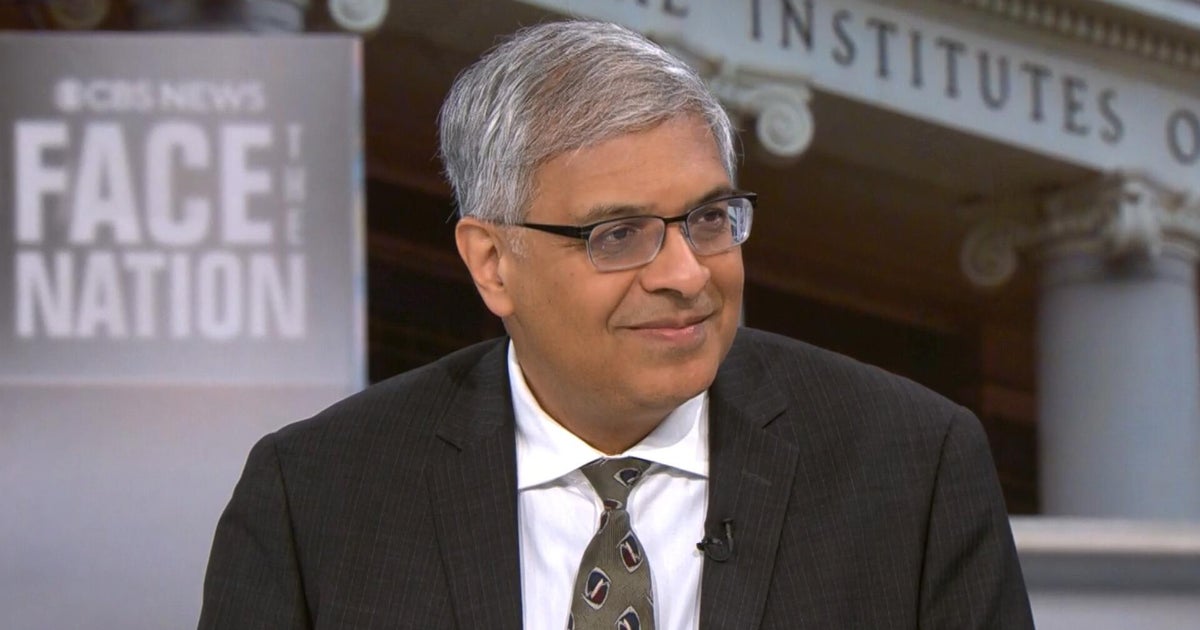
Collins wrote to Vought and NIH Director Jay Bhattacharya on Tuesday urging them to drop the plan. "I urge you not to move forward with this proposal, which would undermine … the Federal government's objective of funding biomedical research projects based on scientific merit and value rather than political ideology," she wrote. Collins told Semafor that White House chief of staff Susie Wiles was also worried about the fallout. She said she hoped the order would not be issued, and that if it was, she would keep working in the Appropriations Committee to block it.
Democrats claimed the win too. "It shouldn't take public outcry to prevent President Trump and Russ Vought from laying waste to the NIH and defunding lifesaving research because they think it's 'woke' or want to extort a university," said Sen. Patty Murray of Washington, the top Democrat on the Appropriations Committee.
The fight may not be over. Semafor reported that the White House could still issue a different order on NIH grants, and one person familiar with the plans said the administration wants to revisit the issue after the midterm elections with an order that avoids the look of "political meddling with science." Money is also a factor. A person familiar with the talks told Semafor the administration had to pull back because Congress would not pass a stopgap spending bill by Dec. 11 if the order went out.
It is the latest attempt by Vought's budget office to take tighter control of science funding, and Congress has pushed back on several of them. Lawmakers limited his policy of paying multiyear grants all at once, rejected the administration's proposed 41 percent cut to the NIH budget and blocked a proposed rewrite of federal grant rules that would have weakened peer review. An NPR analysis published Thursday found that through early July the agency was still running about 42 days behind its usual pace in handing out grants. As of July, three-quarters of the way through the fiscal year, it had committed only about half its budget.