NIH Director on Childhood Vaccines: 'I've Vaccinated My Kids' and Parents Should Too
Jay Bhattacharya said flatly that he trusts the science on measles, DTP and the standard childhood schedule — a message that lands differently coming from an agency under Robert F. Kennedy Jr.
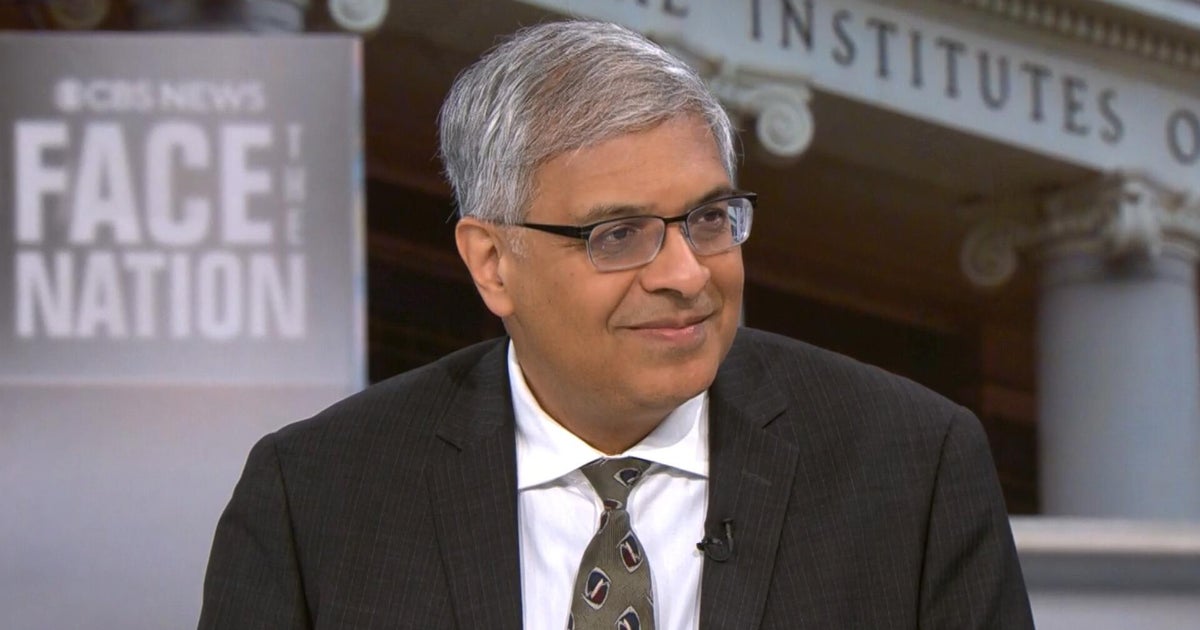
Asked on Sunday whether he trusts the science on childhood vaccines, the director of the National Institutes of Health did not qualify the answer. "I trust the science," Dr. Jay Bhattacharya said on CBS News' "Face the Nation."
He went further than the phrase itself. "I think that parents, for most kids, especially for the measles vaccines, the DTP, all the standard childhood vaccines, it's very important that parents vaccinate their kids," Bhattacharya said. Pressed on whether that was an official position or a personal one, he made it both: "I'm giving my recommendation — I've vaccinated my kids."
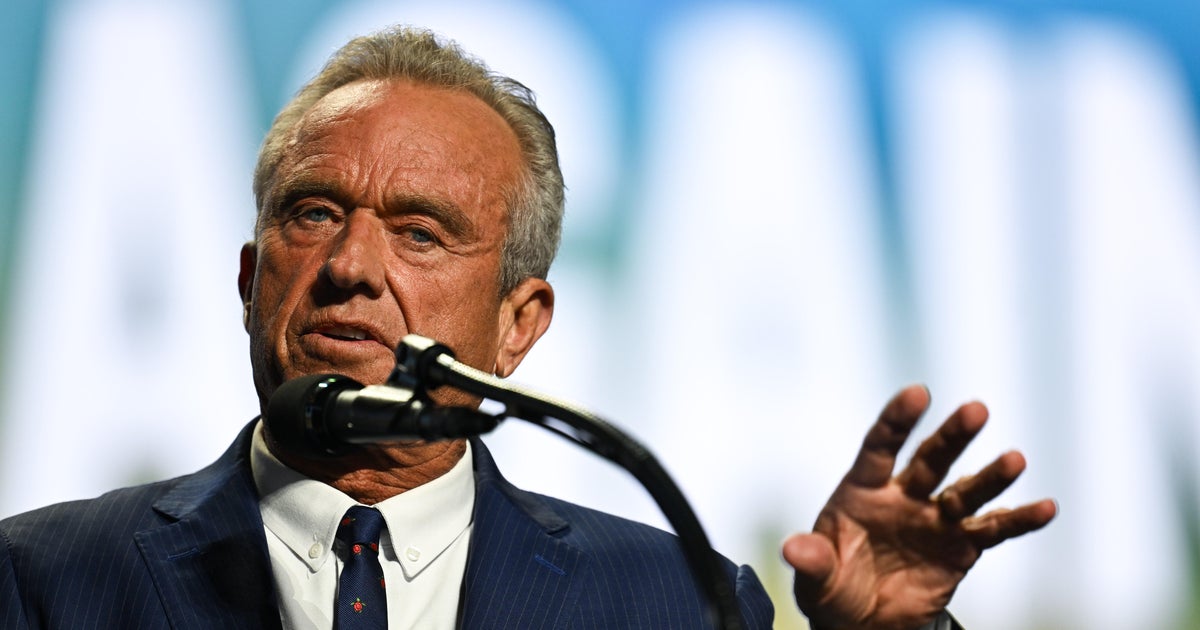
The remarks matter because of who Bhattacharya reports to. Health and Human Services Secretary Robert F. Kennedy Jr. is a longtime critic of vaccines who has promoted the long-debunked claim linking them to autism, and the department he runs has spent the year reworking federal vaccine advisory machinery. Kennedy has himself told CNN that parents should vaccinate their children against measles. But an NIH director volunteering that he personally vaccinated his own children, on a Sunday show, is a plainer signal than the department has usually sent.
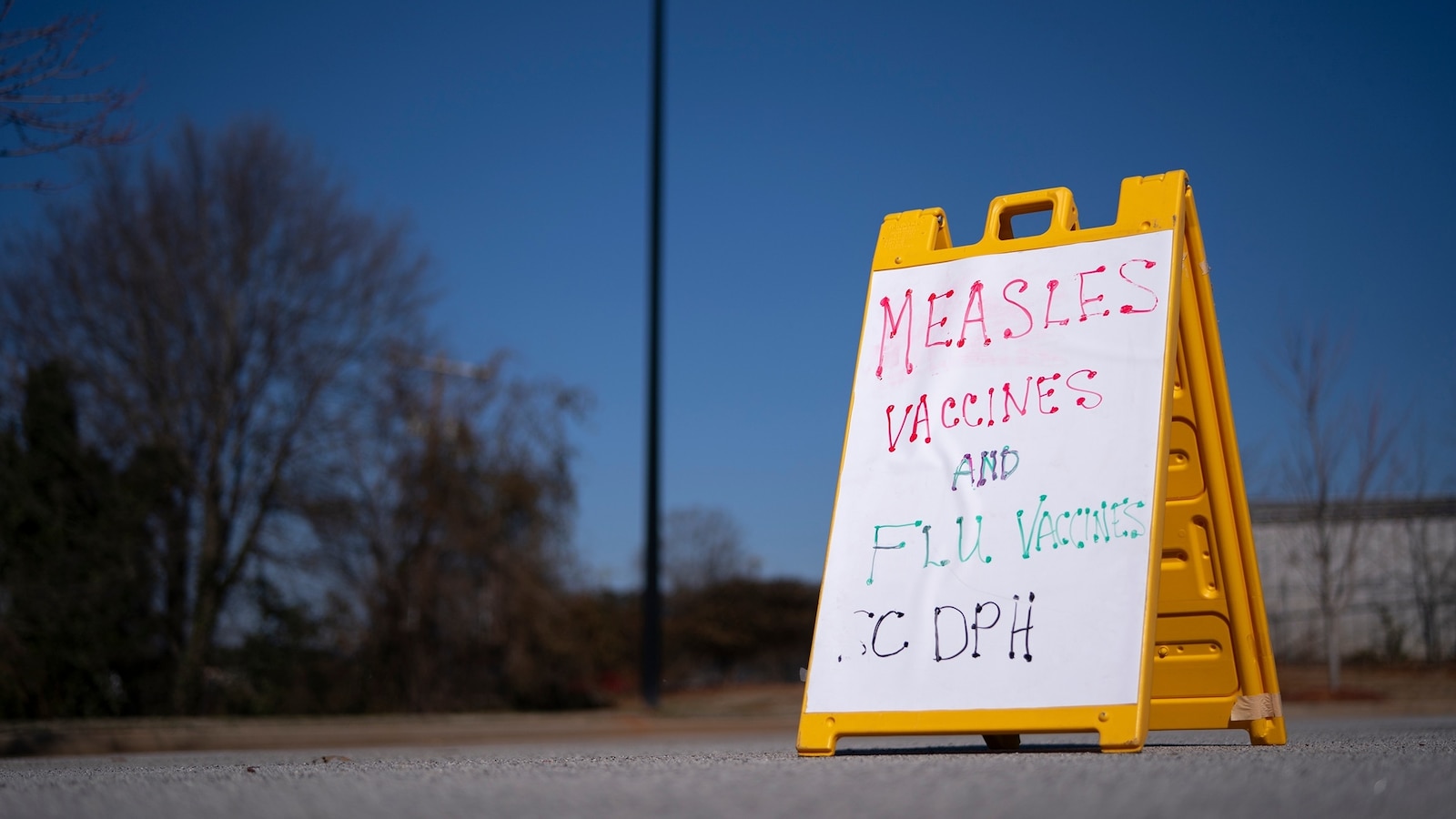
Bhattacharya tied the recommendation to results he says he has already seen. He said that while serving as acting director of the Centers for Disease Control and Prevention in February he recommended vaccination during a measles outbreak in South Carolina, and credited that messaging with helping end it. He said the agency has also worked outbreaks in Texas, Arizona, Utah, Virginia and Pennsylvania — a list that describes a disease the United States declared eliminated in 2000 and is now chasing across five more states.
He paired the vaccine message with a second one about schools. "But it is even more important that these kids go to school," Bhattacharya said, arguing that the answer to outbreak risk is protection rather than exclusion. "You vaccinate your kids, you can protect your kids from those risks." The framing is characteristic of Bhattacharya, a Stanford health economist who became nationally known as a co-author of the Great Barrington Declaration, the 2020 statement opposing broad pandemic lockdowns in favor of shielding the vulnerable.
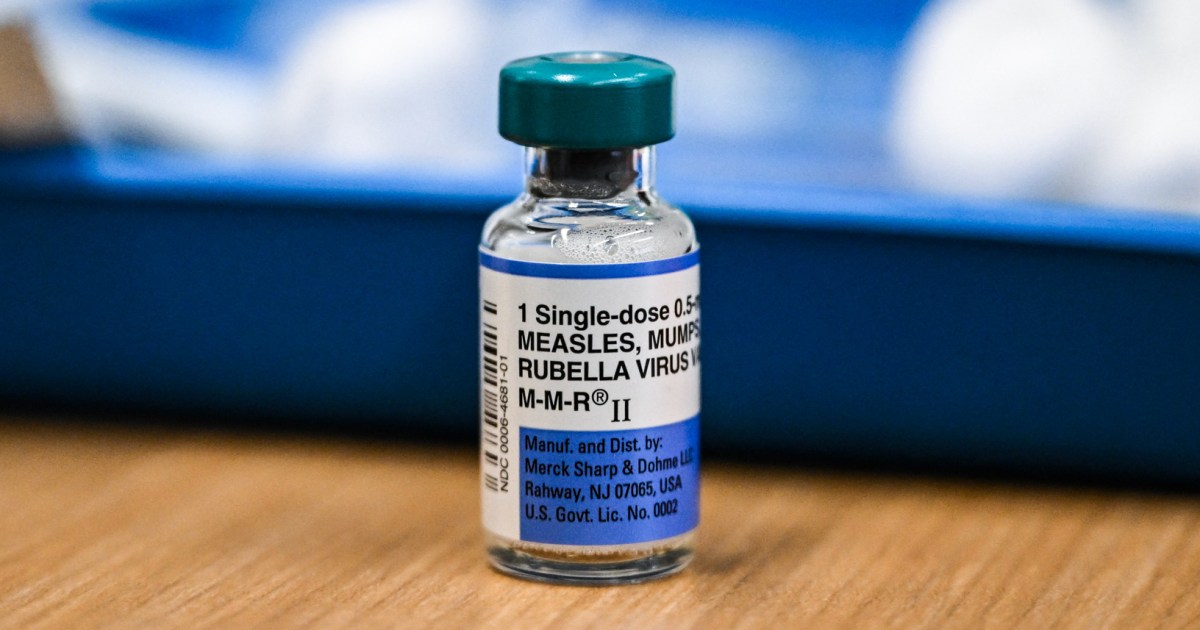
On measles specifically he left no room for interpretation: "The best way to protect your kids from measles is to get the vaccine for measles." And on the general question of whether parents should follow the schedule: "I think if you want to protect your kids from these sort of preventable diseases, yes, you should vaccinate your kids."
The interview arrives as public health officials track falling kindergarten vaccination coverage in a growing number of states, the mechanism by which measles — among the most contagious diseases known, with one case capable of infecting a dozen or more susceptible people — regains a foothold. Herd protection for measles requires roughly 95% coverage, a threshold an increasing number of counties no longer clear.
What Bhattacharya did not do was criticize his boss, and he was not asked to referee the department's internal disagreements. He was asked what he tells parents. He told them to vaccinate their children, said he had done it himself, and moved on.