RFK Jr. Gave the Keynote at Children's Health Defense, the Anti-Vaccine Group He Once Chaired, and Told the Crowd 'You Have a Strong and Steadfast Friend in the White House.' Andrew Wakefield Followed Him Onstage. It Is the Worst Measles Year Since 1991.
'We've accomplished in 19 months things that would have seemed unthinkable two years ago,' Kennedy said, citing the cut-down childhood schedule and the remade vaccine advisory panel, both of which a judge has since halted. Gov. Josh Shapiro said he 'couldn't bring himself' to tell people to get the measles shot.
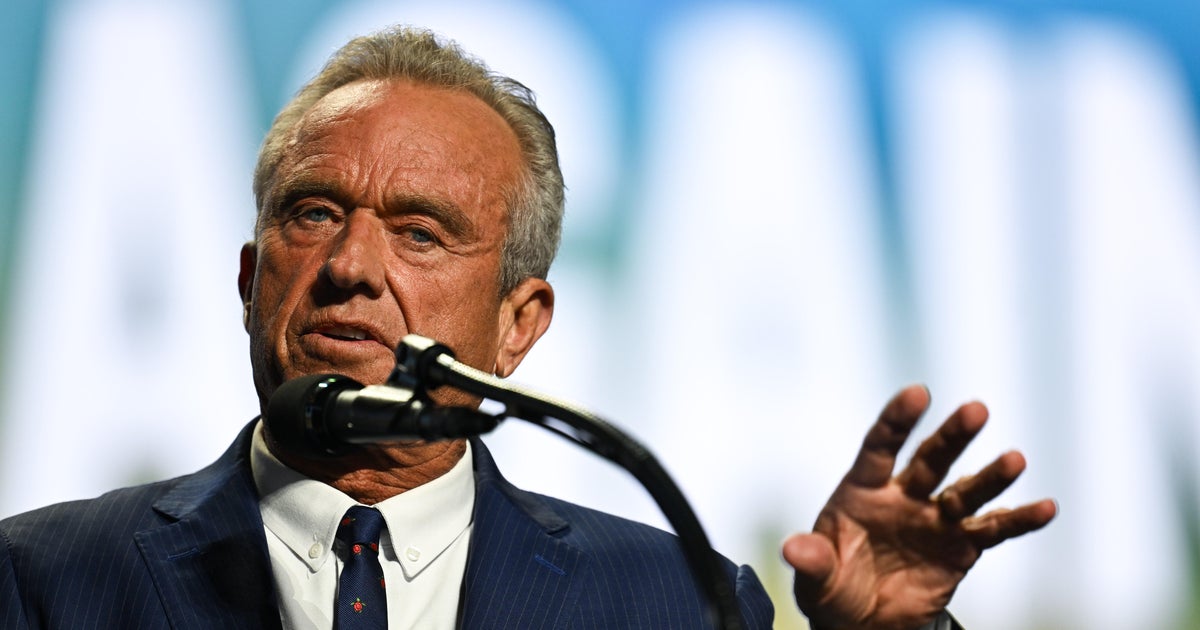
Health and Human Services Secretary Robert F. Kennedy Jr. delivered the keynote address Thursday at the annual conference of Children's Health Defense, the anti-vaccine advocacy group he chaired for years, and told the hundreds of activists in the room that the federal government is now on their side. "Let me be clear: You have a strong and steadfast friend in the White House," Kennedy said. "We've accomplished in 19 months things that would have seemed unthinkable two years ago."
It was Kennedy's first appearance at the group's conference since he became secretary. He took leave from Children's Health Defense when he launched his presidential bid in 2023, after serving as its chief legal counsel and building it into the country's most prominent vaccine-skeptic organization. Thursday's speech played as a homecoming. HHS promoted it on the department's official social media channels. Mary Holland, the group's CEO, called the secretary "Bobby" from the stage and said Children's Health Defense has "gratitude beyond words" to him for "recognizing there are real consequential issues around childhood vaccinations."
Kennedy used the address to tick through the administration's record: the move to shrink the childhood vaccination schedule, the overhaul of the CDC's key vaccine advisory committee, and President Trump's executive order last month calling for the measles, mumps and rubella vaccine to be spaced out, against the recommendations of every major medical group. The first two of those steps have since been halted by a federal judge. "We have not taken vaccines away from anybody. We have preserved access," Kennedy said. "But we have started asking the questions that you and millions of American parents have been asking for years."
The speech was laced with questions about long-established vaccine safety, and the lineup underscored the point. Following Kennedy onstage was Andrew Wakefield, the author of the retracted 1998 study that claimed a link between the MMR vaccine and autism. That paper was withdrawn by The Lancet and Wakefield lost his British medical license, and decades of research since have found no connection between vaccines and autism. The claim nonetheless remains the founding document of the movement Kennedy addressed.
The context is a measles year the United States has not seen in a generation. The country is in its worst year for the disease since 1991, with seven measles-associated deaths reported over the past two years, more than the combined total of the previous three decades. Pennsylvania alone has reported four deaths this year, none of them vaccinated, and is locked in a public fight with HHS over whether the CDC will even count them after Kennedy ordered deaths removed from the national tally.
Pennsylvania Gov. Josh Shapiro, who has been feuding with Kennedy since the state's first two deaths were announced last month, attacked the appearance on X. Kennedy "chose to spend his time today addressing the premier vaccine-denial conference in America," Shapiro wrote, when he should have been urging people to get the measles shot, "yet he couldn't bring himself to do it. Instead, he pushed a narrative that continues to stoke fear and mistrust." The White House did not respond to a request for comment.
The speech also marks a pivot. Earlier this year the White House and HHS appeared to be steering away from vaccines and toward a less contentious healthy-food agenda ahead of the November midterms. Trump's MMR order and now Kennedy's return to the Children's Health Defense stage suggest that calculation has changed. Critics, including many of the country's top medical associations, say the moves are eroding public trust that never fully recovered after the pandemic, and the polling on confidence in federal health agencies keeps sliding. Kennedy's answer Thursday was that the erosion is the point: the questions his old organization spent years asking are now being asked from inside the building.
Originally reported by CBS News.