The U.S. Has Logged 2,318 Measles Cases This Year — the Most Since 1991, With Five Months Still to Go
The 2026 total has already passed last year's, and 93% of the infections are in people who were never vaccinated. Officials expect the country to lose its measles elimination status this year.
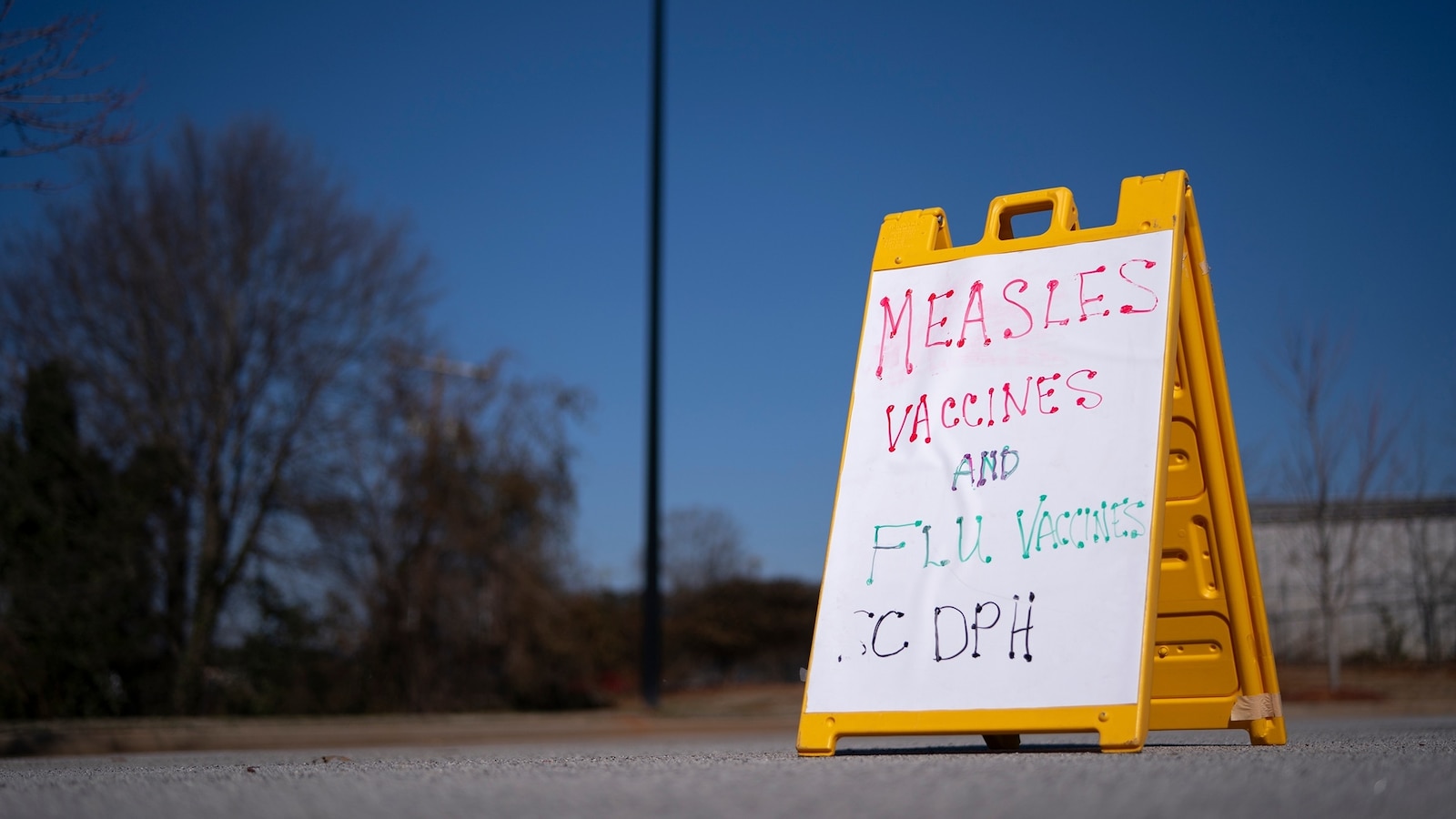
The United States has recorded 2,318 confirmed measles cases in the first seven months of 2026, the highest annual count since 1991 and already more than the 2,289 cases logged in all of last year, according to Centers for Disease Control and Prevention data.
Cases have been confirmed in 43 states and the District of Columbia. The largest active clusters are in South Carolina, with roughly 670 cases, followed by Utah with 522, Texas with 188, Virginia with 176, Florida with 141 and Pennsylvania with 134. Sixteen cases involved international visitors. Most of the people infected are children and teenagers 19 and younger.
Ninety-three percent of the confirmed cases this year are in people who were unvaccinated or whose vaccination status is unknown — the same proportion as in 2025. Three percent had received one dose of the measles, mumps and rubella vaccine and four percent had received both recommended doses. A single MMR dose is about 93 percent effective at preventing infection; two doses raise that to about 97 percent. About one in ten infected children under age 5 has required hospitalization.
"Crossing this threshold is a tragic reminder that measles has made an alarming comeback," said Dr. Richard Besser, the former acting director of the CDC, who called the situation "a profound moral failure on the part of national health leaders."
The numbers track a measurable slide in childhood immunization. Kindergarten MMR coverage fell to 92.5 percent in the 2024-2025 school year, down from 95.2 percent before the pandemic. Epidemiologists treat 95 percent as the working threshold for community protection because measles is extraordinarily contagious — a single infected person will typically infect nine out of ten susceptible people they are around. When vaccination rates dip, measles is almost always the first vaccine-preventable disease to return.
The immediate institutional consequence is the loss of the country's elimination status. The United States was declared measles-free in 2000, meaning the virus was no longer continuously circulating within its borders. Sustained transmission over the last two years has put that designation in jeopardy, and officials with the Pan American Health Organization are expected to strip it when they review U.S. transmission data later this year. Losing the status does not change how outbreaks are fought, but it formally moves the U.S. back into the category of countries where measles is endemic.
Public health specialists point to a stack of causes: falling vaccination rates, a generation of parents who have never seen a measles case and therefore do not fear one, eroding trust in health institutions, and mixed messaging from senior federal officials on the value of the MMR vaccine.
Originally reported by ABC News.