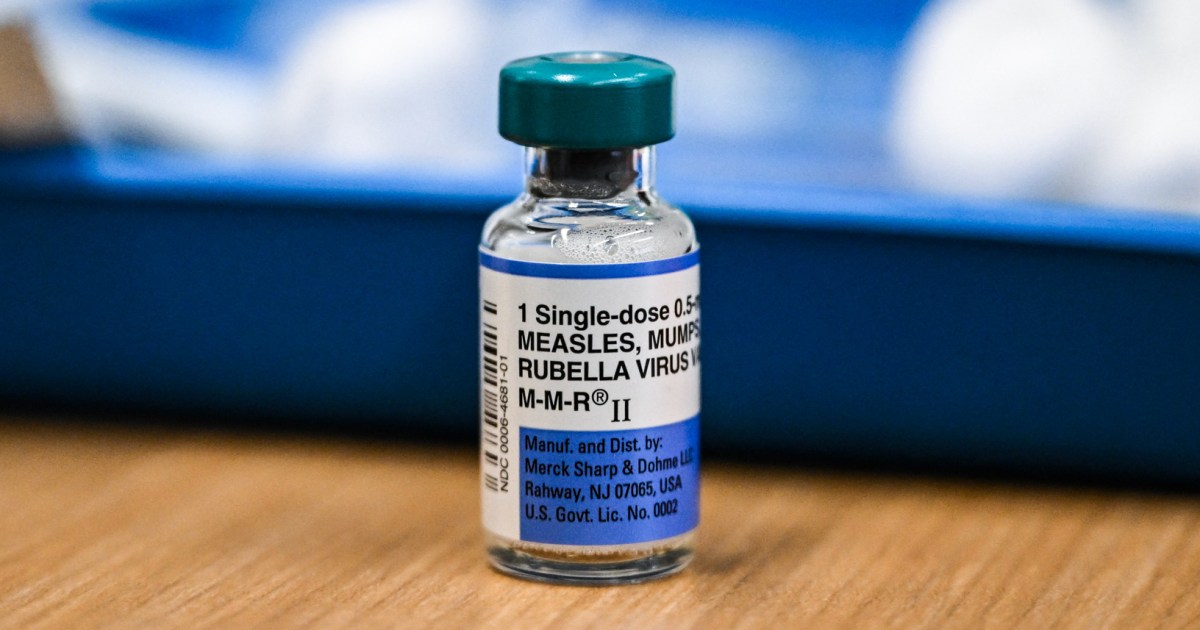
U.S. Measles Cases Hit 1,893 — Highest in 33 Years — Putting Country on Track to Lose Elimination Status This Fall
Three deaths and 27 active outbreaks, with Idaho and Montana now showing sustained transmission for more than 12 months — the WHO's threshold for revoking elimination.
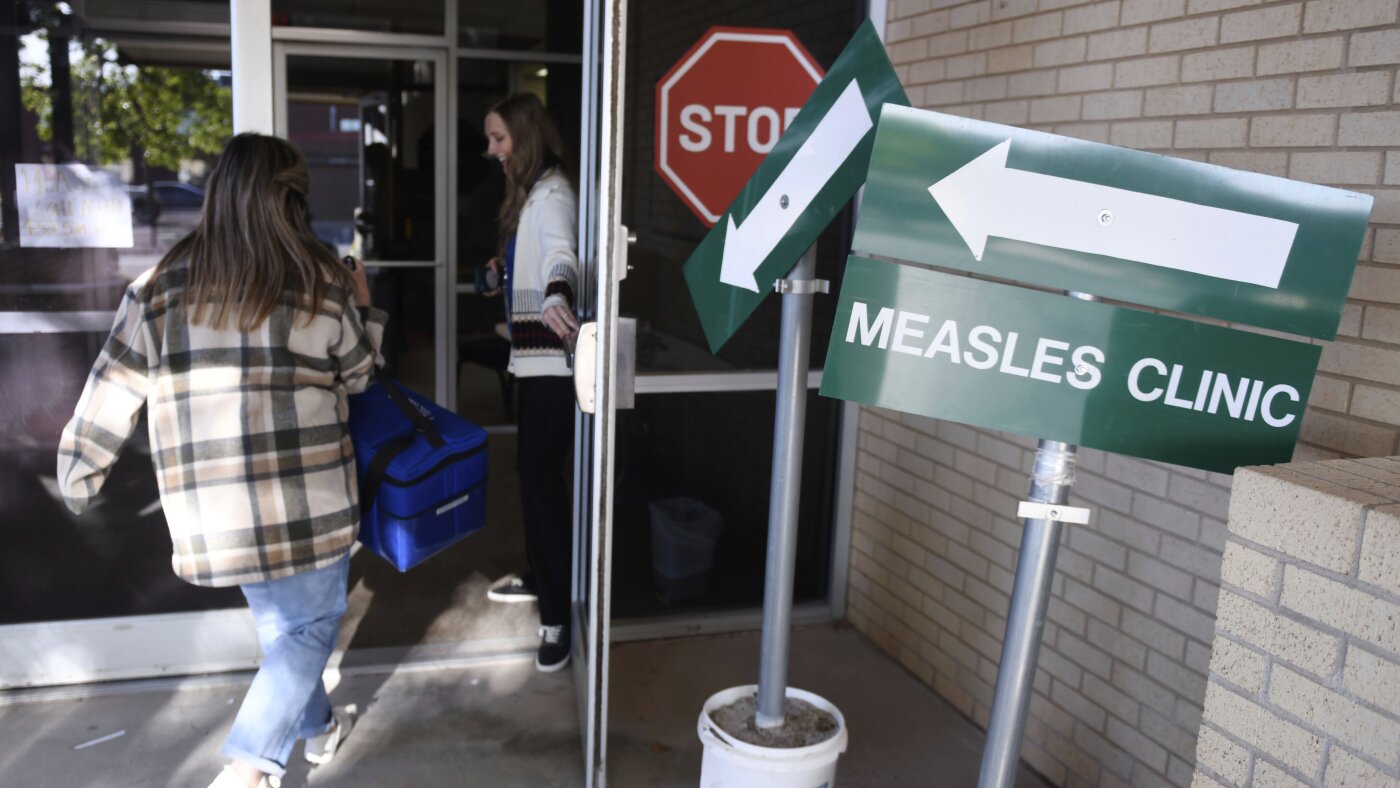
U.S. measles cases have reached 1,893 confirmed infections this year, the highest annual count in more than three decades and a level that public-health officials say all but guarantees the United States will lose its prized "measles elimination" status when the World Health Organization reviews the designation this fall.
The CDC's measles dashboard, updated through May 14, 2026, shows 27 distinct outbreaks reported across 40 states and territories, with 93% of cases — 1,761 of 1,893 — tied to an identified outbreak rather than an imported single case. Texas, which logged the largest U.S. outbreak in a generation last year, has so far reported 93 cases in 2026, but the epicenter of the current surge has shifted to communities in the Mountain West and northern Plains, where pockets of unvaccinated families and resistance to school-entry immunization requirements have allowed the virus to circulate uninterrupted for more than 12 months. CDC officials confirmed last week that two genotype B3 chains in Idaho and Montana have now been transmitting continuously for over a year — a key criterion the WHO uses to revoke elimination status.
"This is the result we have been warning about for years," said Dr. William Schaffner, an infectious disease specialist at Vanderbilt University Medical Center. "Once you fall below the threshold for herd immunity, the virus will find every unprotected child in the community, and measles is so contagious that it spreads through schools, churches and grocery stores before public health can even catch up." The CDC estimates national MMR coverage among kindergarteners has slipped to 91.4%, well below the 95% threshold needed to block sustained transmission.
The political backdrop has made the federal response unusually fraught. Health and Human Services Secretary Robert F. Kennedy Jr. has been criticized by pediatricians for what they describe as tepid endorsements of MMR vaccination paired with frequent on-camera musings about supposed risks. In a televised town hall last month, Kennedy stopped short of unequivocally telling parents to vaccinate, instead repeating that the decision was "a personal medical choice between a family and their doctor." The CDC, which traditionally leads measles outbreak communications, has issued just two formal press releases on the 2026 surge — down from at least nine during the comparable 2019 outbreak under the first Trump administration.
Three confirmed deaths have been reported so far this year — two unvaccinated children in Idaho, both under age 10, and an immunocompromised adult in West Virginia who contracted the virus during a hospital visit. Hospitalization rates are running near 20% of confirmed cases, and at least 41 children have required ICU-level care. "The optics of losing elimination status would be embarrassing for the United States, but the real story is the children," said Dr. Yvonne Maldonado, who chairs the American Academy of Pediatrics' committee on infectious diseases. "Every one of these hospitalizations was preventable."
State health officers in several outbreak hotspots are now openly discussing emergency steps that have not been used in decades — including school exclusion orders for unvaccinated students even in districts where philosophical exemptions are permitted by law. The Idaho Department of Health and Welfare and the Montana Department of Public Health and Human Services have both quietly stockpiled additional MMR doses in advance of the summer county-fair season, when officials fear that gatherings of unvaccinated rural families could ignite a new wave of cases. Without significant intervention, modelers at the Johns Hopkins International Vaccine Access Center project that 2026 will end with more than 3,500 measles cases nationwide, eclipsing 1992 as the worst year for the disease since the U.S. eliminated endemic transmission in 2000.