A 40-Year-Old Woman Died of Measles in Jefferson County, Pennsylvania. She Was Unvaccinated, and She Is the State's Third Death This Year.
Pennsylvania has logged 676 cases across 37 counties, and fewer than 1% of the patients were fully vaccinated. Nationally, the U.S. has passed 3,000 cases in its worst measles year since 1991.
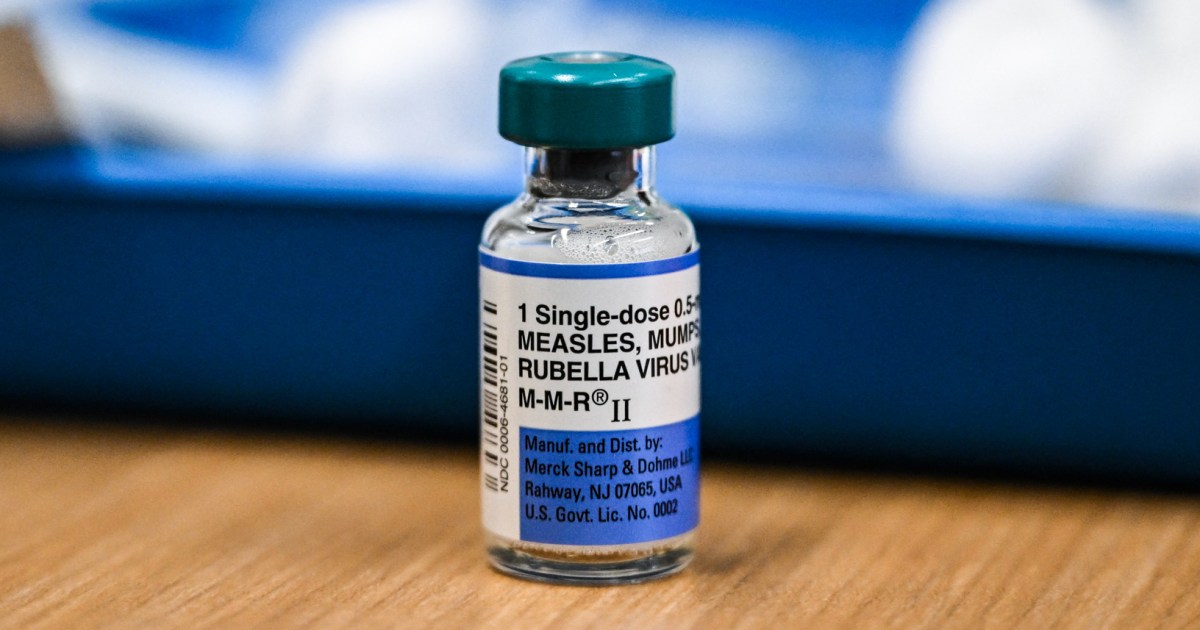
A 40-year-old woman in Jefferson County, Pennsylvania, died Saturday of complications from measles, the county coroner said, making her the third person to die in the state's outbreak this year and the first adult. The two earlier deaths were infants in Lancaster County, the center of the outbreak. Officials did not release her name.
"This is a heartbreaking loss for the family and an unfortunate reminder that measles can be a serious and potentially life-threatening disease," Jefferson County Coroner Greg Furlong said in a statement Sunday. Furlong confirmed the woman had not been vaccinated against measles. Chief Deputy Coroner Jason Stiver said that severe illness from measles is uncommon in adults but that the case should change how people think about the disease. "Many people associate measles with a childhood illness, but it can lead to severe complications in individuals of any age," he said. "Measles is highly contagious and can result in serious respiratory illness, hospitalization, and in rare cases like this, death."
The Pennsylvania Department of Health said it was conducting a thorough review of the death and would release more information as it became available. As of Friday, the state's public dashboard listed at least 676 confirmed measles cases in 37 counties this year, with 124 people hospitalized. Fewer than 1% of the patients were fully vaccinated. The department said it administered more than 3,500 doses of the measles, mumps and rubella vaccine in August and close to 1,000 more in the first days of September, as it tries to close gaps in coverage in communities where the virus is spreading.
Jefferson County sits in the rural west-central part of the state, about 80 miles northeast of Pittsburgh, far from the Lancaster County communities where the outbreak began. Its spread there is one more sign that the virus has moved well beyond the tight-knit, under-vaccinated pockets where large U.S. outbreaks have usually stayed contained. Pennsylvania's count now rivals the 2025 West Texas outbreak that first pushed national numbers to levels not seen in a generation.
Nationally, the United States has recorded more than 3,000 confirmed measles cases this year, the most since 1991 and well above the 2,318 the Centers for Disease Control and Prevention had counted by early August. The country was declared to have eliminated measles in 2000, a status that depends on no single chain of transmission lasting more than 12 months. Sustained spread at this scale puts that designation at risk.
Measles begins with a high fever, cough, runny nose and red, watery eyes, followed several days later by a rash that typically starts on the face and spreads down the body. The virus lingers in the air for up to two hours after an infected person leaves a room, and about nine in ten unvaccinated people who are exposed will catch it. Roughly one in five unvaccinated patients is hospitalized. Complications include pneumonia, which is the most common cause of measles deaths in children, and encephalitis, a swelling of the brain that can leave permanent damage. Two doses of the MMR vaccine are about 97% effective at preventing the disease.
"This tragedy highlights that measles should not be taken lightly," Stiver said. "Public health measures, early recognition of symptoms, and consultation with healthcare providers are important tools in protecting our community." State health officials urged anyone who is unsure of their vaccination status to check with a doctor, and said that people who develop symptoms after a known exposure should call ahead before going to a clinic or emergency room, so that staff can keep them away from other patients.
Originally reported by NBC News.