RFK Jr. Advises All Children Get Measles Vaccine Despite Personal Opposition
Health secretary distances himself from anti-vaccine stance while testifying before Congress, speaking on behalf of his department rather than personal beliefs.

Health and Human Services Secretary Robert F. Kennedy Jr. told Congress on Tuesday that his department recommends all children receive the measles vaccine, marking a significant departure from his long-standing criticism of childhood immunizations. During four days of congressional testimony, Kennedy sought to balance his role as a Trump administration official with his previous advocacy for the "Make America Healthy Again" movement that has questioned vaccine safety.
Kennedy's testimony revealed the delicate political position he occupies within the Trump administration. While maintaining his personal skepticism about certain vaccines, he repeatedly emphasized that he was speaking on behalf of his department rather than expressing his own views. "I want to be clear that the Department of Health and Human Services advises all children to receive the measles vaccination," Kennedy stated during his appearance before the House Health Subcommittee.
The health secretary's congressional appearances have been marked by what observers describe as a combative yet occasionally contrite tone. Kennedy has faced intense questioning from both Democratic and Republican lawmakers about his previous statements linking vaccines to autism and other health conditions. Scientific consensus overwhelmingly supports the safety and efficacy of childhood vaccines, including the measles shot.
Kennedy's evolving stance on vaccines represents a broader challenge for the Trump administration as it seeks to implement health policies that satisfy both mainstream medical recommendations and the concerns of vaccine-skeptical voters who supported Trump's campaign. The measles vaccine has long been considered one of the most successful public health interventions, virtually eliminating a disease that once killed hundreds of children annually in the United States.
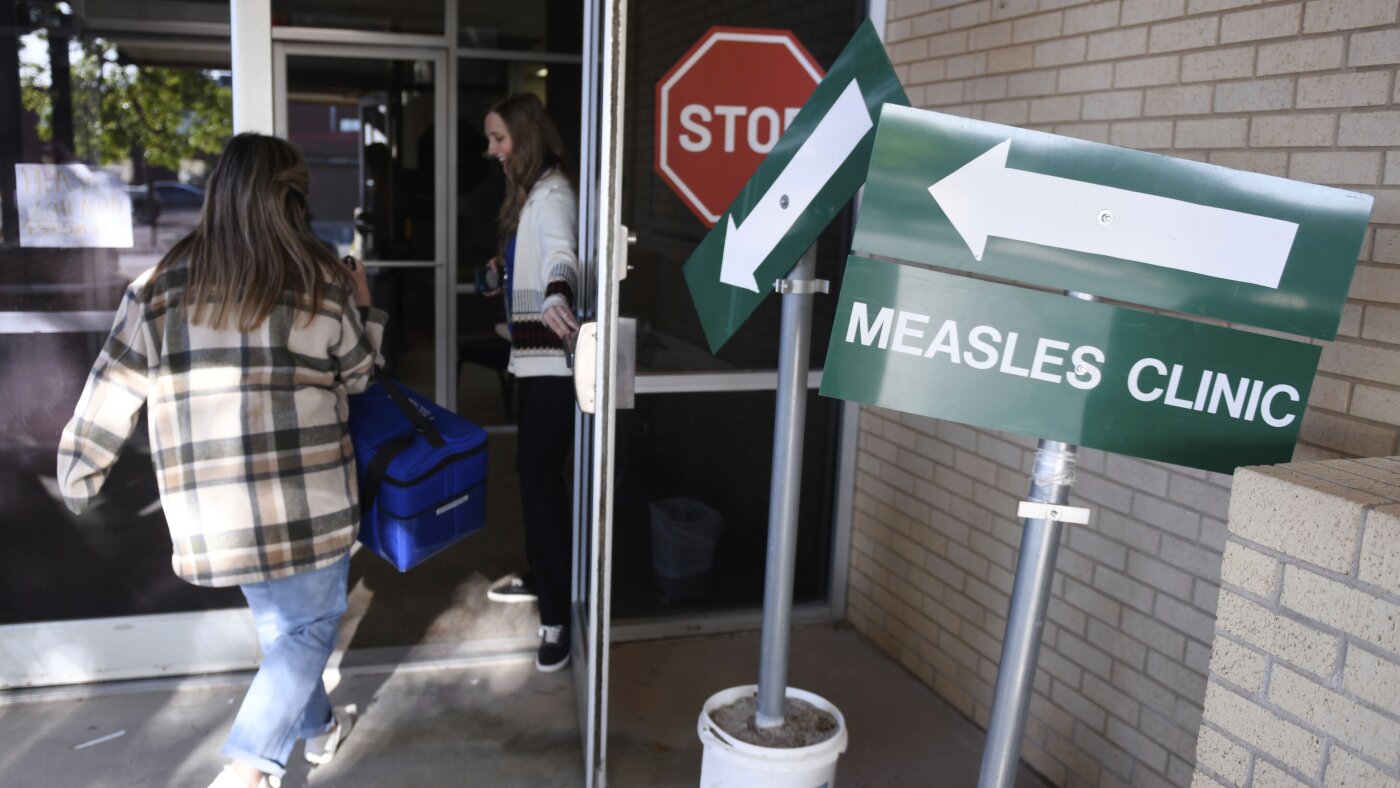
The secretary's testimony comes at a critical time as measles outbreaks have resurged in various parts of the country, largely attributed to declining vaccination rates. Public health experts have expressed concern that Kennedy's appointment could further erode confidence in childhood immunizations, potentially leading to more preventable disease outbreaks. His careful distinction between departmental policy and personal beliefs suggests an attempt to maintain scientific credibility while preserving his political base.