The House Voted 370-48 to Keep the Government Open. The Next Shutdown Fight Now Lands After the Midterms
The stopgap holds agencies at current spending levels through Dec. 11 and heads to President Trump's desk. Nineteen Republicans and 29 Democrats voted against it.
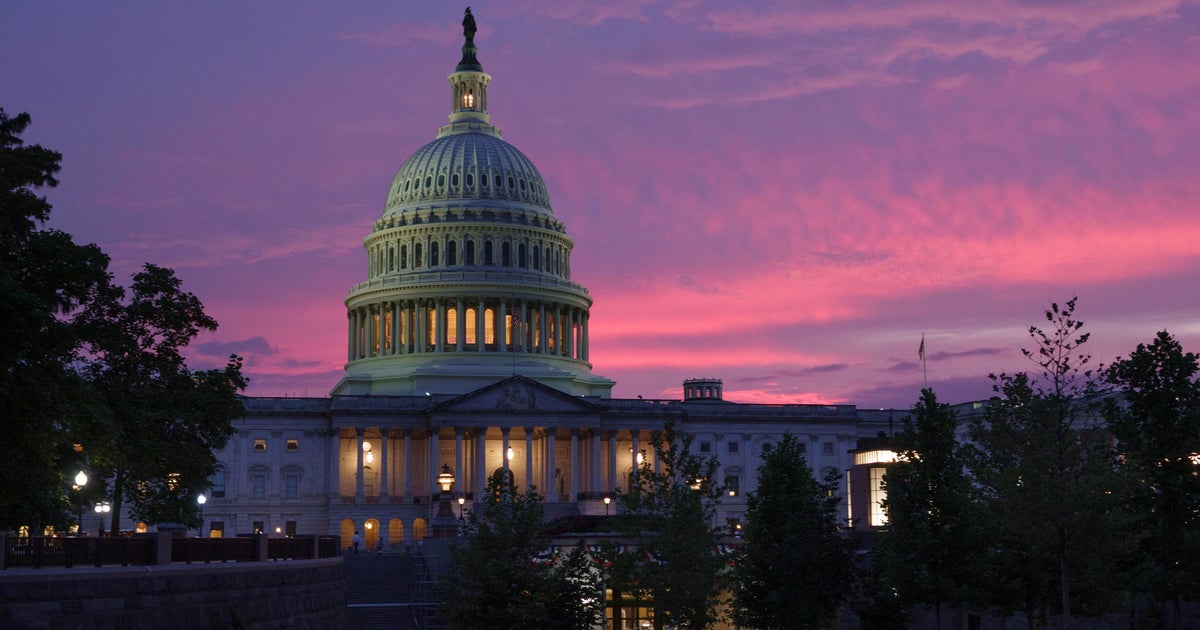
The House voted 370-48 on Monday to send a short-term government funding bill to President Donald Trump's desk, ending a shutdown threat that had been building for most of August and pushing the next spending confrontation to Dec. 11 — comfortably past the November midterm elections.
The continuing resolution holds every federal agency at existing spending levels. It does not settle a single one of the twelve annual appropriations bills, resolve the fight over the administration's impoundment of already-appropriated funds, or address the health care subsidy dispute that Democratic leaders had threatened to make a condition of their votes. It simply moves the deadline.
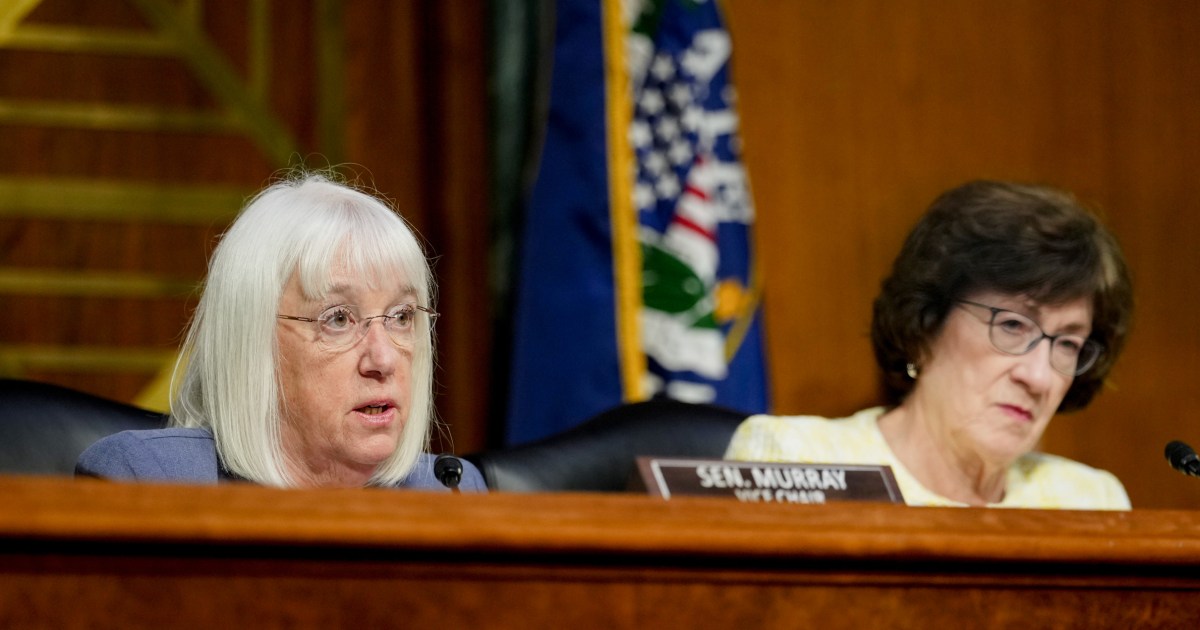
The framework came out of the Senate Appropriations Committee, where Chairwoman Susan Collins of Maine and ranking Democrat Patty Murray of Washington negotiated a clean extension that both leaderships could carry to their conferences. The Senate cleared it first. In the House, the coalition that passed it was bipartisan in the most literal sense: opposition came from both flanks, with 19 Republicans and 29 Democrats voting no.
The Republican holdouts spent the final week threatening to withhold their votes as leverage against leadership's broader agenda, arguing that another flat-funded stopgap locks in spending levels the conference has repeatedly voted to cut. Democratic opponents made the mirror-image argument — that voting for a clean extension surrenders the party's only real point of leverage before the election without extracting anything in return.
Both leaderships wanted the same outcome for the same unstated reason. A shutdown that began in September would have run straight into early voting in a cycle where control of both chambers is genuinely in play, and neither party's internal polling suggested it would win the blame contest. Pushing the deadline to Dec. 11 hands the fight to whichever side emerges from the midterms with a stronger claim to a mandate, and does it during the compressed weeks before the holidays, when the pressure to pass something — anything — is at its highest.
That is also the risk. Lawmakers now face a December in which twelve unfinished appropriations bills, a lame-duck calendar, and a freshly reshuffled political map all collide at once. Appropriators in both parties have warned for months that serial short-term extensions are corrosive to the agencies living under them, forcing the Pentagon and civilian departments alike to run new-year programs on last-year's numbers. Monday's vote does nothing about that. It buys 101 days.