The Senate Voted 90-6 to Fund the Government Into December. The House Already Passed Something Else
Senators cleared a bipartisan stopgap through Dec. 11 before leaving for a five-week recess, but the House passed its own partisan version — and one grant-rule provision could cost Republican votes.
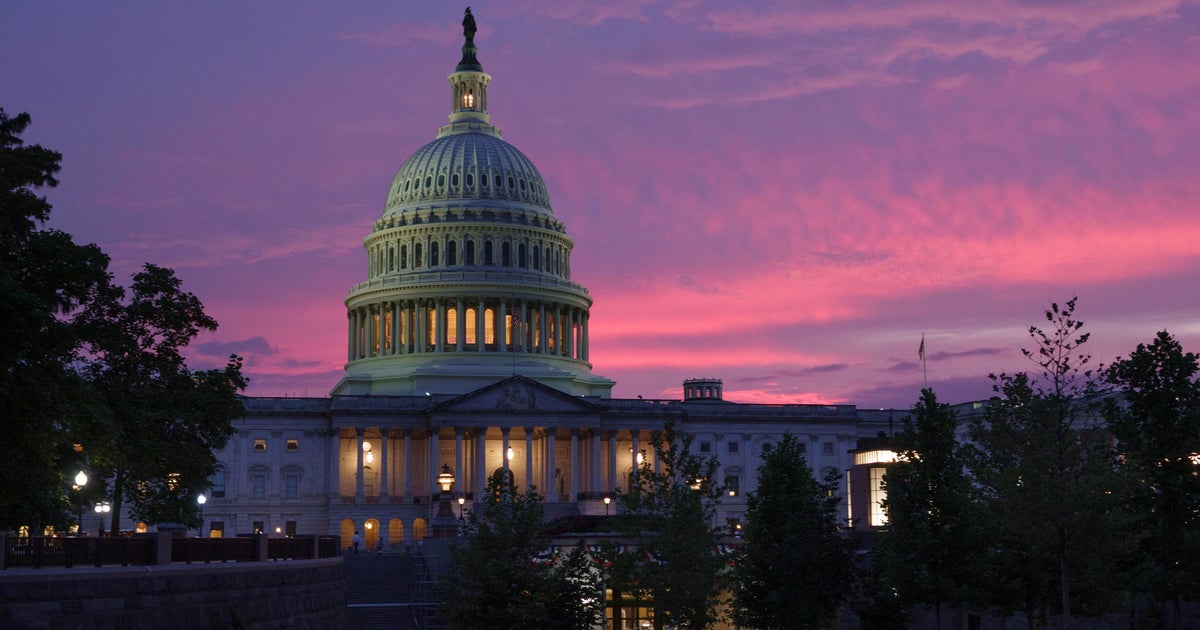
The Senate approved a continuing resolution on Saturday to keep the federal government funded through Dec. 11, passing it 90 to 6 and sending it to a House that has already passed a different bill. The measure holds spending at current levels, with some exceptions, for roughly six weeks past the Sept. 30 end of the fiscal year — pushing the next shutdown fight past the fall midterm elections.
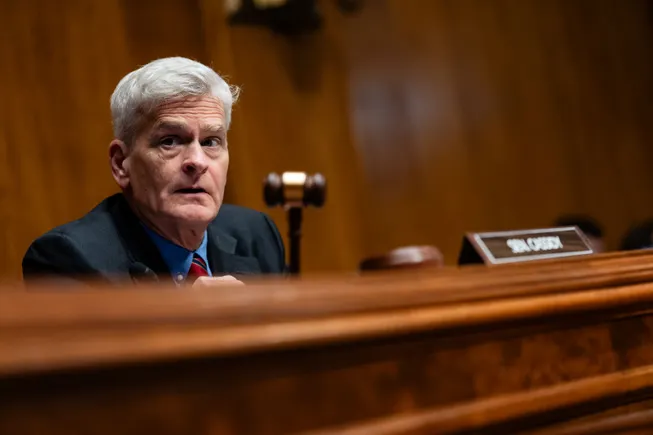
The lopsided margin was the point. Because most legislation in the Senate needs 60 votes to advance, Republican leaders never had the option of a party-line stopgap and negotiated one that Democrats could sign. Top Republican and Democratic appropriators announced their agreement on Sunday. Sen. Susan Collins of Maine, the Republican who chairs the Appropriations Committee, praised the result for avoiding "any poison pills." Democrats had pressed for additional provisions that could have sunk it.
Democrats did extract one concrete win: language closing a loophole that had allowed the administration to transfer funds to Border Patrol. That fight dates to earlier this year, when Democrats refused to fund immigration enforcement agencies and the administration moved money around instead. Closing the loophole was among the provisions Democratic negotiators highlighted after the deal was struck.
The House is the problem. Before leaving for its August recess, the chamber passed its own continuing resolution funding the government into December, but it moved on Republican votes over widespread Democratic opposition. Now the Senate has handed Speaker Mike Johnson a bipartisan alternative that could pass his chamber — with Democratic help — if he brings it up. Whether pressure from his own conference pushes him toward a different course is the open question when the House returns Aug. 31, leaving only a few weeks before the deadline.
One provision in the Senate bill could cause trouble on the Republican side. It temporarily blocks political appointees in the administration from implementing a proposed rule governing federal grants. Democrats have warned the rule would let the administration cancel grants and "take even more federal funding hostage," and they wanted it banned permanently. Even the temporary version may cost Republican votes in the House, where the executive-power question cuts differently than it does in the Senate.
Working in favor of passage is exhaustion. Congress has been through two record-breaking government shutdowns in the last 12 months, and by every available signal the appetite for a third is close to zero. With the midterms approaching and both parties calculating that a funding lapse would hurt more than it helps, the shared instinct is to push the fight to December and campaign in the meantime.
The stopgap was one of several items the Senate cleared as it raced toward its five-week August recess, a stretch that also included confirming Todd Blanche as attorney general. Senators leave town with the funding question technically unresolved but structurally close to settled: the votes exist, the text exists, and the only real variable is whether the Speaker of the House decides to use them.