Trump Told Russ Vought to Draft an Executive Order Creating a Board That Could Veto Any of the NIH's $48 Billion in Research Grants That Don't Fit His Agenda. It Came Out of an Oval Office Meeting Friday So Contentious That Vought Had Previously Refused to Meet NIH Director Jay Bhattacharya at All.
Vought accused Bhattacharya of funding 'woke' projects and tried to claw back unspent money; the NIH says 'all NIH grant monies will be spent.' Congress blocked a similar OMB rule earlier this year, and the ACLU sued last week over the agency's existing screening list.
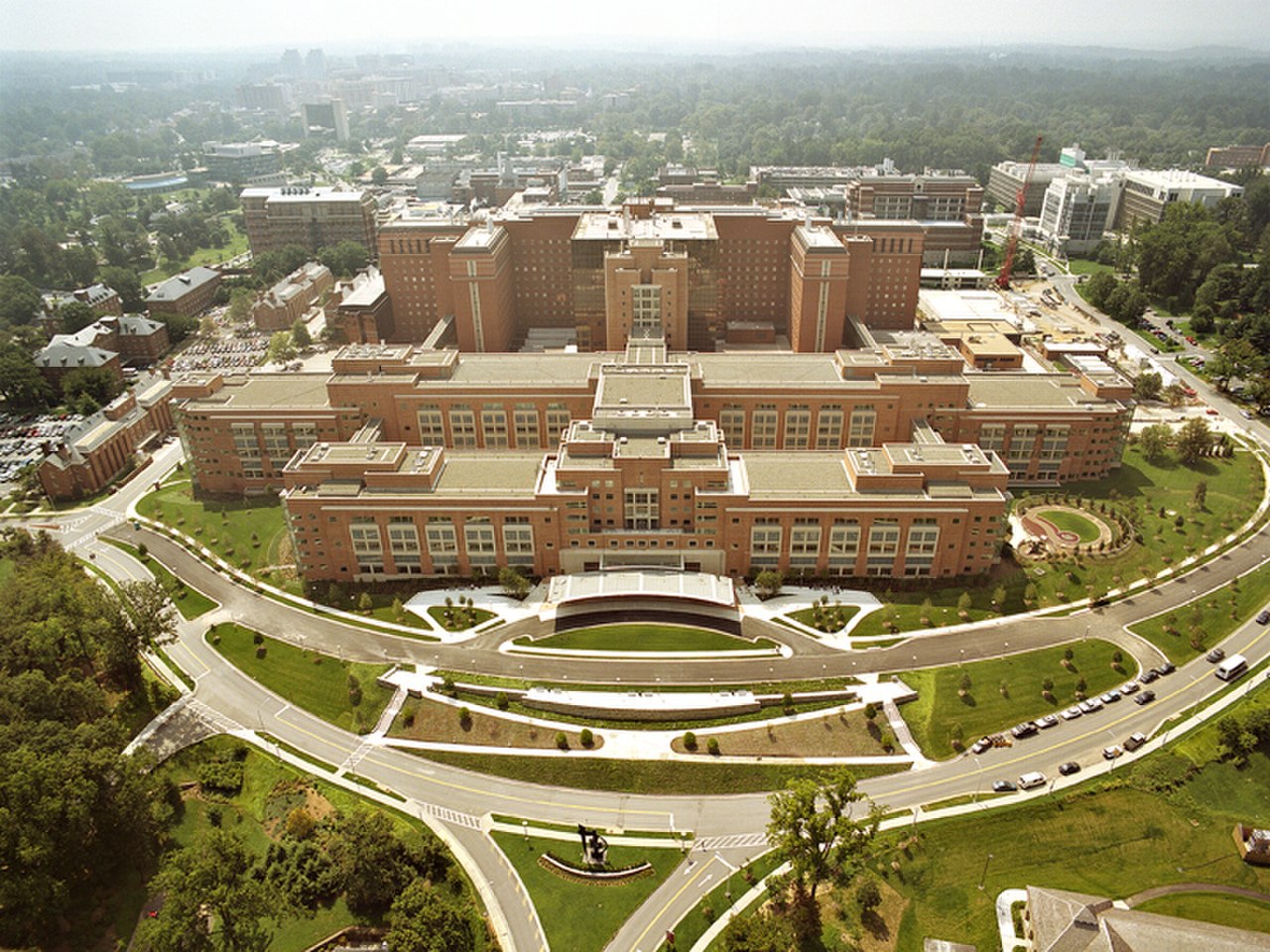
The White House has begun drafting an executive order that would create a new committee with the power to veto grants from the National Institutes of Health that do not conform to President Donald Trump's political agenda, a move that would hand political appointees a final say over the largest funder of biomedical research in the world.
The directive was discussed at a highly contentious Oval Office meeting on Friday, first reported by The Washington Post. According to Politico, which cited two administration officials, Trump told Office of Management and Budget Director Russell Vought during the session to draft the order. The board it would create would include Vought and NIH Director Jay Bhattacharya, and decisions about grants would have to be unanimous, meaning either man could block an award.
The NIH distributes most of its roughly $48 billion budget to universities and laboratories across the country for research into heart disease, cancer, infectious disease and thousands of other subjects. Traditionally, grants are chosen through peer review by outside scientists, followed by advisory council recommendations and a final decision by institute directors. Trump has spent much of his second term trying to bring that process under political review, arguing the government has been funding "woke" liberal priorities.
Friday's meeting brought to a head months of conflict between Vought, who wants tighter political control over NIH awards and less research spending overall, and Bhattacharya, who has resisted, according to people close to the director. Their relationship had grown so strained that Vought had refused to meet with Bhattacharya at all. In the session, Vought accused the director of funding projects that conflict with administration priorities, including research touching on diversity and equity, and pressed for access to current-year funds that have not yet been spent. He did not get them.
"NIH remains committed to its mission of funding biomedical research to benefit the health of the American people," agency spokesperson Joshua Pradko said in a text message, declining to discuss the meeting. Referring to reports that Vought wants to rescind NIH funding, Pradko added, "There will be no rescissions to NIH grant monies. All NIH grant monies will be spent." OMB officials declined to comment.
Bhattacharya, a Stanford health economist before taking the job, has himself backed canceling work he regards as low-quality or ideological, describing early terminations as targeting "politicized expressions of devotion to a particular ideology" rather than "good science." But he has also tried to preserve funding for research on health disparities, a field he worked in; a 2011 NIH-funded study he co-authored found Black heart transplant patients faced a higher risk of death than comparable white patients. In 2025, the NIH cut nearly $800 million in grants tied to LGBTQ and minority health.
The order would be the administration's latest attempt to route federal science through political screening. A proposed OMB rule earlier this year would have inserted political review into the entire federal grant-making process, calling for "ending government sponsorship of gender ideology and other radical doctrines." It drew bipartisan rebuke, and lawmakers blocked it. Congress also overruled Trump's proposal to cut biomedical research spending last year.
The move also lands in the middle of active litigation. Last week the American Civil Liberties Union filed a class action in federal court in California on behalf of 17 scientists, arguing the NIH's existing screening of grants against a list of flagged words is unconstitutional. "What the First Amendment does not allow is the government's use of its funding power to target or silence the expression of disfavored viewpoints within the biomedical research community," the complaint says. No timeline for the executive order has been announced.
Originally reported by The Philadelphia Inquirer.